






What Exactly Are Ceramides?
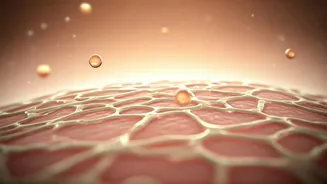
Think of your skin as a brick wall. The skin cells are the 'bricks,' and the lipids (fats) surrounding them are the 'mortar' that holds everything together. Ceramides are a crucial type of lipid that makes up about 50% of this mortar. They are naturally
produced by our skin and play a vital role in forming a protective layer, known as the skin barrier. This barrier has two main jobs: to keep moisture locked inside your skin and to keep harmful environmental aggressors—like pollution, bacteria, and irritants—out. Without enough ceramides, this mortar crumbles, leaving gaps in your skin's defence system. This leads to a compromised barrier, which is the root cause of many common skin woes.
Why Your Skin Barrier Is So Important
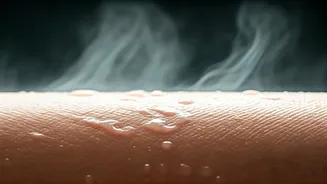
When your skin barrier is weak, it can’t effectively hold onto water, a condition known as transepidermal water loss (TEWL). The result is skin that feels dry, tight, flaky, and looks dull. A compromised barrier also means your skin is more vulnerable to irritation and sensitivity. Things that wouldn't normally bother your skin can suddenly cause redness, itching, and discomfort. Several factors can deplete your skin’s natural ceramide levels. Ageing is a primary one; as we get older, our bodies produce fewer ceramides. Environmental factors like harsh weather, over-exfoliation with strong acids or scrubs, using hot water, and certain soaps can also strip these essential lipids from your skin. This is why even people with oily skin can experience signs of a damaged barrier, such as dehydration and sensitivity.
How Ceramides Create That 'Glow'
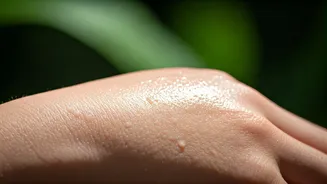
The promise of a 'glow' isn't just marketing hype; it's a direct result of a healthy, functioning skin barrier. When your skin is well-hydrated and its surface is smooth and intact, it reflects light more evenly, giving you that coveted radiant, dewy appearance. Ceramides deliver this by rebuilding your skin's mortar. When applied topically through skincare products, they help patch up the cracks in a compromised barrier. This reinforcement allows your skin to lock in moisture effectively, plumping up skin cells and smoothing out fine lines caused by dehydration. A strong barrier also means less inflammation and redness, leading to a more even and calm complexion. So, the 'glow' from ceramides isn't a superficial shine; it's the visible sign of deeply hydrated, resilient, and healthy skin.
Who Can Benefit From Using Ceramides?
The short answer? Almost everyone. Because ceramides are 'skin-identical'—meaning they are naturally part of our skin's structure—they are incredibly well-tolerated by virtually all skin types. They are particularly beneficial for a few key groups. If you have naturally dry or dehydrated skin, ceramides are a non-negotiable for restoring and maintaining moisture levels. For those with sensitive or irritation-prone skin, they help fortify the skin’s defences, making it less reactive. People with skin conditions like eczema or psoriasis, which are characterized by a severely impaired barrier, often find significant relief from ceramide-rich products. And as we age, replenishing lost ceramides becomes crucial for keeping skin supple and resilient against environmental damage.
How to Add Ceramides to Your Routine
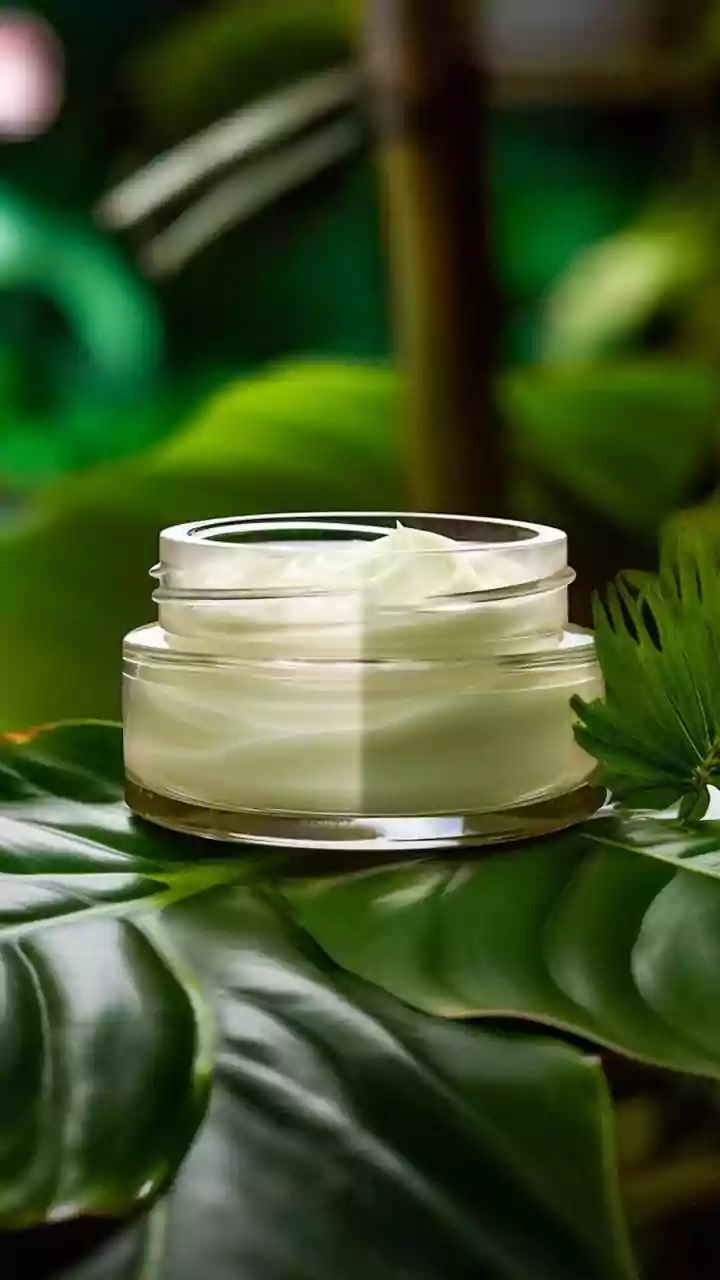
Incorporating ceramides into your skincare routine is simple. You'll find them most commonly in moisturisers, but they are also available in cleansers, serums, and even body lotions. When scanning an ingredients list, look for the word 'ceramide' followed by a number (like Ceramide 3) or a letter (Ceramide AP, EOP, NP). Some products may also list 'phytosphingosine' or 'sphingosine,' which are precursors that encourage your skin to produce its own ceramides. For best results, apply ceramide-rich products to damp skin to lock in hydration. They pair exceptionally well with other hydrating ingredients like hyaluronic acid, which draws moisture into the skin, and glycerin. Using ceramides alongside niacinamide can also be a powerful combination, as niacinamide has been shown to boost your skin's natural ceramide production.