







Embrace the Romance of Tea Gardens
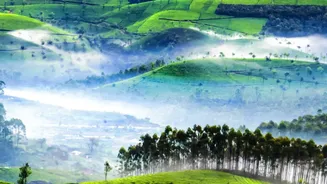
The monsoon is when Assam’s world-famous tea estates are at their most beautiful. Imagine endless rolling hills covered in a shimmering blanket of vibrant green, washed clean by the rain. The air is crisp and filled with the scent of wet earth and fresh
tea leaves. Many estates around Jorhat and Dibrugarh, the heart of India's tea country, offer tours and stays in heritage bungalows. You can walk through the misty gardens, watch skilled workers pluck the finest leaves, and learn about the journey from leaf to cup. The second flush, or summer harvest, which happens from May to June, produces some of the finest, most flavourful Assam tea. Sipping a cup of strong, malty chai while overlooking a rain-drenched plantation is an experience that soothes the soul.
Witness the Brahmaputra’s Mighty Flow
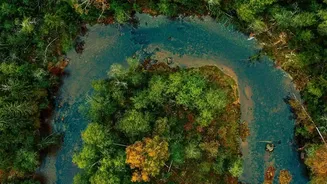
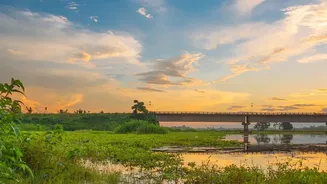
The lifeblood of Assam, the Brahmaputra River, swells with monsoon rains, showcasing its true power and majesty. While this can lead to flooding in some low-lying areas, it also creates breathtaking scenes. A river cruise from Guwahati offers a unique perspective of the landscape. You can see misty villages, fishermen navigating the strong currents, and a shoreline that is bursting with life. The Umananda Temple, located on a small island in the river, feels particularly mystical when surrounded by the grey monsoon skies and swirling waters. The riverfront in cities like Guwahati slows down, offering quiet moments to watch the river flow, listen to the rhythm of the rain, and connect with the natural pulse of the state.
Discover Wildlife in Revitalised Sanctuaries
While major national parks like Kaziranga and Manas close to tourists during the monsoon due to flooding, this doesn't mean wildlife adventures are off the table. In fact, the season allows these delicate ecosystems to rejuvenate. For travellers, the focus shifts to smaller, more accessible sanctuaries that burst into life. Pobitora Wildlife Sanctuary, near Guwahati, is famous for its dense population of one-horned rhinoceroses and remains a great option for a monsoon safari, with wetlands and grasslands becoming incredibly vibrant. Another gem is Dibru-Saikhowa National Park, a biosphere reserve that is open year-round and is best explored by boat during the rains. The monsoon is also a fantastic time for birdwatching at wetlands like Deepor Beel, which attract a host of resident and migratory birds.
Explore the Lush Serenity of Majuli
The world's largest river island, Majuli, becomes a green paradise during the monsoon. While travel here requires flexibility, as ferry services can be unpredictable due to high water levels, the reward is immense. The island’s rice paddies are a dazzling green, and its monasteries, known as Satras, offer a tranquil cultural retreat. You can interact with local artisans who create traditional masks and pottery, and experience a unique way of life that has adapted to the river's rhythms. The rains amplify the island’s peaceful beauty, making it a perfect escape for those looking to disconnect and immerse themselves in nature and culture.
Trek Through Misty Hills and Waterfalls
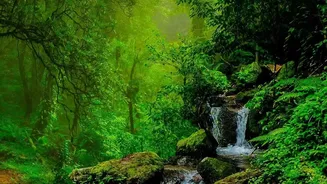
For the more adventurous, the monsoon turns Assam's hill stations into misty, ethereal landscapes. Haflong, the state's only hill station, is often called the 'Switzerland of the East' and becomes a perfect retreat for trekking. The rains give birth to countless seasonal waterfalls that cascade down green hillsides. The Dima Hasao district (formerly North Cachar Hills) offers offbeat trekking trails through vibrant tribal villages and rolling green hills, providing a glimpse into local culture amidst stunning natural beauty. Exploring these rain-washed landscapes, with clouds floating at eye level, is a truly memorable eco-adventure.