





1. Bottle Gourd (Lauki)
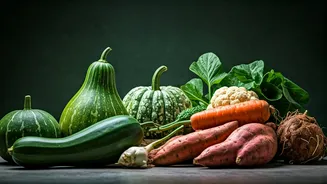
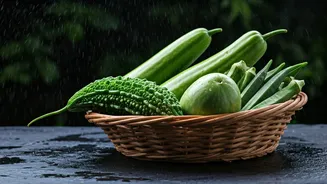
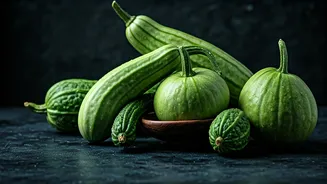
Often overlooked for its subtle flavour, bottle gourd is a true monsoon superstar. Composed of over 90% water, it's incredibly hydrating and exceptionally light on the digestive system—a significant advantage during a season when digestion can be sluggish.
Its cooling properties help balance the body's temperature amidst the humidity. Rich in fibre, it aids in smooth digestion and can help manage weight. Lauki is also a good source of vitamins C and B, as well as essential minerals like sodium, iron, and potassium. Don't dismiss it as bland; its genius lies in its ability to absorb the flavours of the spices it's cooked with. Think of a simple lauki ki sabzi with tomatoes and cumin, a flavourful lauki chana dal, or even savoury koftas. It's the perfect canvas for your favourite masalas.
2. Pointed Gourd (Parwal)
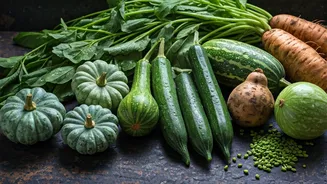
Parwal, also known as potol in some regions, is another humble hero of the rainy season. This unassuming vegetable is packed with vitamins A and C, antioxidants, and fibre, making it excellent for boosting immunity and maintaining good skin health. According to Ayurvedic principles, parwal is particularly effective at purifying the blood and balancing the Kapha dosha, which can be aggravated during the damp monsoon months. This helps keep common seasonal ailments like colds, coughs, and fevers at bay. Its versatility is its greatest strength. It can be stuffed with a spicy masala filling (bharwa parwal), tossed into a simple stir-fry, added to rich curries, or even turned into a crispy, fried side dish. Its slightly crunchy texture and mild taste make it a delightful addition to any meal.
3. Bitter Gourd (Karela)
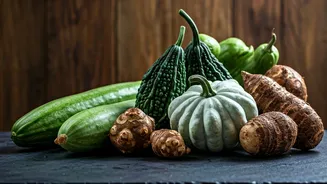
The name might be a deterrent for some, but bitter gourd is one of the most powerful medicinal vegetables available during the monsoon. Its renowned bitterness comes from compounds that are fantastic for managing blood sugar levels, making it a valuable part of a diabetic-friendly diet. Karela is loaded with vitamin C, which is crucial for fighting off infections that are rampant during this season. It also has potent antiviral and antibacterial properties. The key to enjoying karela is to prepare it correctly. Soaking it in saltwater before cooking can reduce its bitterness. You can make a delicious crispy karela fry, a tangy stuffed karela, or add it to lentils for a nutritional punch. Embracing its unique flavour is a step towards better health.
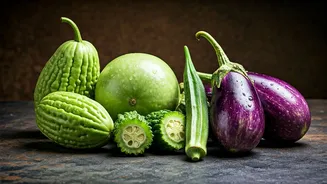
4. Spine Gourd (Kantola/Kakora)
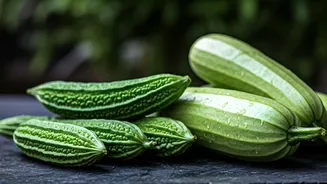
This spiky, green vegetable is a lesser-known gem that deserves a spot on your monsoon menu. Known as kantola, kakora, or teasel gourd, it's a low-calorie vegetable packed with high-quality protein, something rarely found in gourds. This makes it an excellent choice for vegetarians and those looking to build strength. It’s also rich in phytochemicals and antioxidants that help ward off seasonal illnesses. Its crunchy texture and mildly bitter taste are truly unique. The most popular way to cook it is a simple stir-fry with onions and basic spices, which brings out its natural flavour. It can also be deep-fried into crispy chips or added to mixed vegetable curries. If you see this in your local market, don't hesitate to pick it up.
5. Sweet Potato (Shakarkandi)
While available in other seasons, the monsoon variety of sweet potato is particularly nutritious. This root vegetable is a complex carbohydrate, providing sustained energy without spiking blood sugar levels. It's an incredible source of fibre, promoting a healthy gut microbiome, which is the first line of defence for your immune system. Shakarkandi is also loaded with beta-carotene, a precursor to vitamin A, which is essential for vision and immune function. Its natural sweetness makes it a satisfying and healthy alternative to processed snacks. Simply roast or boil it and sprinkle with a bit of chaat masala and lemon juice for a classic, comforting monsoon snack that is both delicious and incredibly good for you.