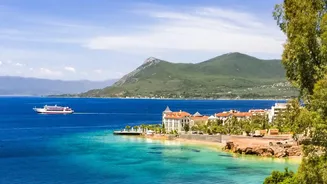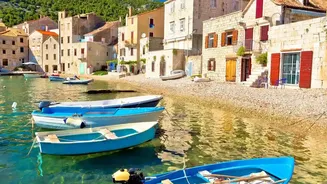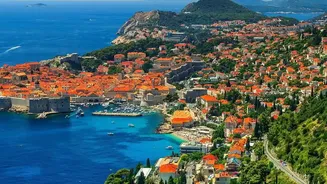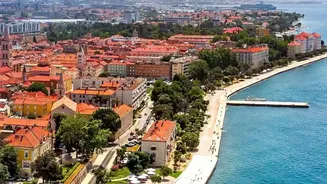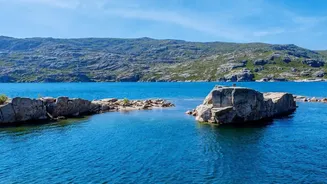




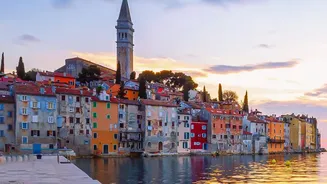
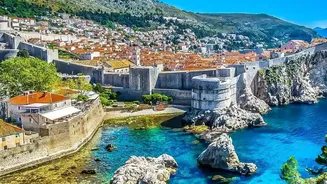
The dream of Croatia is one of shimmering turquoise waters, ancient stone towns, and sun-drenched islands. But for many visitors and locals, that dream is clashing with a crowded reality, raising questions about the future of this Adriatic gem.
The Paradox of Popularity
Croatia
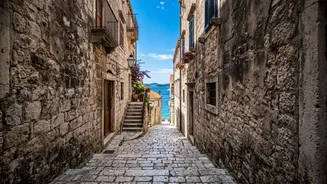
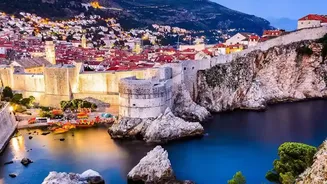
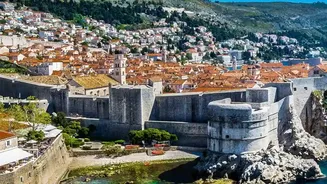
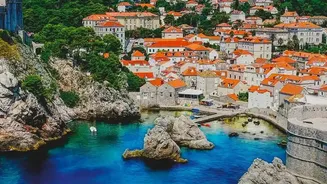
has become one of Europe's most sought-after travel destinations, famed for its breathtaking coastline and historical treasures. From the fortified walls of Dubrovnik, made globally famous as a filming location for 'Game of Thrones', to the vibrant waterfront of Split and the party reputation of Hvar, the country's allure is undeniable. Yet, this immense popularity has a significant downside. The very beauty that draws millions is being strained by their presence. During the peak summer months of July and August, what should be a relaxing escape can feel more like a competition for space. Picturesque pebble coves and historic piers become a sea of towels and sunbathers, while the narrow streets of ancient towns are choked with tour groups, a phenomenon often referred to as 'overtourism'.
Hotspots Under Pressure
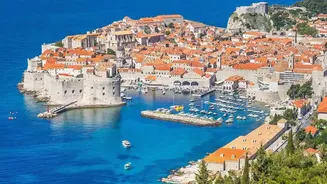
Certain areas feel the pressure more acutely. Dubrovnik, a UNESCO World Heritage site, has been ranked among the most overcrowded tourist cities globally. The primary driver of this is often the daily arrival of massive cruise ships, which can disgorge thousands of passengers into the compact Old Town for just a few hours. This creates intense, short-lived crowding that strains infrastructure and offers limited economic benefit, as many passengers spend little on land. Similarly, cities like Split have evolved from transit hubs to major destinations, with their ports and historic centres seeing dramatic increases in visitor numbers. This surge puts pressure not just on beaches but on everything from public transport to waste management, impacting the quality of life for the residents who call these places home. In fact, a growing trend sees locals leaving the coast during summer to escape the chaos.
The Towel Wars and Beach Etiquette
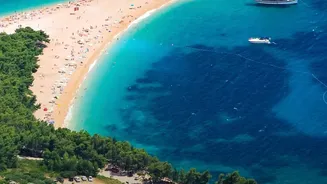
The competition for a spot on the beach has become a symbol of this wider issue. A common complaint up and down the coast is the practice of 'reserving' prime beach locations by leaving towels and umbrellas for hours, even when no one is there. On Croatia's characteristically small pebble beaches and rocky coves, this practice is a major source of frustration for both other tourists and locals, some of whom feel they are being pushed out of their own public spaces. This issue often spills onto social media, sparking debates about tourism etiquette. It highlights a fundamental challenge: Croatia's geography, with its intimate coves rather than long sandy expanses, isn't naturally suited to mass tourism, making crowding feel more intense.
Finding a More Sustainable Path
Recognizing that its main attraction is at risk, Croatia has begun taking steps to manage the tourist influx. In Dubrovnik, the 'Respect the City' project has implemented measures to limit the number of daily cruise ship arrivals and stagger their disembarkation times to ease congestion. There are also new rules for coach arrivals and plans for advanced booking systems for major attractions like the city walls, starting from 2026. Authorities in popular towns like Hvar and Split are also cracking down on anti-social behaviour with on-the-spot fines, attempting to shift the country's image from just a party destination to one that values cultural and family-friendly tourism. The national tourism strategy is also increasingly focused on sustainability, encouraging visitors to explore lesser-known regions and travel during the quieter shoulder seasons of spring and autumn.