


The Sun's Turbulent Temper
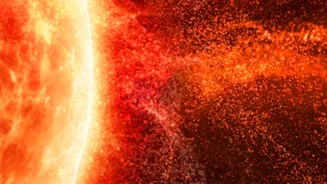
Space weather refers to the changing conditions in space driven by the sun's activity. The main culprits are solar flares, which are intense bursts of radiation, and coronal mass ejections (CMEs), which are colossal clouds of plasma and magnetic fields
hurled into space. While Earth's magnetic field protects us from the worst of it, powerful events can still have significant consequences. These solar storms can induce currents in power lines, potentially causing widespread blackouts. They can also disrupt radio communications, degrade GPS accuracy, and damage the sensitive electronics on which satellites depend.
Eyes in the Sky Aren't Enough
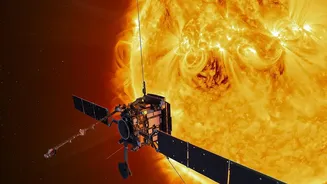
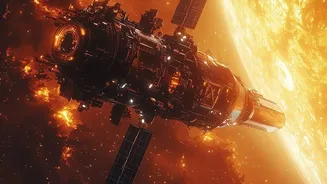
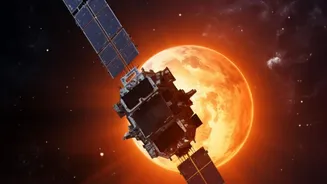
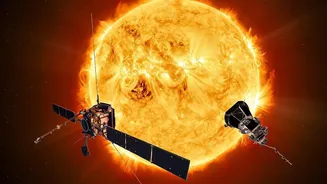
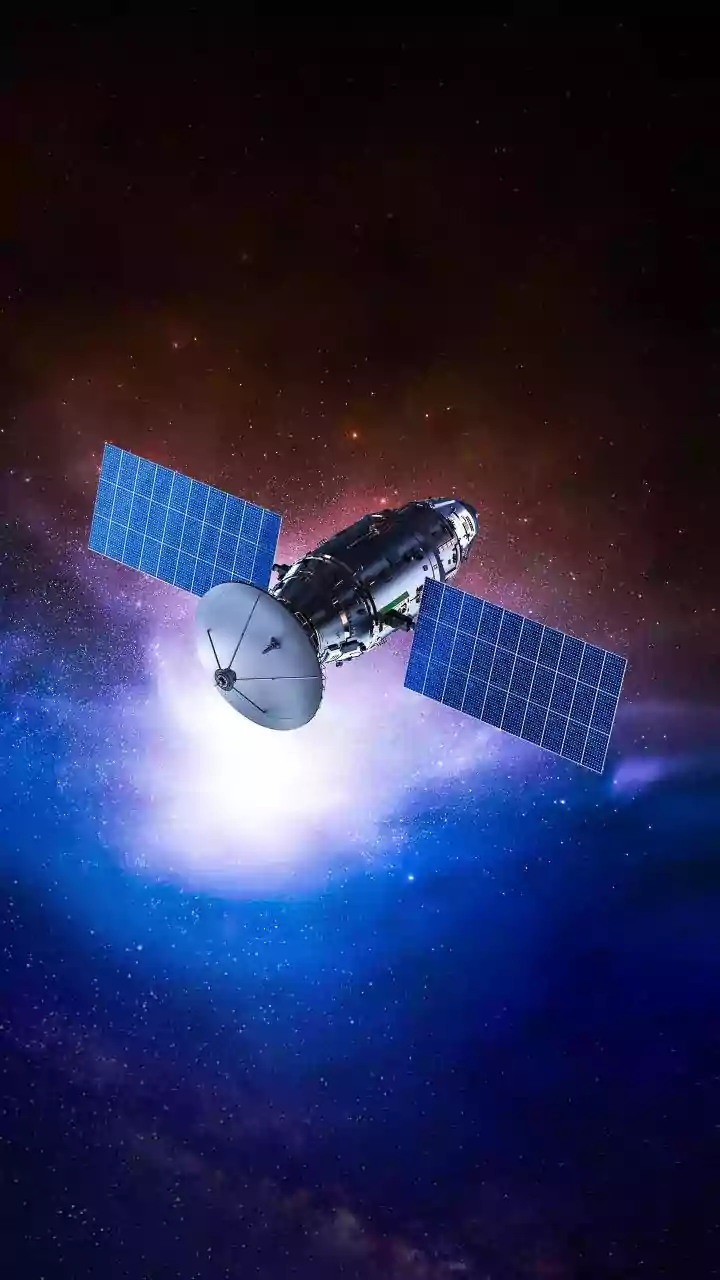
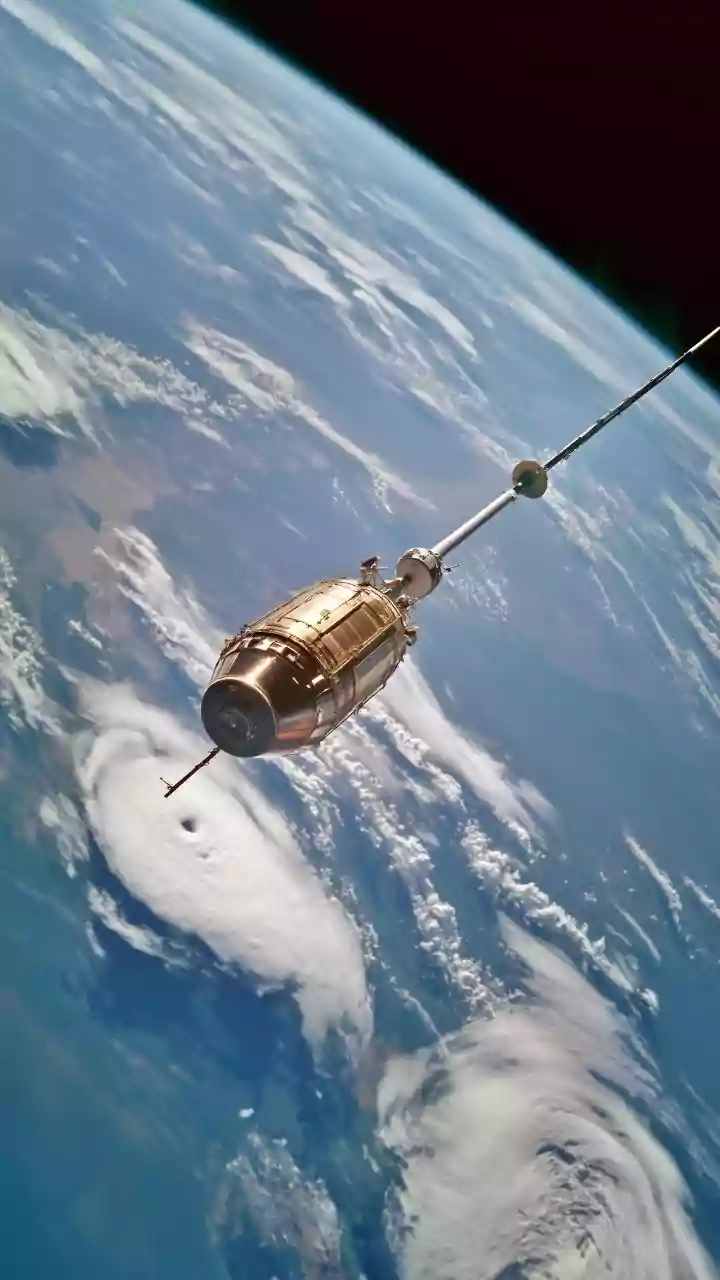
We have sophisticated satellites, like NASA's Solar Dynamics Observatory (SDO) and the Solar and Heliospheric Observatory (SOHO), that provide incredibly detailed images of the sun. These space-based observatories are crucial for watching CMEs erupt and for seeing the sun in wavelengths of light that are blocked by our atmosphere. However, they have limitations. A single satellite can't watch the entire sun all at once. Furthermore, they are expensive to launch and difficult, if not impossible, to repair. For a star that never sleeps, we need a monitoring system that never blinks.
The Global Sentry Network
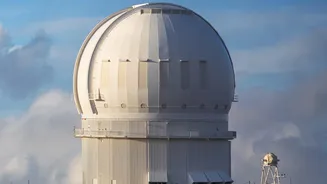
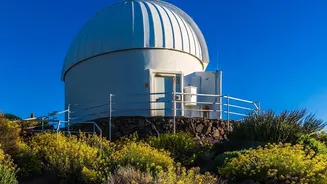
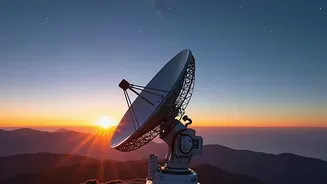
This is where ground-based observatories come in. To achieve uninterrupted, 24/7 coverage, scientists established global networks. The most prominent of these is the Global Oscillation Network Group (GONG). GONG consists of six identical observatories strategically placed around the world in different longitudes: California, Hawaii, Australia, India, the Canary Islands, and Chile. As the Earth rotates, the sun sets on one observatory just as it is rising for another. This clever setup ensures that at least one, and usually two, stations always have a clear view of the sun, minimising data loss from night-time or bad weather.
How Ground Observatories Watch the Sun
GONG observatories don't just take simple pictures. They use an instrument called a Michelson interferometer to measure the subtle up-and-down motions on the sun's surface caused by sound waves echoing within it—a field known as helioseismology. More importantly for forecasting, they create full-disk maps of the sun’s magnetic field, called magnetograms, every minute. Violent events like flares and CMEs are born from intensely twisted magnetic fields in the sun's lower atmosphere. By constantly monitoring these magnetic fields, forecasters can spot the tell-tale signs of an impending eruption, serving as an early warning system.
From Data to Daily Forecasts
The continuous stream of data from networks like GONG is fed in near real-time to space weather prediction centers around the world, including those run by NOAA in the US and in India. Forecasters combine this ground data with observations from space-based satellites to run complex models. These models predict the likelihood of a solar flare and, if a CME is launched towards Earth, its speed and trajectory. This gives crucial lead time—from hours to a few days—for satellite operators, power grid managers, and airlines to take protective measures.
Why It Matters for India
With a rapidly growing digital economy, India is increasingly reliant on technologies vulnerable to space weather. The country operates its own regional navigation satellite system (NavIC), a sprawling power grid, and extensive communication networks. Agencies like the Center of Excellence in Space Sciences India (CESSI) in Kolkata and the Regional Warning Centre (RWC) in Delhi use global and local data to provide specific forecasts for the Indian region. The Udaipur Solar Observatory is a key part of the GONG network, placing India at the heart of this global effort to protect critical infrastructure from the sun's fury.