



A Zero-Waste Kitchen Staple
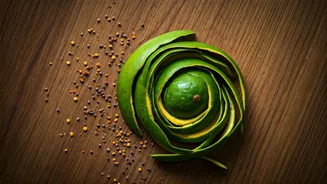
The practice of using every part of an ingredient is a cornerstone of traditional Indian cooking, born from a respect for nature and a knack for frugality. This tangy powder made from mango peels is a perfect example. While not to be confused with amchur,
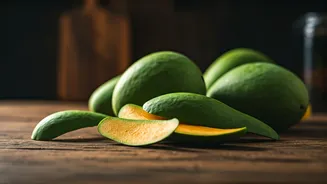
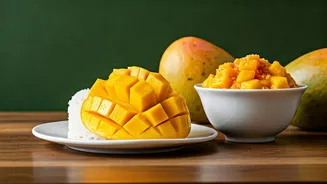
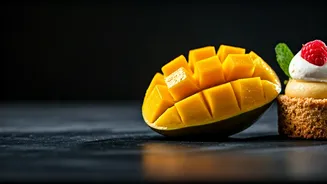
which is made from the flesh of unripe mangoes, this powder uses the skins of ripe mangoes. It captures their unique, slightly tart and floral essence, turning what is typically considered food waste into a valuable pantry item. By making this powder, you are not just creating a new flavour for your spice rack, but also participating in a sustainable, zero-waste kitchen philosophy.
More Than Just Flavour
Mango peels are surprisingly nutritious. They are packed with dietary fibre, which is excellent for digestive health and can help you feel fuller for longer. The peels are also a rich source of antioxidants like polyphenols and carotenoids, as well as vitamins A and C. These compounds help protect your body from cellular damage and support a healthy immune system. Some studies have even highlighted the presence of mangiferin, a bioactive compound in the peel with potential anti-inflammatory and other health benefits. While you are enjoying the zesty flavour, you are also adding a quiet nutritional boost to your meals.
Your Step-by-Step Guide
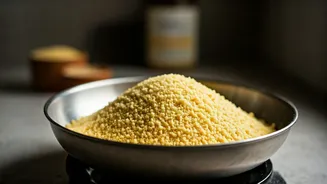
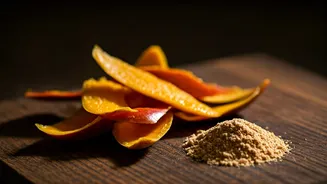
Creating your own mango peel powder is surprisingly simple. All it requires is a bit of patience. 1. **Clean the Peels:** The first step is crucial. After enjoying your mangoes, thoroughly wash the peels under running water to remove any dirt or residue. If you've used conventionally grown mangoes, a good scrub is especially important to minimise any pesticide traces that might be on the surface. 2. **Dry Them Completely:** The key to a good powder is completely dehydrated peels. You have two main options here. The traditional method is to sun-dry them. Spread the peels in a single layer on a clean cloth or tray and leave them in a sunny, well-ventilated spot for two to three days, or until they are completely brittle and snap easily. Alternatively, you can use an oven. Arrange the peels on a baking sheet and bake at the lowest possible temperature (around 50-60°C) for several hours, until they are totally dry and crisp. 3. **Grind to a Powder:** Once the peels are bone-dry, break them into smaller pieces and place them in a powerful mixer-grinder or a dedicated spice grinder. Grind them until you achieve a fine powder. You may need to do this in batches and sieve the powder to remove any larger, coarser bits for a finer texture. The finer the grind, the better it will incorporate into your dishes. 4. **Store Properly:** Store your finished tangy powder in a clean, dry, airtight glass jar. Keep it in a cool, dark place away from moisture and direct sunlight. Stored correctly, it can last for several months, ready to add a burst of flavour whenever you need it.
Unleashing the Tangy Magic
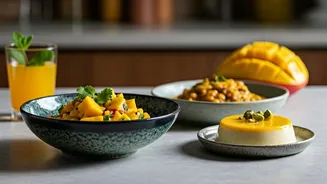
Now for the fun part: using your homemade powder. This versatile condiment can be used in numerous ways to add a unique, tangy twist to your cooking. Think of it as a cousin to amchur or sumac. Sprinkle it over chaats, fruit salads, or roasted vegetables for a zesty finish. Mix it into your spice blends for marinades for paneer, chicken, or fish. It can also be stirred into chutneys, dips, and salad dressings to add a layer of complexity. You can even add a pinch to a glass of water or your favourite beverage for a refreshing, tangy drink. Start with a small amount and adjust to your taste, as the flavour can be quite concentrated.