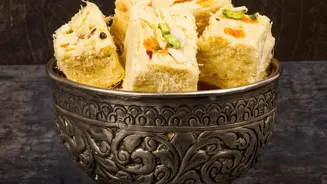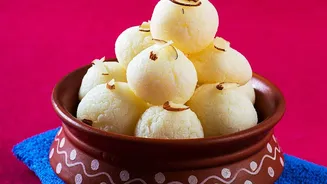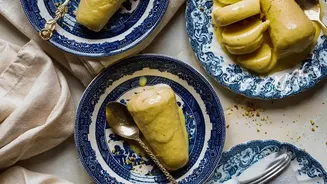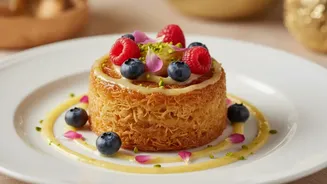



A Global Twist on a Local Favourite
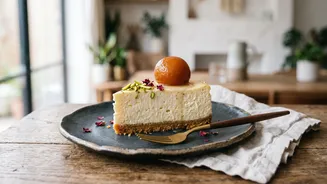
One of the most exciting developments is the fusion of Indian mithai with global dessert formats. Home cooks and food bloggers are enthusiastically breaking creative boundaries. Think of a delicate Rasmalai Tiramisu, where the Italian classic is infused
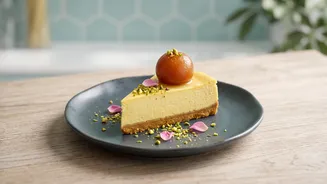
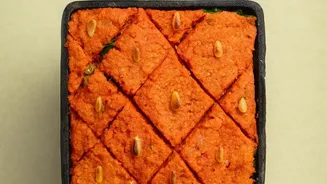
with the saffron and cardamom notes of the Bengali sweet, or a Gulab Jamun Cheesecake that marries the dense, syrupy delight of the jamun with the creamy tang of a cheesecake. These creations aren't about replacing the original; they are a playful dialogue between different culinary worlds. You can now find recipes for everything from motichoor ladoo parfaits and croissant shahi tukda to gajar ka halwa-inspired cupcakes and paan-flavoured truffles. This trend reflects a generation of home cooks who have grown up with a global palate but still hold a deep affection for the flavours they were raised on.
The Search for a Healthier Indulgence
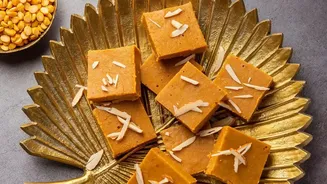
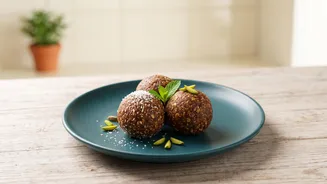
Alongside this global fusion is a powerful move towards health-conscious eating. Many home cooks are actively modifying traditional recipes to make them lighter and more nutritious without sacrificing flavour. This often involves swapping refined sugar for natural sweeteners like jaggery, dates, or honey. You might see ladoos made with dates and nuts, providing sweetness and energy without a sugar crash, or kheer made with protein-packed quinoa instead of rice. There is also a trend towards changing cooking methods, such as baking gujiyas instead of deep-frying them or using almond or oat flour for a gluten-free take on barfi. This approach allows families to enjoy festive treats more regularly, transforming them from once-a-year indulgences into guilt-free snacks.
Driven by a New Generation of Home Bakers
The rise of a vibrant home-baking culture, significantly amplified by social media, is a key driver of this evolution. Platforms like Instagram and YouTube are flooded with visually stunning images and tutorials for these modern sweets. Home bakers share their inventive recipes for treats like 'rasmalai cake' or 'gulab jamun cupcakes', inspiring countless others to experiment in their own kitchens. This digital sharing culture has democratised culinary innovation, moving it from the exclusive domain of high-end sweet shops and restaurants into everyday homes. The emphasis is often on aesthetics and creativity, with home cooks using edible flowers, intricate piping, and stylish plating to turn their desserts into works of art. This not only makes the sweets more appealing but also turns the act of making them into a fulfilling creative outlet.
Convenience for a Modern Lifestyle
Many traditional Indian sweets are famously laborious, requiring hours of slow-cooking, stirring, and shaping. In today's fast-paced world, many home cooks simply don't have that kind of time. As a result, many of these new dessert forms are designed for convenience. No-bake cheesecakes, quick trifles layered in a glass, and instant pedas made in the microwave offer the beloved flavours of mithai in a fraction of the time. For instance, a motichoor rabdi parfait can be assembled in minutes using store-bought boondi and quickly prepared rabdi, providing a showstopper dessert with minimal effort. Similarly, recipes for 10-minute coconut ladoos or quick bread halwa cater to the need for a delicious, homemade sweet that doesn't demand a full day in the kitchen.