

More Than Just Birds and Mammals
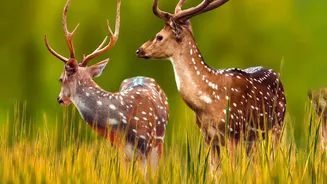
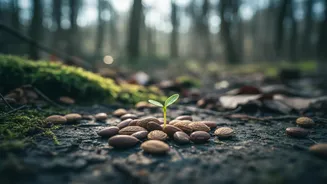
Seed dispersal is a fundamental process that allows plants to reproduce, colonise new territories, and maintain genetic diversity. For decades, the focus of ecological research has been on vertebrates. Colourful birds eating berries and monkeys dropping
fruit pits have long been seen as the primary movers and shakers in this natural system. These larger animals are known for carrying seeds over long distances after consuming fruit, a process known as endozoochory. This long-distance travel is crucial for helping plants escape competition with their parent and for moving into entirely new areas. However, this is only part of the story. A new body of research synthesising dozens of studies shows that we have been overlooking an entire class of crucial contributors to this process.
An Underground Network of Gardeners
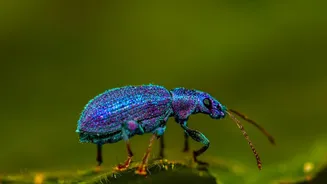
A comprehensive review led by researchers from the University of Hong Kong has shed light on the widespread role of ground-dwelling invertebrates in seed dispersal. By analysing 43 different studies, the team found evidence that at least 51 invertebrate species—including slugs, earthworms, beetles, crickets, and even freshwater crabs—are responsible for dispersing the seeds of 186 different plant species across Asia, Europe, North America, and Oceania. This form of dispersal, where small invertebrates ingest seeds that pass through their digestive systems unharmed, is proving to be far more common than previously believed. While these creatures may not move seeds across mountain ranges, their impact at a micro-level is profoundly important for ecosystem health.
Slugs, Beetles, and Crabs in Action
The methods of these tiny gardeners are as fascinating as they are effective. Slugs, for example, can consume seeds and pass them through their digestive tracts, with the resulting fecal deposits providing a moist and potentially nutrient-rich environment for germination. Beetles have been observed burying themselves during the day to escape heat, effectively planting seeds they have consumed in protected, underground locations ideal for sprouting. In coastal and island ecosystems, freshwater crabs play a vital role. One study noted that a single crab can ingest over 1,000 seeds in a single night, depositing them in humid burrows that shield them from drought and predators. Some plants even seem to have evolved specifically for these interactions, producing small, tough seeds in dull-coloured fruits that fall to the ground, making them more accessible to crawlers than to high-flying birds.
Why These Tiny Dispersers Matter
The significance of this underground network cannot be overstated. While the distances covered are short, the quality of dispersal is often very high. By moving seeds into burrows or nutrient-rich patches of soil, invertebrates place them in perfect micro-habitats for germination, away from the intense competition near the parent plant. This increases the chances of survival and contributes to the fine-scale diversity of the forest floor. Furthermore, as populations of larger vertebrate dispersers decline in many parts of the world, these often-ignored invertebrates could play an increasingly critical role in forest regeneration and resilience. Acknowledging their contribution forces a re-evaluation of conservation strategies, highlighting the need to protect the biodiversity of the soil and leaf litter, not just the large, charismatic animals we can easily see.