






The Mechanics of Intestinal Motility
Intestinal motility refers to the muscular contractions that move food through your digestive tract. This process, known as peristalsis, is crucial for breaking down food and absorbing nutrients. Some evidence and traditional medicine systems suggest
that food temperature can influence this rhythm. Warm foods and drinks may help relax the muscles of the digestive tract, potentially allowing food to pass more smoothly. Conversely, very cold foods might cause these muscles to contract. One study noted that while tube feedings at different temperatures didn't significantly alter gastric motility patterns, cold feedings did lead to cramping and diarrhea in some participants. While your body is excellent at regulating its internal temperature, the initial temperature of what you consume can create a temporary effect, making digestion feel either more sluggish or more comfortable for certain individuals.
Temperature and Your Gut Microbiome
The headline's bigger claim revolves around the gut microbiome—the trillions of bacteria and other microbes living in your intestines. Here, the link is less about the food's temperature when you eat it and more about what 'hot' and 'cold' foods often represent: cooked versus raw. Cooking (heating) fundamentally changes the structure of food. Heat can break down tough plant cell walls and gelatinize starches, essentially 'pre-digesting' them. This makes nutrients more available for absorption higher up in your digestive system. As a result, fewer undigested components reach the colon, which is where the majority of your gut microbes reside. This change in available 'food' for your microbes can, in turn, influence which species thrive. A 2019 study in Nature Microbiology found that diets of raw versus cooked foods led to distinct changes in the gut microbiomes of both mice and humans. The most significant differences were observed with starchy vegetables.
Raw vs. Cooked: A Microbial Shift
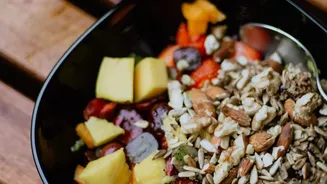
When you eat raw foods, like a salad, your gut microbes have access to a different set of materials compared to when you eat the same vegetables cooked. Raw foods often contain more intact fibers and may also have naturally occurring antimicrobial compounds that are denatured by heat. This can foster a different microbial environment. The research showed that raw-food diets led to greater microbial diversity in some cases, but also that hosts (both mice and humans) absorbed less energy from raw foods. Cooked food, being more digestible for the human body, left less for the microbes, which altered their composition and activity. This doesn't mean one is definitively 'better' than the other. Instead, it suggests that a mix of both cooked and raw foods could be key to promoting a diverse and resilient microbiome, feeding different types of beneficial bacteria.
The Wisdom of Traditional Practices
Traditional medicine systems like Ayurveda and Traditional Chinese Medicine (TCM) have long emphasized the importance of food temperature for digestive health. These systems often recommend warm, cooked foods to support the 'digestive fire' (known as Agni in Ayurveda), believing they are easier on the system and require less energy to process. Cold, raw foods are seen as potentially dampening this digestive energy, making them harder to break down. It's important to note that in these traditions, 'hot' and 'cold' also refer to the inherent energetic properties of a food, not just its physical temperature. For example, mint is considered 'cooling' even when served in a hot tea. While modern science focuses on the physical and chemical changes, these ancient practices highlight a long-held human intuition that how we prepare our food matters deeply.
Finding Your Own Balance
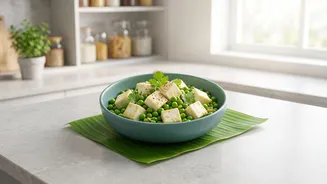
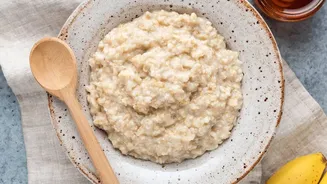
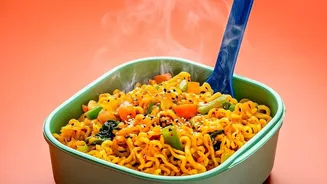
So, should you give up salads for stews? Not at all. The key takeaway is balance and listening to your body. For individuals with sensitive digestion, bloating, or cramping, favouring warm, cooked foods may provide comfort and feel easier on the gut. Warm soups, steamed vegetables, and well-cooked grains can be particularly soothing. However, raw foods provide unique nutrients and fibers that are also beneficial. The ideal approach is likely a combination. Enjoy a warm, cooked lunch and a fresh, crisp salad for dinner, or vice-versa. Pay attention to how you feel. If you notice discomfort after consuming very cold items, you might experiment with eating more foods at room temperature or slightly warmed. The goal isn't a rigid rule, but a mindful approach to eating that supports your individual digestive wellness.