





Understanding Sawan and Its Culinary Traditions
Sawan, also known as Shravan, is the fifth month of the Hindu lunar calendar, dedicated to the worship of Lord Shiva. For many devotees, this is a time for fasting, especially on Mondays (Somvar), to seek blessings and express devotion. The dietary practices
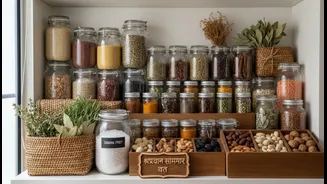
during Sawan are rooted in Ayurvedic principles, emphasizing 'sattvic' or pure foods that are light, easy to digest, and promote mental clarity. This typically means avoiding meat, eggs, onions, garlic, regular salt, and certain grains and lentils. Instead, the focus shifts to fruits, dairy products, and specific fasting-friendly ingredients like buckwheat flour (kuttu), tapioca pearls (sabudana), and rock salt (sendha namak). This culinary shift is also practical, as the monsoon season coincides with a time when digestion is considered weaker.
The Fasting Classic: Sabudana Khichdi
No Sawan fast is complete without Sabudana Khichdi, a comforting and energy-boosting dish. Made from soaked tapioca pearls, it's a gluten-free favourite that keeps you full for hours. To make a perfect, non-sticky khichdi, the key is to soak the sabudana correctly—just enough water to cover them for a few hours or overnight until they are soft and fluffy. Start by heating ghee in a pan and tempering it with cumin seeds and chopped green chillies. Add boiled and cubed potatoes, and sauté for a minute. Then, stir in the drained sabudana, roasted and coarsely crushed peanuts, and sendha namak. Cook on a low flame, stirring gently, until the pearls turn translucent. A final squeeze of lemon juice and a garnish of fresh coriander leaves elevate the flavours, making it a truly satisfying meal.
A Hearty Meal: Kuttu ki Puri with Aloo Sabzi
For a more substantial meal, the combination of Kuttu ki Puri and a simple Aloo Sabzi is unbeatable. Kuttu (buckwheat flour) is a staple during fasting periods and is packed with nutrients. To prepare the puris, mix kuttu flour with boiled and mashed potatoes, which act as a binding agent. Season with sendha namak and a pinch of black pepper, and knead into a firm dough, using minimal water. Roll out small puris and deep-fry them in hot oil or ghee until they are crisp and puffed up. Pair these with a simple potato curry made by sautéing boiled potatoes in a tempering of cumin seeds and green chillies, seasoned with rock salt. It’s a wholesome and delicious meal that honours the spirit of the fast.
A Sweet Indulgence: Makhana Kheer
Fasting doesn't mean you have to skip dessert. Makhana Kheer, or fox nut pudding, is a creamy and delightful sweet treat that is perfect for Sawan. Phool makhana (fox nuts) are light, crunchy, and incredibly nutritious. To make the kheer, start by roasting the makhana in a little ghee until they become crisp. Set some aside and grind the rest into a coarse powder to help thicken the kheer. In a separate pan, bring full-fat milk to a boil and let it simmer. Add the whole and powdered makhana, sugar to taste, and a few strands of saffron for colour and aroma. Let it cook on low heat until the milk thickens and the makhana softens. Garnish with sliced almonds and pistachios before serving this divine pudding warm or chilled.
Quick and Healthy: Vrat-Friendly Snacks
When hunger strikes between meals, having quick and permissible snacks on hand is essential. A simple fruit chaat, made with seasonal fruits like apples, bananas, and pomegranates, tossed with a sprinkle of rock salt and lemon juice, is both refreshing and energising. Another great option is roasted makhana; simply toss them in a little ghee and sendha namak for a crunchy, guilt-free snack. For something more filling, try Arbi Tikkis. Boil and mash colocasia root (arbi), mix with buckwheat flour, green chillies, and spices, form into patties, and shallow-fry until golden brown for a delicious and satisfying treat.