



The Weather: A Month of Two Halves
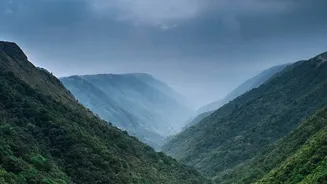
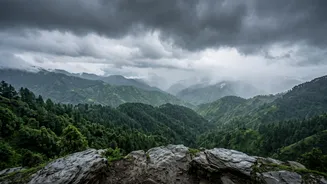
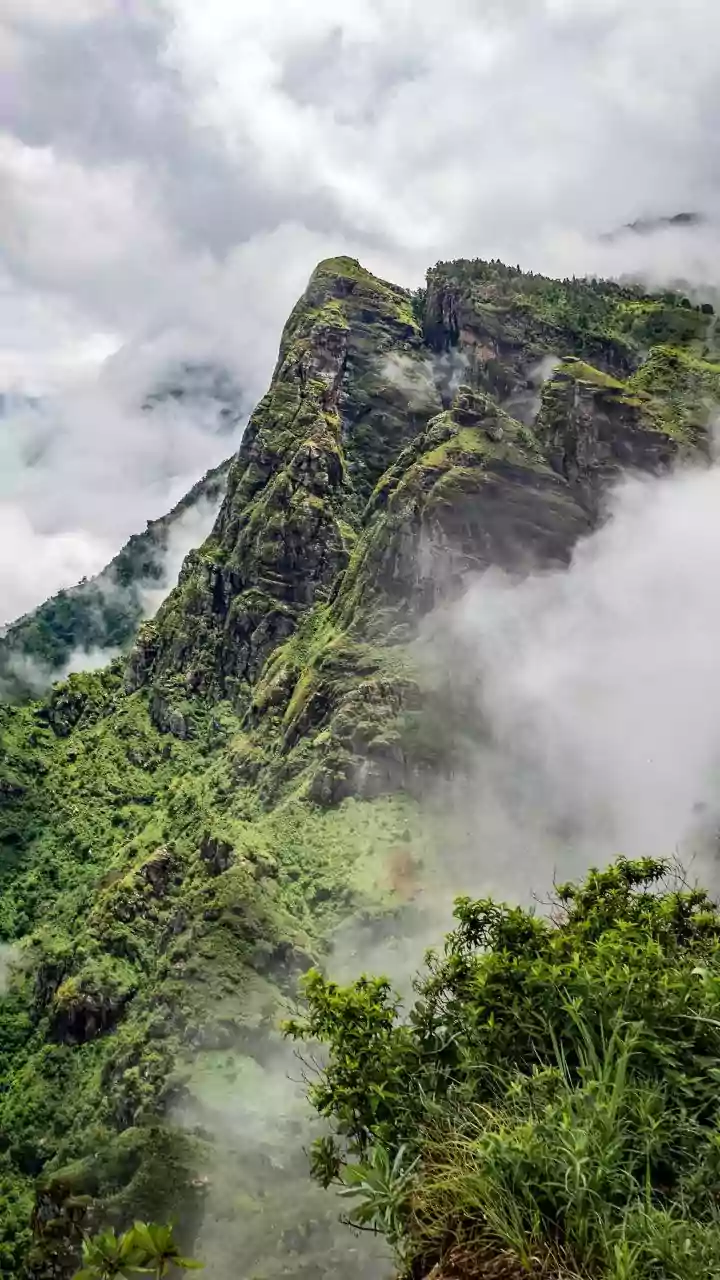
September is a transitional month, and the weather you experience depends heavily on when you travel. The first half of the month often feels like an extension of the monsoon. Expect lingering showers, misty conditions, and the potential for heavy downpours,
especially in states like Himachal Pradesh and Uttarakhand. The India Meteorological Department (IMD) has issued warnings for heavy rainfall in early September 2026 for several districts in these states. The latter half of the month, particularly from the third week onwards, generally sees a significant drop in rainfall, ushering in clearer skies and more stable conditions, making it a safer and more pleasant time for travel.
Road Conditions and Landslide Risks
This is the most critical factor for a September hill trip. Soil saturated from months of rain remains highly vulnerable to landslides, even with light rainfall. As of early September 2026, authorities reported that nearly 100 roads in Himachal Pradesh were blocked, with Mandi district being the worst affected. Similarly, relentless rains in Uttarakhand have led to fatalities, house collapses, and the closure of over 140 roads in the Kumaon region. Key tourist routes in both states are susceptible to blockages. Authorities strongly advise against night travel and recommend checking real-time road status updates from local police and disaster management authorities before and during your journey.
Choosing Your Destination Wisely
Not all hill stations are created equal in September. It's best to avoid or exercise extreme caution in areas known for being landslide-prone. These include the Kullu-Manali corridor, parts of Shimla, Chamba, and Kinnaur in Himachal, and the Char Dham routes, Mussoorie, and Nainital in Uttarakhand. The roads to Gangtok and Darjeeling can also be unpredictable. Safer alternatives might include rain-shadow regions like Spiti Valley or Ladakh, which experience their peak dry season during the monsoon. If you're set on popular destinations, consider lower-altitude towns with better infrastructure or plan your trip for late September when risks are lower. Destinations like Mount Abu in Rajasthan offer a greener, gentler monsoon experience.
What to Pack for Unpredictable Conditions
Layering is key for a September trip. Your packing list should account for both rain and dropping temperatures. Essentials include a reliable waterproof jacket and rain-proof pants. Instead of heavy winter wear, pack multiple light layers like fleece jackets and thermal wear that you can add or remove as the weather changes. Quick-drying clothes are a must. Good quality, waterproof hiking shoes with excellent grip are non-negotiable, as paths can be slippery and muddy. Also carry a waterproof cover for your backpack and electronic gadgets. A powerful headlamp or torch is crucial, as power cuts can be common and driving at dusk is ill-advised.
Booking, Flexibility, and Finding Deals
September is a shoulder season, which means you can often find attractive deals on flights and hotels, with prices sometimes 20-40% lower than in peak season. However, this is not the time for a rigid itinerary. When booking, opt for flexible options that allow for last-minute changes or cancellations. Given the weather, flight delays are common, so it's wise to build buffer days into your travel plan, especially if you have connecting flights. A one or two-day buffer can prevent a minor road blockage from derailing your entire trip. Before finalizing, confirm with your hotel or homestay about the local road conditions and accessibility.