




From Flat Whites to Filter Coffee
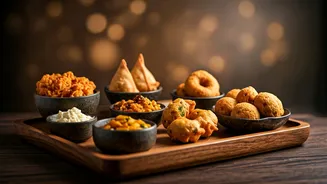
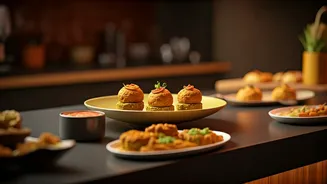
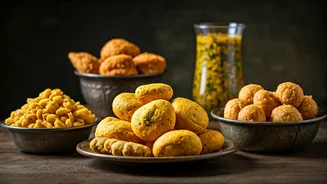
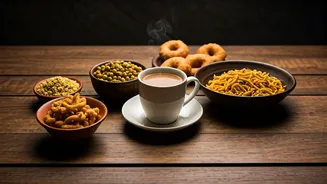
Walk into a trendy café in a metro city today, and the menu might surprise you. Alongside the flat whites and avocado toast, you are increasingly likely to find dishes that taste like home. We’re talking about everything from comforting poha and sabudana
vada to regional specialties that were once confined to family kitchens. This is not just a handful of establishments; it's a nationwide movement. For a long time, the Indian café experience was largely an imitation of Western trends. The goal was to provide a standardized, globally familiar space. But as diners become more adventurous and prouder of their own culinary traditions, cafés are responding by looking inward for inspiration.
A Taste of Nostalgia and Authenticity
So, what's driving this change? One of the biggest factors is nostalgia. For the millions of Indians living in cities far from their hometowns, a simple, well-made regional dish offers a powerful emotional connection. It’s a taste of comfort and a reminder of family gatherings and festivals. Beyond nostalgia, there is a growing hunger for authenticity. Diners are tired of generic menus and are actively seeking out food with a story and cultural roots. Food bloggers and social media creators have played a huge role, travelling to smaller towns and showcasing lesser-known recipes, creating a buzz that mainstream restaurants can't ignore. This has led to a newfound respect for hyperlocal ingredients and cooking methods.
The Menu Gets a Hyperlocal Makeover
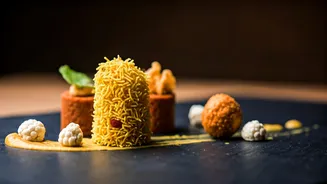
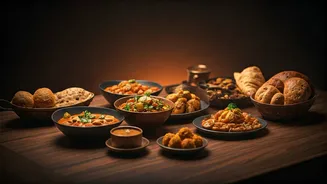
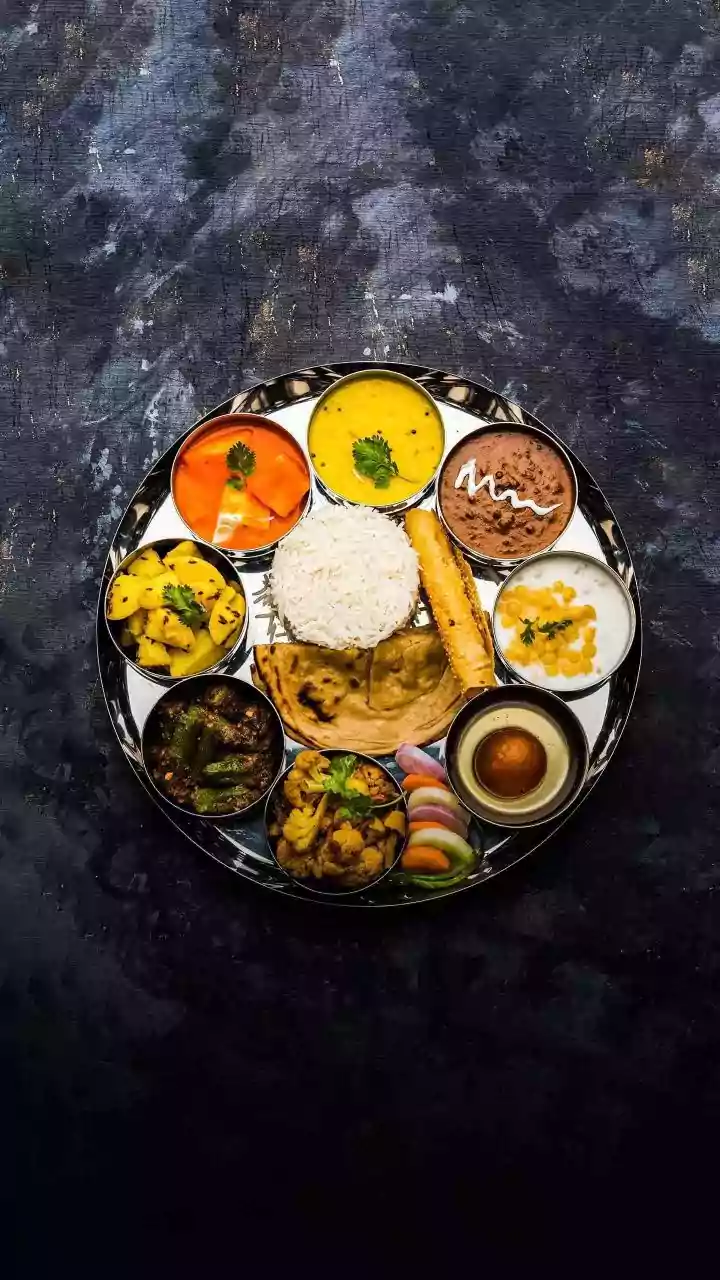
This trend goes far beyond just adding a few 'Indianised' options. Chefs are diving deep into the country's diverse culinary landscape. Instead of a generic 'South Indian' dish, menus now specify the region, celebrating the subtle differences between, for instance, a Keralan curry and a Chettinad preparation. We're seeing the rise of dishes like Goan prawn curry, Rajasthani dal baati, and smoked pork with bamboo shoots from the Northeast making appearances on café menus. Some establishments are building their entire identity around a single micro-cuisine, such as Badaga food from the Nilgiris or spicy Kathiyawadi fare from Gujarat. This shift is also driving a focus on local sourcing, seasonal produce, and even the revival of forgotten grains like millets.
A Smart Business Move
While culturally significant, this embrace of regional cuisine is also a savvy business decision. In a crowded market, offering a unique, hyperlocal menu is a powerful way for a café to stand out. It creates a distinct identity that can't be easily replicated by large chains. Furthermore, focusing on regional recipes often allows for more sustainable practices. Using locally sourced, seasonal ingredients not only ensures freshness but can also be more cost-effective and supports local farmers and economies. By offering authentic, high-quality regional food, cafés are building a loyal customer base that returns not just for a caffeine fix, but for an experience that feels both modern and deeply rooted.