


The Science of Tempering
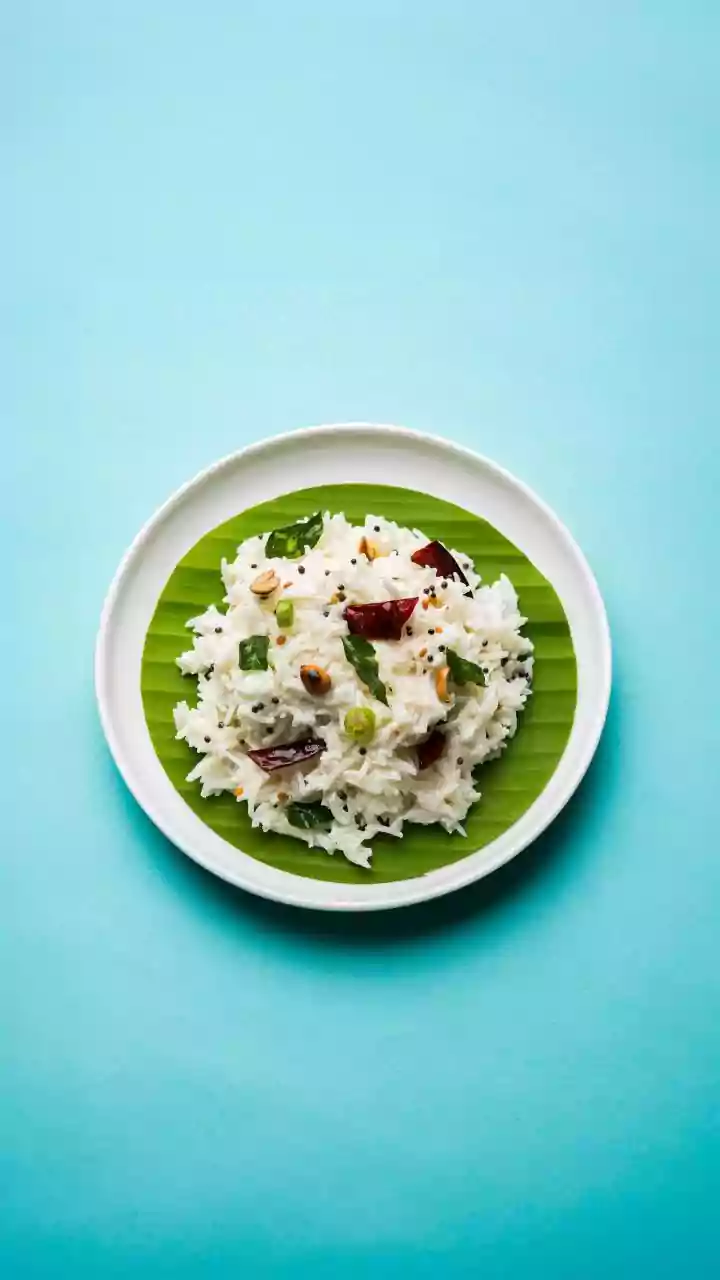
Tempering, known as 'tadka' or 'chaunk', is the practice of briefly heating whole or ground spices in hot fat like ghee or oil. This infused fat is then added to a dish, either at the beginning to build a flavour base or as a final garnish to add aroma
and complexity. The magic lies in a simple chemical principle: many of the most important aromatic and health-promoting compounds in spices are fat-soluble, not water-soluble. When you add spices directly to a water-based curry or dal, their full potential remains locked away. Hot fat, however, acts as a solvent. It breaks down the tough cellular walls of the spices, releasing the essential oils and flavour compounds within. This process, sometimes called 'blooming', allows the fat to capture these essences and distribute them evenly throughout the entire dish, ensuring every bite is rich and aromatic.
Unlocking Curcumin in Turmeric
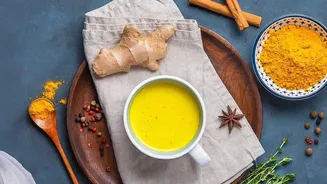
Turmeric is a perfect example of this principle in action. Its main active compound, curcumin, is celebrated for its potent anti-inflammatory and antioxidant properties. However, curcumin has notoriously low bioavailability, meaning our bodies struggle to absorb it on their own. This is where tempering provides a powerful advantage. Since curcumin is fat-soluble, cooking it in ghee or oil significantly increases how much our bodies can absorb. One study found that consuming curcumin with lipids could increase its bioavailability by up to 100-fold. The effect is further enhanced when black pepper is included in the tadka. Black pepper contains piperine, a compound that is known to dramatically boost the absorption of curcumin, making the traditional combination of turmeric and pepper in a tadka a potent nutritional pairing.
Beyond Turmeric: A Symphony of Spices
The benefits of tempering extend to a wide array of spices commonly used in Indian kitchens. For seeds like cumin, mustard, and coriander, the hot oil not only extracts their fat-soluble compounds but also gently toasts them, transforming their flavour profile. Cumin becomes warmer and nuttier, while the sharp, pungent notes of mustard seeds are released only when they begin to pop in the heat. Tempering also helps mellow the bitterness of spices like fenugreek seeds, making them more palatable. Other aromatics like asafoetida (hing), prized for its digestive properties, release their complex, savoury notes when bloomed in fat, adding a foundational umami flavour to lentil dishes. Fat-soluble vitamins present in spices, such as vitamins A, D, E, and K, also become more readily available for the body to process and use after being tempered in fat.
Ghee vs. Oil: Which Fat to Use?
The choice between ghee and oil for tempering often comes down to regional traditions and the desired flavour profile. Ghee, or clarified butter, is the most traditional choice and is prized for its high smoke point and nutty, rich flavour that complements many dals and curries. From a nutritional standpoint, ghee itself is a source of fat-soluble vitamins and butyrate, a short-chain fatty acid that supports gut health. Different oils bring their own character. Mustard oil, with its pungent kick, is a staple in Bengali and North Indian cooking. Coconut oil is frequently used in South Indian cuisine, lending a subtle sweetness. Neutral oils like sunflower or canola oil are also effective and allow the pure flavour of the spices to be the star. Regardless of the choice, the fundamental principle remains the same: the fat is the vehicle that carries both flavour and nutrients.