



A Landmark Reimagined for Modern Life
For years, The Den was a beloved, single-purpose institution—a legendary concert hall known for its gritty charm and iconic shows. Its closure left a void, but its 2026 reopening has revealed a stunning transformation. The new Den is a masterclass in flexibility.
Retractable stages, modular seating, and dynamic acoustic panels allow it to shift from a raucous concert venue on a Friday night to a vibrant community market on Saturday morning, a quiet co-working space during the week, and a theatre for intimate plays. It’s no longer just one thing; it’s whatever the community needs it to be. This comeback isn’t just about bringing back a landmark; it’s about reinventing it to serve the multifaceted needs of modern life, a concept that translates directly to our homes.
The Decline of the Single-Purpose Room
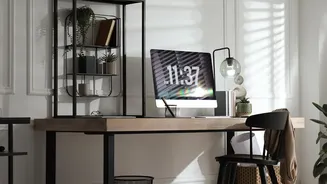
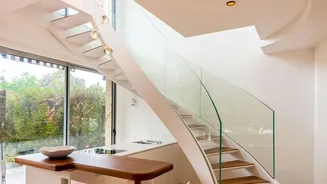
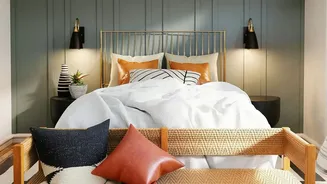
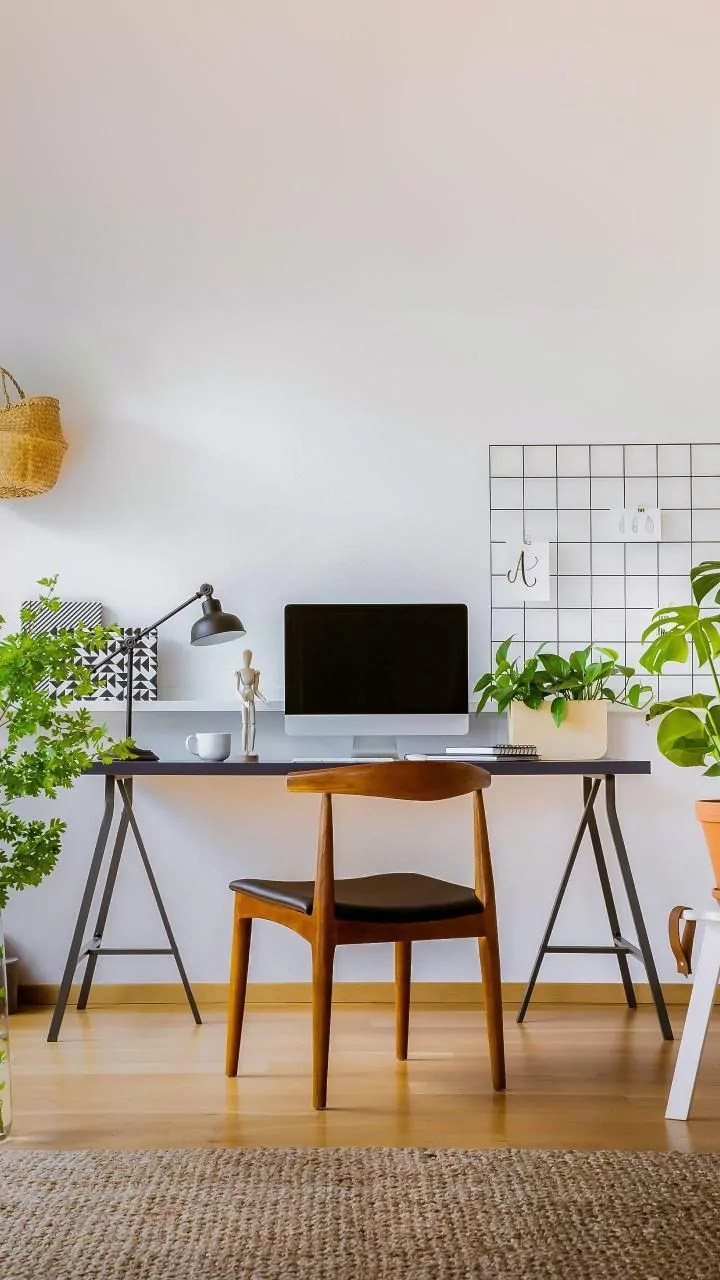
For generations, homes were carved into rigid, single-use spaces: the formal dining room used twice a year, the guest bedroom that sat empty most weeks, the den dedicated only to watching television. As our lives have become more dynamic, this model feels increasingly outdated. The rise of remote work, the need for spaces that serve multiple family members, and a general desire for homes that adapt to us—not the other way around—have given birth to the 'everyday den'. This is a room that, like the new Den, can seamlessly transition its function. It’s a home office by day, a yoga studio in the morning, a homework hub in the afternoon, and a cosy spot for movie nights. The goal is no longer to have a room for every activity, but to have rooms that can handle every activity.
Lesson 1: Embrace Multi-Functional Furniture
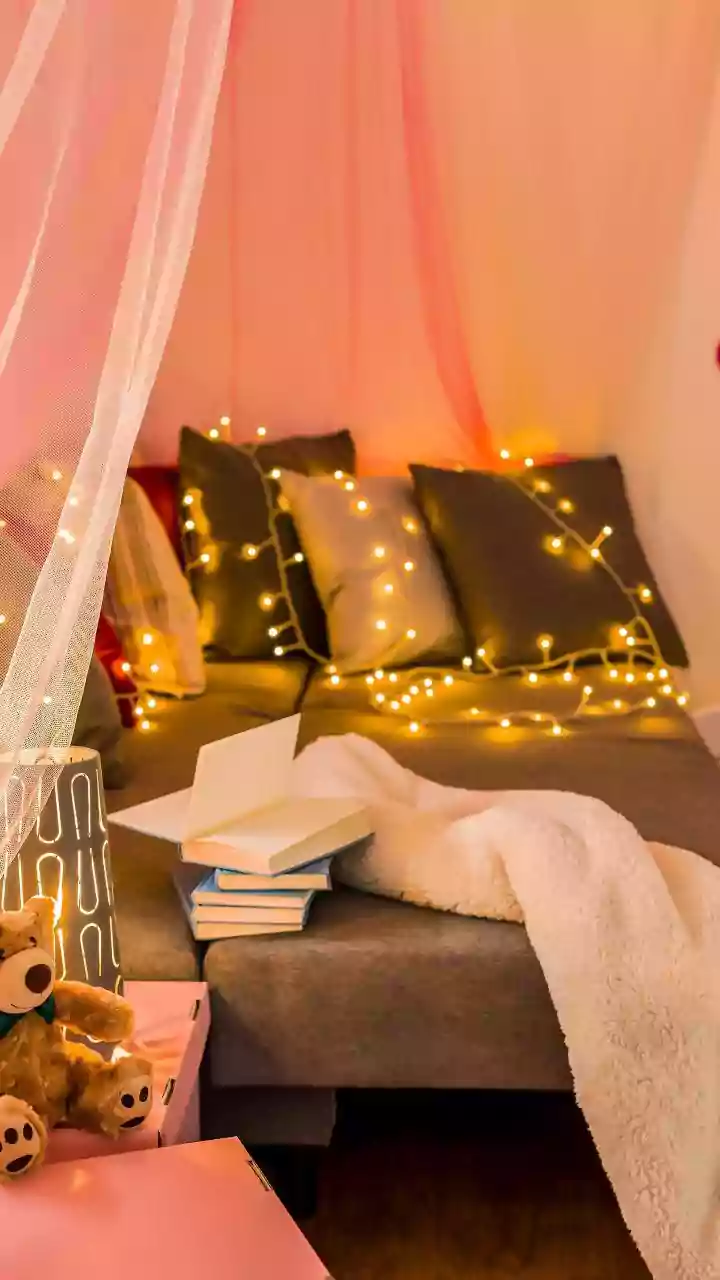
The first lesson from The Den’s adaptability is the power of multi-purpose furnishings. Just as the venue uses modular platforms, our homes can use furniture that works harder. Think of an ottoman that is also a storage chest, a coffee table that lifts to become a dining or work surface, or a daybed that serves as a sofa, guest bed, and reading nook. This isn't about filling a room with clunky, convertible gadgets; it's about choosing pieces that are clever, stylish, and inherently flexible. A beautiful bookshelf can also serve as a room divider, creating a distinct 'zone' without a permanent wall. By selecting items that can play multiple roles, you give your space the ability to transform in minutes.
Lesson 2: Zone with Light, Colour, and Texture
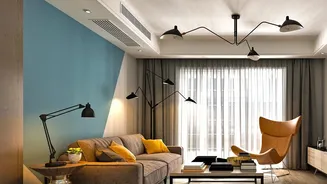
The new Den uses sophisticated lighting to completely change its atmosphere, making a vast space feel intimate or energetic. We can apply the same principle at home. You can define different zones within a single room without building a single wall. Use a distinct rug to anchor a seating area. Paint a nook a different colour to designate it as a workspace. Hang a low pendant light over a table to create a 'dining zone'. These visual cues signal to our brains the purpose of a specific area, allowing a single room to have multiple identities. Layering textures, like a plush rug in a relaxation area and a smooth, hard surface in a craft corner, further enhances this effect, making the space more intuitive and organised.
Lesson 3: Smart Tech for Seamless Transitions
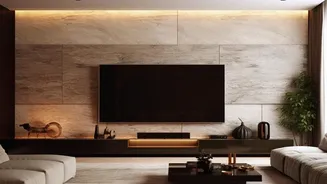
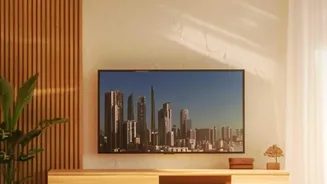
While The Den’s tech is on a grand scale, the principle of tech-enabled adaptability is more accessible than ever. Smart home technology allows a room’s function to change with the press of a button. A projector screen can descend from a hidden ceiling compartment, turning a living room into a cinema. Smart lighting can shift from bright, cool tones for daytime work to warm, ambient light for evening relaxation. Even smart speakers and automated blinds contribute, helping to set a mood or transition the room from public to private. This integration of technology isn't about creating a futuristic, sterile environment; it's about adding a layer of unseen, effortless functionality that makes the space work better for you.