



A Taste of Tradition Reimagined
In cities across India, a quiet revolution is taking place in cafes and health-conscious eateries. Ancient recipes, once confined to village kitchens and family traditions, are being rediscovered and celebrated. At the forefront of this movement is Ambali,
a traditional fermented porridge from South India, particularly Karnataka. Long cherished as a farmer’s breakfast and a cooling summer beverage, this rustic drink is now finding a new audience among urbanites seeking authentic, nutrient-dense foods. This resurgence isn’t just about nostalgia; it’s part of a larger wellness wave where the wisdom of our ancestors is being validated by modern nutritional science.
What Exactly Is Ambali?
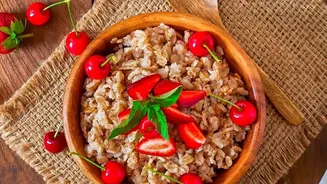
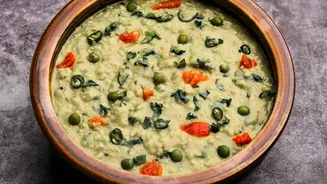
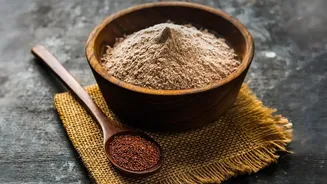
At its core, Ambali is a simple, nourishing gruel made from finger millet, known as ragi. The preparation involves mixing ragi flour with water to create a slurry, which is then cooked and allowed to ferment, often overnight in an earthen pot. This natural fermentation process gives the drink its characteristic slightly sour taste. It’s a versatile beverage that can be served sweet with jaggery or, more commonly, savoury. The savoury version is typically mixed with buttermilk or curd, salt, and sometimes finely chopped onions, green chillies, and herbs, transforming it into a refreshing and fulfilling drink.
The Nutritional Power of Ragi
The foundation of Ambali’s health benefits lies in its main ingredient: ragi. Finger millet is a nutritional powerhouse, naturally gluten-free and packed with essential nutrients. It is one of the best plant-based sources of calcium, crucial for maintaining strong bones and preventing osteoporosis. Ragi is also rich in iron, which helps combat anaemia, and dietary fibre, which aids in digestion and promotes a feeling of fullness, potentially assisting in weight management. Furthermore, its low glycemic index helps in regulating blood sugar levels, making it a suitable food for individuals with diabetes.
The Magic of Fermentation
What elevates Ambali from a simple porridge to a superfood is the fermentation process. When the ragi mixture ferments, it becomes a rich source of probiotics—beneficial bacteria that are essential for a healthy gut. A thriving gut microbiome is linked to improved digestion, a stronger immune system, and better overall health. Fermentation also breaks down anti-nutrients like phytic acid present in the grain. This is crucial because it significantly enhances the bioavailability of minerals like calcium and iron, meaning the body can absorb them more effectively than from unfermented ragi. This process also increases the content of certain B vitamins.
From Summer Cooler to Wellness Star
Traditionally, Ambali has been valued for its cooling properties, making it a perfect antidote to India’s scorching summer heat. Its high water content helps with hydration, while Ayurvedic principles consider ragi a food that helps balance excess body heat. This combination of hydration, probiotics, and easily digestible nutrients is precisely why modern wellness advocates and cafe owners are embracing it. In a world saturated with processed drinks, Ambali offers something genuine: a natural, functional food that cools, nourishes, and heals. It represents a shift towards local, sustainable ingredients and traditional food preparation methods that have stood the test of time.