






Look for the License
Before you even sit down, look for the FSSAI license or registration certificate. Regulations mandate that all eateries must display this certificate prominently at the entrance or billing counter. Some establishments may also have a QR code that links
to their food safety details. While this certificate is a basic requirement, its visible presence is the first sign that the restaurant is accountable to food safety laws. More cities are also introducing hygiene rating systems, where restaurants are graded from A to D based on inspection scores. Soon, you may be able to check these grades before deciding where to dine.
Trust Your First Impression
The overall cleanliness of the dining area is often a reflection of the kitchen's state. A recent survey revealed that nearly 80% of diners' biggest concern is dirty kitchens, dining areas, or washrooms. Pay attention to the floors, tables, and general upkeep. Are the floors sticky? Are tables wiped clean? Unpleasant odours, such as stale oil or garbage, instead of the aroma of fresh food, are a significant red flag. The presence of flies, cockroaches, or other pests in the dining area is a clear warning sign of a potential infestation that could also affect the kitchen.
The Restroom Is a Telltale Sign
A poorly maintained restroom is one of the strongest indicators of a restaurant's overall attitude towards hygiene. If management neglects the cleanliness of an area customers can see, it raises serious questions about the unseen kitchen. Check for basic provisions like running water, soap, and clean towels or a hand dryer. Overflowing dustbins, dirty floors, and a general lack of maintenance in the washroom suggest that similar or worse conditions may exist where your food is being prepared.
Observe the Staff's Hygiene
The people handling your food are a critical link in the safety chain. FSSAI guidelines require food handlers to maintain high standards of personal hygiene. Look for staff in clean uniforms, with hair properly covered by caps or nets. They should not be wearing excessive jewellery, which can trap dirt and bacteria. Watch how they work. Do they handle money and then touch food without washing their hands? Do they use separate utensils for raw and cooked items? Poor personal hygiene among staff was a violation noted in 53% of diner observations in a recent survey.
Examine Your Table and Food
Once seated, take a closer look at what's on your table. Cutlery should be clean and polished, not greasy or stained. Condiment bottles shouldn't be sticky or crusted over. When your food arrives, use your senses. Does it look and smell fresh? Inspections have frequently found restaurants using stale ingredients, rotten vegetables, and improperly stored meat. Be particularly cautious with salads and raw garnishes, as they aren't cooked to kill bacteria. Hot food should be served hot, and cold food should be served cold—improper temperatures are a major cause of foodborne illness. If anything seems off, it is better to be safe and address it.
Common Violations Uncovered
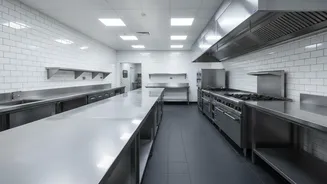
Recent inspections across cities like Hyderabad, Mumbai, and Bengaluru have exposed a pattern of violations even at high-end eateries. Common issues include storing raw and cooked food together, leading to cross-contamination; cockroach and rodent infestations; using expired products; and maintaining kitchens with greasy floors, open dustbins, and stagnant water. Some kitchens lacked hot water for sanitising utensils, and many stored prepared food items without proper labels detailing their contents or preparation date. These findings underscore why a diner's vigilance is so important.