





A Packed Calendar of Stars
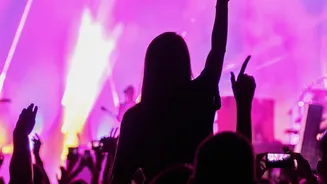
The year 2026 has been a landmark for Indian music lovers. The concert season has been relentless, with major global names making their way to stages across the country. Rock legends Guns N' Roses returned for stadium shows in Bengaluru and Guwahati,
while electronic music fans saw performances from superstars like Calvin Harris and the much-anticipated debut of Fred again... The year also saw Lollapalooza India solidify its position as a cultural anchor, with Linkin Park headlining its fourth edition in Mumbai. The sheer volume and variety are unprecedented, with artists like Khalid, The Chainsmokers, and John Mayer also scheduling multi-city tours, proving this is more than a fleeting trend. Even iconic bands like the Foo Fighters have slated their India debut, marking a significant moment for the country's rock music fans. This constant stream of A-list talent confirms that India is no longer an afterthought but a primary stop for global tours.
The Forces Driving the Boom
So, what changed? The current concert boom is fueled by a perfect storm of factors. Post-pandemic, there's a huge pent-up demand for live experiences. More importantly, India's audience has evolved. A massive youth population, with rising disposable income and global exposure through streaming platforms, has made its presence felt. Artists and promoters can now see the data—India is consistently among the top streaming markets for many global acts. This digital engagement translates directly into a willingness to buy tickets. Promoters like BookMyShow Live and Sunburn, often in partnership with global giants like Live Nation, have become more aggressive and sophisticated. They are no longer just selling tickets; they are producing world-class events, building fan communities, and proving that India is a viable, profitable market.
The Festival Anchor Effect
Large-scale music festivals have been a game-changer. Events like Lollapalooza India have become anchor points in the global touring calendar. By securing a major festival headliner, promoters create a reason for artists to travel to the region. This makes it economically viable to add standalone arena shows in other Indian cities before or after the festival date. Lollapalooza’s success, drawing an estimated 65,000 attendees in 2026, demonstrates a sustainable demand. This festival effect extends beyond the headliners, giving a platform to a diverse range of international and domestic artists, and turning the event itself into a travel destination. Fans now travel from all over the country, creating a mini-tourism boom around the festival weekend in cities like Mumbai.
More Than Just Pop and Rock
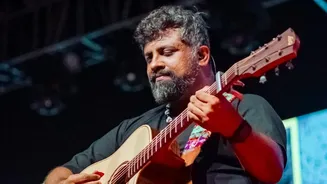
While the arrival of pop and rock royalty grabs headlines, the real story is the growing diversity of the music on offer. The touring circuit now includes everything from electronic and hip-hop to indie and hard rock. Polish guitarist Marcin and British artist Fred again.. both mounted successful tours in 2026, catering to specific but passionate fanbases. Festivals dedicated to specific genres are also thriving. Ziro Festival of Music in Arunachal Pradesh continues to be a haven for independent music, while boutique events like Magnetic Fields in Rajasthan blend electronic music with heritage tourism. This demonstrates a maturing market where fans are eager to explore beyond mainstream chart-toppers, and promoters are confident enough to invest in niche genres. The expansion is also geographical, with cities like Shillong, Guwahati, and Hyderabad becoming regular stops, proving the appetite for live music extends well beyond the metros.
Building the Industry's Backbone
Bringing a massive international tour to India is a logistical feat. For years, the lack of world-class venues and production infrastructure was a major barrier. That is rapidly changing. Promoters like BookMyShow Live are making significant investments in their own top-tier staging equipment, the kind used by global acts like The Rolling Stones and U2. This reduces reliance on importing gear and streamlines production, making multi-city tours more feasible. Furthermore, there is a push for more predictable regulations. Moves towards a single-window clearance system for large events, as seen in Maharashtra, are crucial for providing the stability that international promoters need to plan tours months or even years in advance. This behind-the-scenes work is the unglamorous but essential foundation of the current live music explosion.