



Beyond the Basic Light Bulb
For decades, home lighting had two simple jobs: be on or be off. Maybe you had a dimmer switch if you were fancy. But a new generation of technology, known as smart ambient lighting, is transforming light from a simple utility into an active part of your
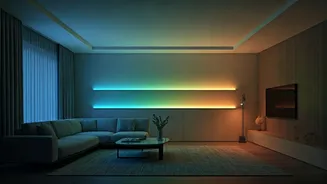
home’s decor and atmosphere. This isn’t just about a single, color-changing bulb in a lamp. It’s about creating an immersive experience using a network of lights—often including LED strips behind a TV, light bars flanking a monitor, or custom wall panels—that work in concert to wash a room in dynamic, customizable color. The goal is to make your environment feel less static and more in tune with what you’re doing, whether that’s watching a movie, hosting a party, or settling in with a good book.
So, How Does It 'Read' Your Mood?
The headline promise of lighting that matches your mood sounds like science fiction, and in a way, it is. These systems can't telepathically know you’ve had a tough day. Instead, they cleverly use technology to follow your lead. The primary method is through a smartphone app. Leading systems from brands like Philips Hue, Govee, and Nanoleaf come with pre-programmed “scenes” labeled with moods or activities like “Relax,” “Concentrate,” or “Energize.” Selecting one adjusts the color, temperature, and brightness of all connected lights to a palette designed to evoke that feeling. Some advanced systems can even use your phone’s camera to sample colors from a favorite photo and replicate that vibe in your room, while others sync with on-screen content, mirroring the vibrant chaos of a video game or the cool blues of an ocean documentary in real time.
The Gentle Power of Color Psychology
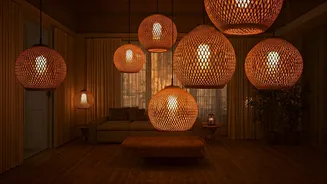
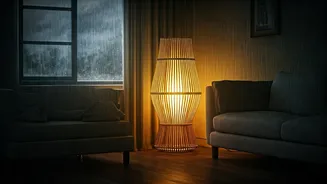
The effectiveness of these mood-based presets isn't magic; it’s rooted in the basic principles of color psychology. While not a hard science, it’s widely understood that colors have the power to influence our feelings and energy levels. It’s the reason spas are often decorated in soft greens and blues, and why fast-food logos frequently use stimulating reds and yellows. Smart lighting harnesses this. A “Focus” scene might use a cool, bright white light, similar to natural daylight, which has been shown to improve alertness. A “Wind Down” or “Cozy” setting will likely lean on the warm, gentle tones of an amber or orange glow, mimicking a sunset or a fireplace, which can promote relaxation and signal to your brain that it’s time to rest. You’re not just changing a color; you’re curating your own psychological cues.
More Than Just Static Colors
The real game-changer in ambient lighting is its dynamic nature. Instead of just switching from blue to red, many systems offer scenes where the lights subtly shift and move. Think of a “crackling fireplace” effect where ambers and oranges gently flicker, or a “Nordic aurora” that slowly breathes between greens and purples. This movement adds a layer of life to a room that a static color can’t match. Furthermore, many systems can sync with music, pulsing and changing color to the beat of your playlist—a feature that can turn any living room into an instant party space. This ability to be dynamic, whether for relaxation or entertainment, is what elevates ambient lighting from a novelty into a core component of a modern smart home.
Getting Started: What to Consider
Diving into ambient lighting is more accessible than ever, but it’s worth thinking through a few things first. Start by considering the ecosystem. Committing to one brand, like Philips Hue, often provides the most seamless experience, as all the products are designed to work together. Next, think about form factor. Do you want to start simple with a few smart bulbs? Or are you looking for the high-impact effect of light strips for backlighting or geometric wall panels like those from Nanoleaf? Finally, there's budget. A starter kit with a couple of bulbs and a hub can be relatively affordable, while outfitting an entire room with advanced light bars and panels can be a significant investment. The best approach is often to start small in one room, see how you like it, and expand from there.