







What Is Gut Health, Really?
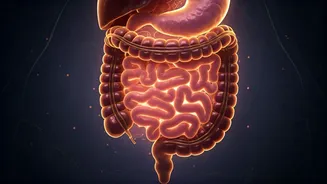
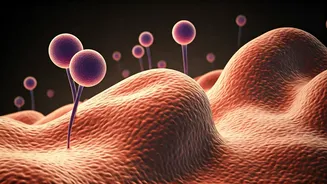
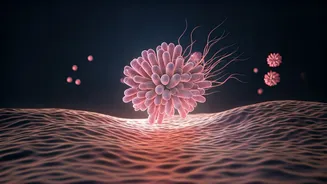
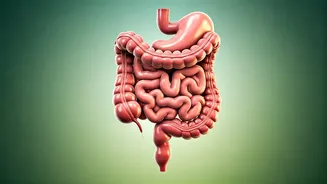
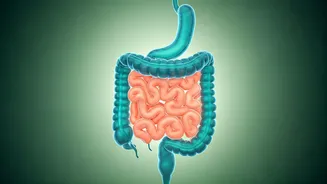
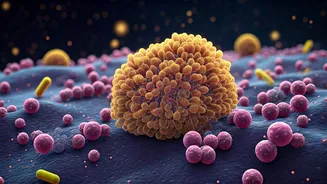
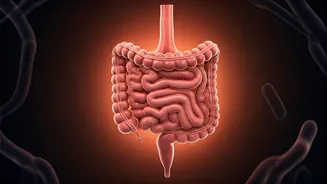
At its core, gut health refers to the balance of microorganisms that live in your digestive tract. Think of your gut as a bustling city populated by trillions of microbes—bacteria, fungi, and viruses—collectively known as the gut microbiome. In a healthy
gut, there's a diverse and balanced population of these tiny residents. They help you digest food, absorb nutrients, produce essential vitamins, and protect you from disease-causing invaders. When people talk about 'bad' gut health, they're often referring to an imbalance, a condition called dysbiosis, where harmful bacteria start to outnumber the beneficial ones. This can lead to digestive issues like bloating and gas, but its effects can be felt far beyond your stomach.
The Gut-Brain Connection
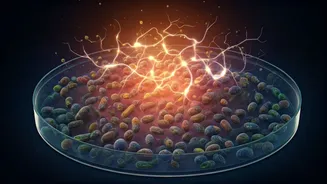
One of the most fascinating reasons gut health has become so popular is the discovery of the 'gut-brain axis'. This is a two-way communication highway between your digestive system and your brain. Have you ever felt 'butterflies' in your stomach when you're nervous? That's the gut-brain axis in action. The microbes in your gut can produce neurotransmitters, including serotonin (the 'happy chemical') and dopamine, which influence your mood, stress levels, and even cognitive function. An unhealthy gut can send stress signals to the brain, while a healthy gut can support mental well-being. This link is a major shift in understanding how interconnected our bodies truly are, moving beyond treating digestion in isolation.
Why Is Everyone So Obsessed Now?
The conversation around gut health has exploded for a few key reasons. Firstly, scientific research has rapidly advanced, giving us a clearer picture of the microbiome's role in overall health. Secondly, there's a growing cultural shift away from treating symptoms and towards holistic wellness and prevention. People are looking for root causes of their health issues, from fatigue to skin problems, and the gut is often a central piece of that puzzle. This has been amplified by social media, where wellness influencers and health experts share information—and sometimes misinformation—about probiotics, fermented foods, and gut-friendly diets, making it a mainstream topic.
More Than Just Digestion
The influence of your gut microbiome extends far beyond digestion and mood. A staggering 70-80% of your immune system is located in your gut. A healthy microbiome helps 'train' your immune cells to distinguish between friend and foe, which is crucial for fighting off infections. Emerging research also links gut health to skin conditions like acne and eczema, autoimmune diseases, heart health, and weight management. While many of these links are still being studied, it's clear that nurturing your gut is one of the foundational pillars of maintaining overall health, much like getting enough sleep or staying active.
Simple Ways to Support Your Gut
Improving your gut health doesn't require expensive supplements or extreme diets. It starts with simple, consistent habits. The most important step is to eat a diverse, fibre-rich diet. Your gut microbes thrive on fibre from fruits, vegetables, whole grains, and legumes. Incorporate probiotic-rich foods, which contain live beneficial bacteria. In India, we're lucky to have many traditional options like dahi (yoghurt), lassi, idli, and dhokla. Also, don't forget prebiotics—the food for your good bacteria—found in things like onions, garlic, and bananas. Beyond diet, managing stress, getting regular exercise, and prioritising sleep are all proven ways to support a happy, healthy gut.