




The Modern Urban Gardening Dilemma
The desire to connect with nature has spurred a massive interest in houseplants and home gardening among city dwellers. For millennials navigating compact apartments and demanding careers in cities like Mumbai, Delhi, and Bengaluru, this presents a unique
challenge. Finding the space is one thing, but finding the time and expertise is another. The most common reasons for failure are often simple: inconsistent watering, lack of adequate sunlight, and choosing the wrong plants for a busy lifestyle. Many have felt the sting of investing in a beautiful plant only to watch it struggle, leading to a cycle of guilt and the belief that they simply lack a 'green thumb'.
The Science of 'Set-It-and-Forget-It'
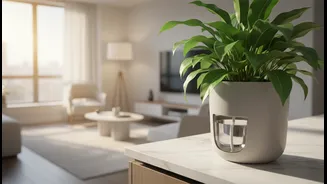
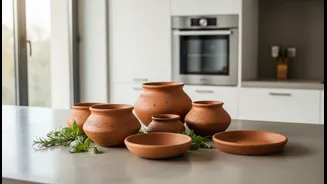
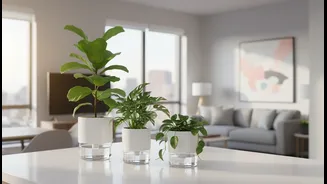
Enter the self-watering capillary pot. This isn't just a container with a plate underneath; it's an intelligent system designed to mimic how plants naturally access water. The design consists of a main growing pot and a water reservoir below. A wicking system, often a simple rope or a column of absorbent soil, connects the two. Through a natural process called capillary action, the wick draws water upwards from the reservoir into the soil as the plant needs it. This allows the plant to regulate its own water intake, taking exactly what it requires, when it requires it, eliminating the dangerous guesswork for the owner.
Freedom from the Watering Can
For a generation juggling long work hours, social commitments, and travel, the biggest benefit is time. A self-watering pot can keep a plant perfectly hydrated for a week or even longer, depending on the pot's size and the plant's needs. This means no more daily checks of soil moisture and no more panic before a weekend trip. It provides the freedom to enjoy the aesthetic and wellness benefits of having plants without being tethered to a rigid watering schedule, a major selling point for those with dynamic, unpredictable lifestyles.
Solving the #1 Plant-Killer: Overwatering
More indoor plants are killed by kindness than neglect. Overwatering is the most common mistake made by new plant parents, leading to root rot, a fungal disease that thrives in waterlogged soil with no oxygen. Self-watering systems elegantly solve this. Because the main soil chamber is separate from the water reservoir, the roots are never sitting in stagnant water. The soil only draws up the moisture it needs, keeping it consistently damp but never saturated. This ensures roots get the vital oxygen they need to thrive and promotes healthier, deeper root growth as they reach down toward the water source.
A Smarter, More Sustainable Choice
These pots are also an environmentally conscious choice. By delivering water directly to the roots from a covered reservoir, water loss through surface evaporation is drastically reduced. This method is inherently water-efficient, which is a growing concern for environmentally aware consumers. Furthermore, because water isn't constantly flowing through the soil and out the bottom, valuable nutrients are not leached away as quickly. This means less frequent fertilising is required, saving money and reducing waste.
Perfect for a Rented, Portable Life
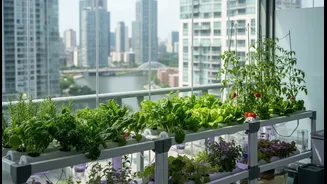
Millennials are often part of a rental culture, moving apartments as their careers and lives evolve. Self-watering pots are self-contained systems, perfect for this transient lifestyle. There are no messy overflows from top-watering, which means no risk of damaging floors or furniture—a key consideration in a rented space. They are easy to move and manage, allowing renters to build a significant green collection that can move with them without hassle, from a small window sill setup to a full-fledged balcony garden.