



What is Biophilic Design?
At its heart, biophilic design is based on the idea that humans have an innate need to connect with nature. The term 'biophilia' literally means 'love of life'. In interior design, this translates to creating environments that bring the outdoors in. This
is more than just a fleeting trend; it's a philosophy for creating healthier, more harmonious living spaces. By integrating elements like natural light, plants, and organic materials, this design approach helps reduce stress, improve well-being, and make our homes feel like a sanctuary from the urban grind.
More Than Just Potted Plants
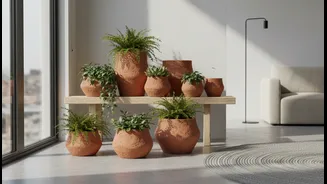
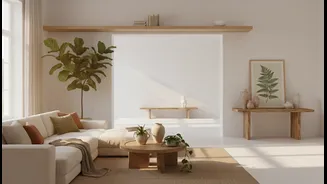
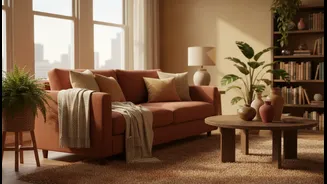
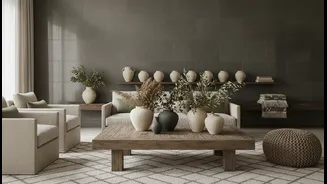
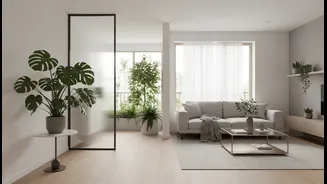
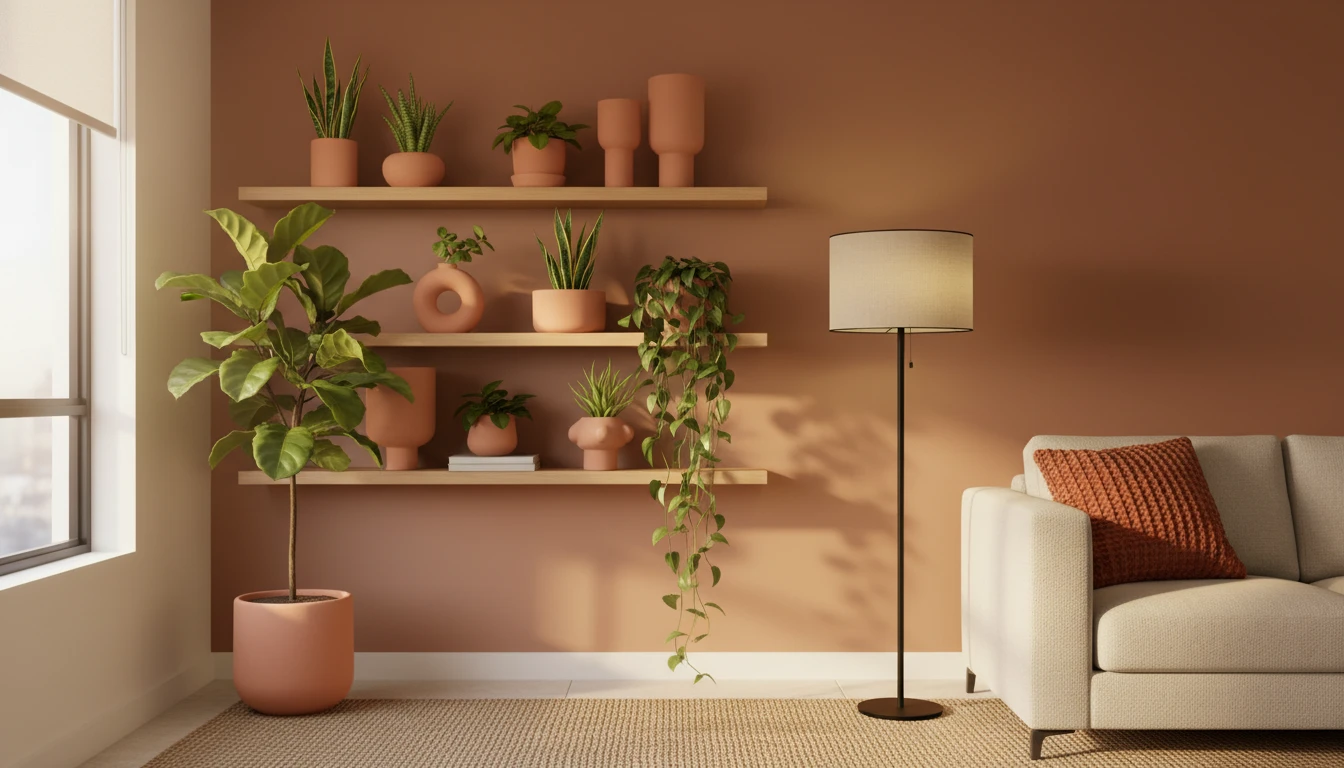
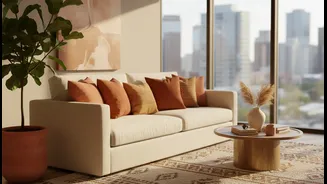
The key to a successful biophilic apartment is balance. It’s not about turning your flat into a dense, impassable jungle. Instead, it’s a thoughtful integration of nature with minimalist principles. The goal is to have clean lines, clear surfaces, and a layout that allows for easy movement. Greenery should act as a focal point, not as clutter. By keeping the overall colour palette neutral with shades of white, beige, or soft earth tones, the vibrant green of your plants stands out, creating a serene and uncluttered aesthetic. Every element should feel intentional, contributing to a sense of calm and order.
Choosing Your Greenery Wisely
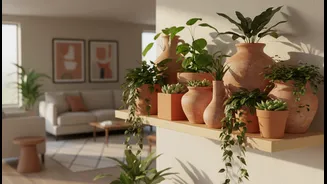
In an apartment, especially in the Indian climate, selecting the right plants is crucial. Opt for low-maintenance varieties that thrive indoors. The Snake Plant, for instance, is a popular choice as it grows vertically, tolerates low light, and needs infrequent watering. The ZZ Plant is another resilient option, known for its glossy leaves and ability to survive in shade. Money Plants (Pothos) are incredibly versatile and can be trained to trail from shelves, saving precious floor space. For a touch of elegance, the Peace Lily can bloom indoors with minimal sunlight. These plants not only add beauty but also help purify the air.
Embrace Natural Materials and Textures
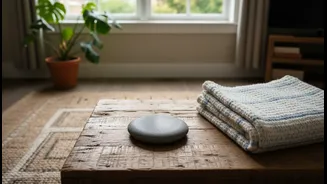
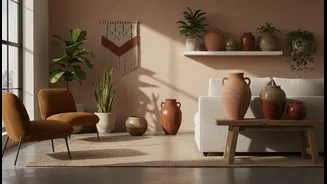
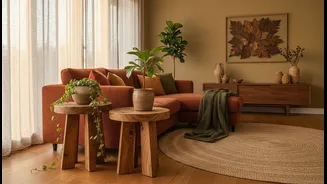
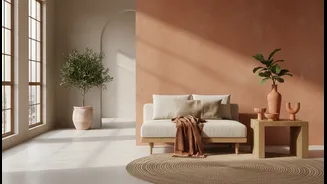
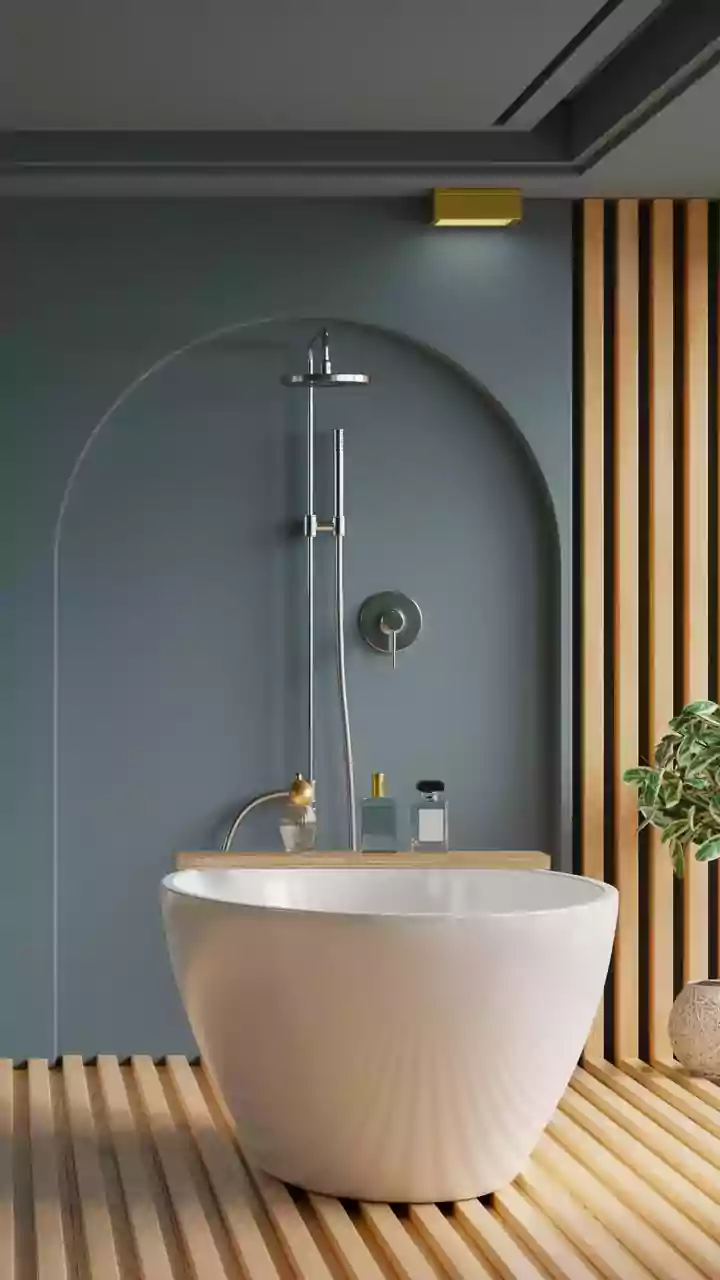
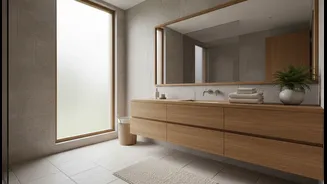
Biophilic design extends beyond living plants to the very materials that furnish your space. Incorporating natural textures adds warmth, depth, and a tactile connection to nature. Think of furniture made from wood or bamboo, a jute rug underfoot, or curtains made from linen or cotton. These materials are not only sustainable but also help create a multisensory experience. A room with varied textures—the smoothness of stone, the softness of wool, the grain of wood—feels more dynamic and engaging than a space filled with flat, artificial surfaces.
Maximise Light and Flow
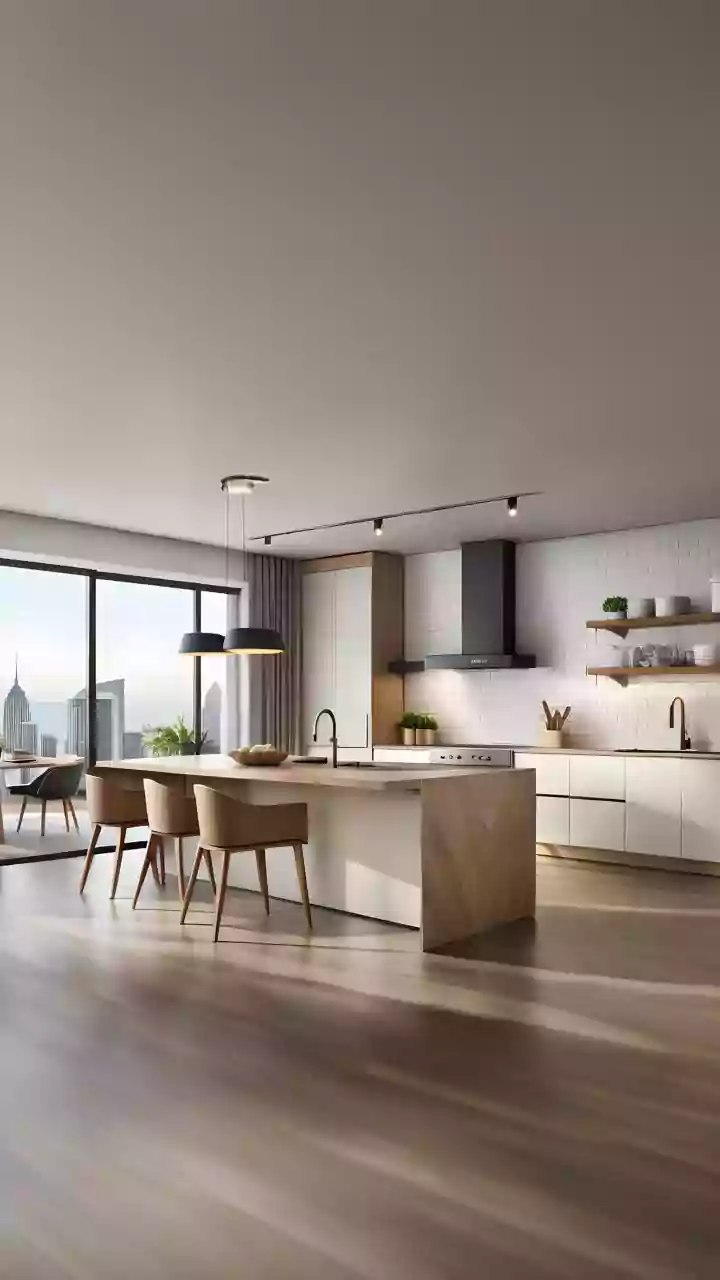
Natural light is a cornerstone of biophilic design. It helps regulate our internal clocks, boosts mood, and makes any space feel more open and inviting. To maximise daylight in an apartment, keep windows unobstructed and use sheer curtains that diffuse light without blocking it. Mirrors can be strategically placed to reflect light into darker corners of a room. Just as important is the flow of the space. Arrange furniture to create clear pathways. Vertical gardens or hanging planters are excellent solutions for small apartments, allowing you to add lush greenery without taking up valuable floor space, ensuring your home remains easy to navigate.