

In the modern Indian kitchen, the debate between trendy superfoods and traditional staples is constant. Two top contenders are quinoa and lentils. But one is a seed used like a grain, and the other a pulse. Let's settle the score.
Grain, Pulse, or Imposter?
First, let's clear up
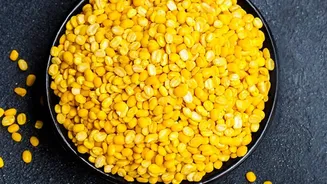
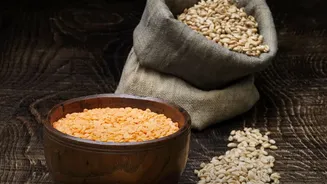
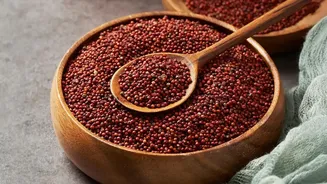
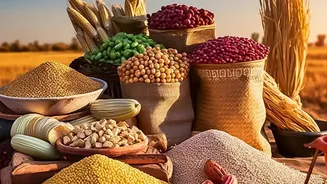
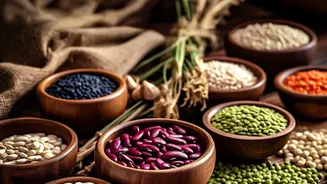
the confusion. Lentils (dal) are straightforward: they are pulses, which are the edible seeds of plants in the legume family. They are a cornerstone of Indian cuisine and have been for centuries. Quinoa, however, is a bit of a pretender. While we cook and eat it like a grain such as rice or barley, it's botanically a 'pseudocereal'. This means it's actually the seed of a flowering plant that's more closely related to spinach and beets than to wheat. So, the headline is right—it’s a choice between a pulse and something that acts like a grain.
The Nutritional Showdown
This is where things get interesting. Per cooked 100g, lentils are the undisputed champion in several key areas. They pack roughly 9 grams of protein and an impressive 7-8 grams of dietary fibre. In comparison, cooked quinoa offers about 4.4 grams of protein and 2.8 grams of fibre for the same amount. Lentils also generally lead in crucial minerals like iron and folate, which is vital for energy and cell formation. However, quinoa has a famous trick up its sleeve: it’s a 'complete protein'. This means it contains all nine essential amino acids your body can't produce on its own, something rare in the plant world. Lentils are high in protein but are 'incomplete', lacking sufficient amounts of one amino acid, methionine. But this is easily solved the way Indians have always done it—by pairing dal with rice or roti, which creates a complete protein meal.
The Glycemic Index and Energy
The glycemic index (GI) measures how quickly a food raises your blood sugar levels. Both quinoa and lentils perform well here, making them great choices for sustained energy and for individuals managing blood sugar. However, lentils have a clear edge with a very low GI of around 32-37. Quinoa’s GI is higher at about 53, which is still considered low but gives lentils the advantage for a slower energy release. The high fibre content in both, especially in lentils, helps to keep you feeling full for longer, which can aid in weight management.
In the Kitchen: Versatility and Taste
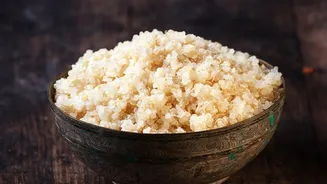
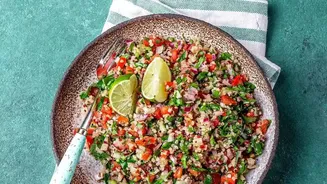
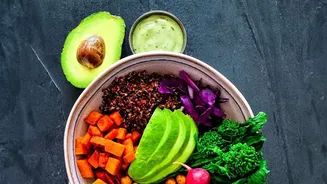
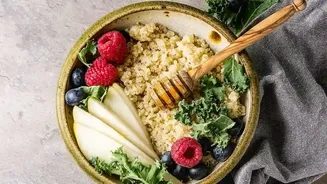
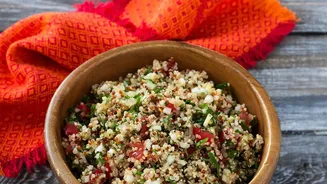
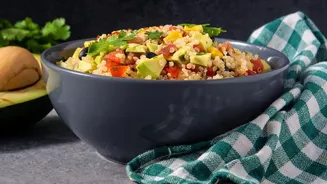
In an Indian kitchen, lentils are the versatile workhorse. They are the foundation for countless dals, sambars, khichdis, and soups. They absorb flavours beautifully and can break down to become creamy or hold their shape depending on the variety. Quinoa has a milder, nuttier flavour and a fluffy, slightly chewy texture. It's an excellent gluten-free substitute for rice, couscous, or millets. It works wonderfully in salads, upmas, and pilafs, and can even be used in breakfast porridges. One key step with quinoa is to rinse it thoroughly before cooking to remove its natural bitter coating, called saponins.
The Price Tag: Your Wallet Decides
For most Indian households, this is the deciding factor. Lentils are incredibly affordable and widely available, with prices for common varieties like toor or masoor dal often ranging from ₹70 to ₹120 per kilogram. Quinoa, once an expensive import, has become more common but remains a premium product. Its price can range from ₹200 to over ₹400 per kilogram, making it several times more expensive than lentils. From a pure 'nutrition-per-rupee' perspective, lentils are the undeniable winner, offering more protein and fibre for a fraction of the cost.