







More Than Just Rain
To understand India’s monsoon food obsession, you first have to understand the monsoon itself. It’s not just a rainy season; it’s a cultural and emotional event. After months of oppressive, triple-digit heat, the arrival of dark clouds, cool breezes,
and torrential downpours brings a profound sense of relief and renewal. The drop in temperature changes everything. Windows are thrown open, the dusty landscape turns a vibrant green, and people feel a pull to gather and celebrate. This celebration is intrinsically tied to food—specifically, dishes that are hot, savory, and deeply nostalgic. It's a national mood, and that mood is hungry for tradition.
The Reign of Fried Delights
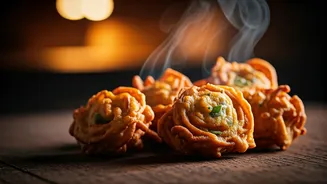
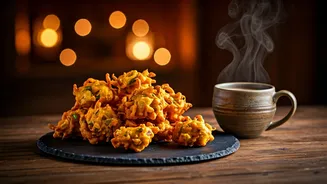
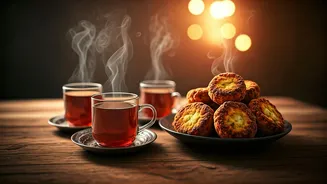
When the skies open up, the fryers turn on. The quintessential monsoon snack is the pakora, a category of fritter that can be made with anything from sliced potatoes and onions to spinach and paneer, all dipped in a spiced chickpea flour batter and deep-fried to golden perfection. Served piping hot, often with a mint-coriander chutney, their crispy texture and savory warmth are the perfect antidote to the damp chill in the air. Alongside them are their famous cousins, samosas—flaky pastry pockets filled with spiced potatoes and peas. While available year-round, there’s a special magic to huddling indoors and sharing a plate of these fried treasures as rain streaks down the windowpanes. This season, home cooks and street vendors alike are reporting a renewed demand for these simple, timeless classics over more complex fare.
A Steaming Cup of Chai
Chai is the fuel that runs India, but during the monsoon, it becomes something more: a ritual. The act of brewing masala chai—black tea simmered with milk and a fragrant blend of spices like cardamom, ginger, cloves, and cinnamon—fills the home with an intoxicating aroma. The ginger, in particular, is prized for its warming properties, believed to ward off colds that can come with the damp weather. A cup of hot, sweet, spicy chai is the mandatory companion to a plate of pakoras. It’s the centerpiece of conversations that last for hours while the rain drums on the roof. It’s not just a beverage; it’s a hug in a mug, enjoyed from roadside stalls and in family living rooms with equal fervor.
Street-Side Roasted Corn
If there is one image that defines the monsoon on the streets of India, it's a vendor fanning hot coals under a makeshift umbrella, roasting corn on the cob. Known as bhutta, this isn't the sweet, buttery corn you might find at a U.S. state fair. It’s a heartier, less sweet variety, roasted directly over embers until it’s lightly charred and smoky. The real magic happens afterward, when the vendor rubs the hot cob with a mixture of salt, chili powder, and a generous squeeze of lime juice. The combination of smoky, spicy, and tangy flavors, eaten while walking in the light drizzle, is a sensory experience that’s tied directly to the season. It’s simple, elemental, and utterly satisfying.
A Return to Roots
This year's monsoon season feels different. After a period of embracing global food trends and elaborate restaurant experiences, there’s a palpable swing back toward these humble, traditional comfort foods. Social media feeds are filled not with elaborate tasting menus, but with pictures of homemade pakoras and steaming cups of chai. It’s a “rediscovery” in the sense that people are finding new joy in old habits. This isn't about novelty; it's about authenticity. It’s a collective craving for the familiar, for the tastes that connect people to their childhoods, their families, and the comforting, predictable rhythm of the seasons.