






The Numbers on Your Plate
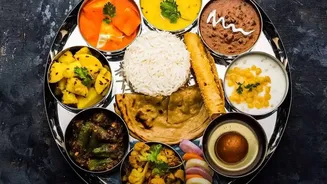
It’s not just a feeling; the data shows that preparing vegetarian food has become more expensive. According to a September 2026 report by CRISIL, the cost of a home-cooked vegetarian thali shot up by 10% year-on-year. This is significantly higher than
the 6% increase seen for non-vegetarian thalis. The main culprits are staple ingredients that form the backbone of Indian vegetarian cooking. Onion prices, for example, surged by a staggering 89% year-on-year due to tight supplies and production declines. Similarly, prices for rice and vegetable oils have also seen notable increases. These rising baseline costs for raw materials create a ripple effect, impacting everything from household budgets to restaurant menus.
A Squeeze on Restaurants
Restaurants are caught in a perfect storm of rising costs that go far beyond just ingredients. In major metro cities, operating expenses are relentlessly climbing. Commercial rents in hubs like Mumbai and Delhi have been increasing annually, while labour and energy costs are also on the upswing. Disruptions in the supply of commercial LPG cylinders have also put immense pressure on kitchens, sometimes forcing them to scale back operations or even temporarily shut down. Furthermore, policy changes, such as the removal of the Input Tax Credit (ITC) under the GST regime for many restaurants, have increased their operational cost base, forcing many to adjust menu prices upwards to protect their thin profit margins. One industry report noted that restaurant services saw 9.4% inflation, driven by these mounting pressures.
The 'Gourmet-ification' of Veg Food
Parallel to rising costs, the vegetarian dining scene itself is transforming. Vegetarian food is no longer just seen as a simple, traditional option; it's becoming a star in its own right. A new wave of entrepreneurs is launching slick, modern vegetarian restaurants, including branded chains focused on specific dishes like 'veg biryani'. This has led to a 'gourmet-ification' of plant-based dining. While this innovation brings exciting new options, it also shifts the market towards premium experiences. Diners are increasingly willing to pay more for unique, authentic, and high-quality vegetarian meals, moving beyond just the lowest price. As a result, the perception and pricing of vegetarian food are elevated, sometimes making the simple, budget-friendly meal feel like a relic of the past.
Is the Humble Thali Under Threat?
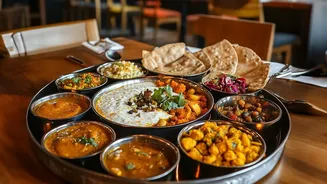
The quintessential affordable meal, the vegetarian thali, finds itself at a crossroads. While CRISIL's analysis focused on home-cooked thalis, the underlying cost pressures affect eateries just as much. Restaurants that have built their reputation on offering unlimited, budget-friendly thalis are finding it harder to maintain their price points. Many have been forced to increase prices or switch to 'limited' thali formats to survive. A quick search on platforms like Justdial for cities like Mumbai shows many 'pure veg thali' restaurants now fall into a moderate price bracket of ₹500 to ₹1000, a significant jump from what they used to cost. However, a few establishments are finding creative ways to keep prices lower, such as offering smaller, more focused thalis for under ₹250.
Where Affordability Still Lives
Despite the undeniable price hikes in restaurants, affordable vegetarian food is far from extinct. The heart of budget-friendly eating in Indian cities has always been its vibrant street food culture. For millions of students, office-goers, and workers, the local vada pav seller, dosa cart, or chaiwala remains an essential and affordable source of daily meals. While even street food vendors have felt the pinch of rising LPG and ingredient costs, with some reporting price increases of up to 25%, they remain the most accessible option for a quick, cheap bite. Similarly, countless local messes, canteens, and small 'darshini' style eateries continue to serve simple, wholesome vegetarian meals at prices that formal restaurants can no longer match. These pockets of affordability are crucial, ensuring that a hearty vegetarian meal remains within everyone's reach.