





Why The Monsoon Demands a Different Diet
The monsoon brings relief from the scorching heat, but it also ushers in humidity, dampness, and a host of water-borne microbes. According to Ayurvedic wisdom, this change in weather weakens our 'Agni' or digestive fire, making us more susceptible to indigestion
and infections. Our metabolism slows down, and the body naturally craves foods that are light, easy to digest, and immunity-boosting. This is why traditional monsoon diets steer clear of heavy, oily, and raw foods, favouring warm, cooked meals instead. The shift to corn, pumpkins, and roots isn't arbitrary; it’s a time-tested strategy to keep our bodies balanced and strong when the environment is challenging.
Corn: The Quintessential Monsoon Snack
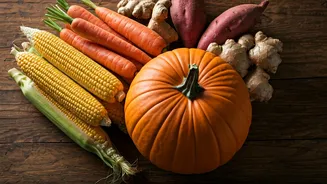
Is there a more iconic image of the Indian monsoon than a street vendor fanning charcoal embers, roasting a cob of corn, or 'bhutta'? The smoky aroma alone is enough to make you hungry. But this beloved snack is more than just a treat. Corn is packed with insoluble fibre, which aids digestion when it's at its most sluggish. It’s also a good source of antioxidants like lutein and zeaxanthin, which are beneficial for eye health. Whether you prefer it roasted and slathered with lemon juice and masala, or boiled and tossed into a salad, corn provides complex carbohydrates that release energy slowly, keeping you feeling full and satisfied without feeling heavy. It’s the perfect, healthful indulgence for a rainy evening.
Pumpkin: Your Immunity-Boosting Friend
Often relegated to the background, the humble pumpkin, or 'kaddu', truly shines during the monsoon. This versatile vegetable is a nutritional powerhouse. It is exceptionally rich in Vitamin A, a crucial nutrient for maintaining a strong immune system and fighting off infections that are common during this season. It's also packed with Vitamin C and beta-carotene, powerful antioxidants that help protect your cells from damage. Its low-calorie, high-fibre nature makes it filling yet light on the stomach. The best part is its adaptability. From a simple, comforting pumpkin soup to a spicy 'kaddu ki sabzi' paired with hot puris or a hearty addition to sambar, pumpkin offers warmth and nourishment in countless delicious forms.
Roots: Grounding and Healing from Below
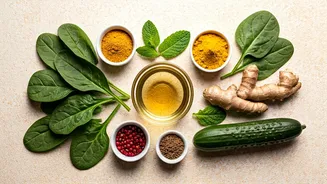
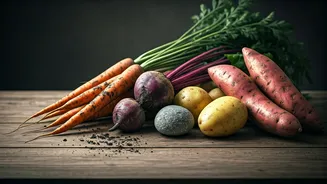
As the name suggests, root vegetables are grounding, providing a sense of stability and warmth that is perfect for the Vata-aggravating monsoon season. This category is a treasure trove of wellness. Ginger and turmeric are perhaps the most important. Ginger is a phenomenal digestive aid, relieving nausea and bloating, while its anti-inflammatory properties help soothe sore throats. Turmeric, with its active compound curcumin, is a potent antiseptic and immunity modulator. Beyond these spices, vegetables like sweet potatoes ('shakarkandi') and yams ('suran') are excellent choices. They provide complex carbohydrates for sustained energy and are rich in vitamins and fibre. Roasting or steaming them brings out their natural sweetness and makes them a perfect, healthy comfort food.
Cooking Smart for the Season
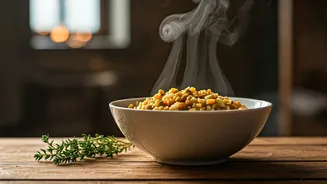
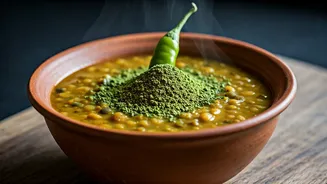
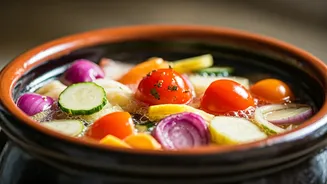
How you prepare your food is just as important as what you eat. During the monsoon, opt for cooking methods that make food easier to digest. Steaming, boiling, grilling, and roasting are your best friends. These methods preserve nutrients without adding excess oil, which can burden your digestive system. Soups and broths are particularly beneficial; they are hydrating, warming, and an excellent way to pack in a variety of vegetables and spices. Think of a hot bowl of vegetable soup infused with ginger and black pepper, or a simple dal tempered with turmeric and asafoetida. These simple culinary shifts can make a huge difference in how you feel throughout the season.