







A Natural Immunity Shield
The rainy season is notorious for a spike in infections like the common cold, flu, and other viral fevers. The high humidity creates a breeding ground for germs, putting your immune system under pressure. Fortunately, monsoon produce is naturally equipped
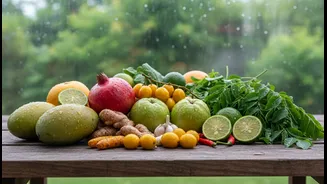
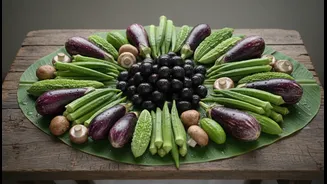
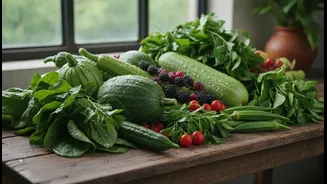
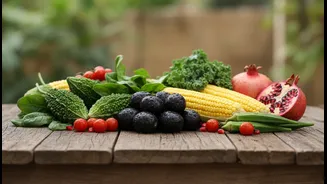
to help. Fruits like jamun, litchi, and plums are rich in Vitamin C, a powerful antioxidant that helps strengthen your body's defence mechanisms. Jamun, or the Indian blackberry, is particularly beneficial as it aids digestion and contains iron, which is crucial for a strong immune system. Vegetables like bitter gourd (karela) and beetroot also play a key role. While its taste may be divisive, karela is packed with Vitamin C and antioxidants that help detoxify the body.
Support for Your Digestive System
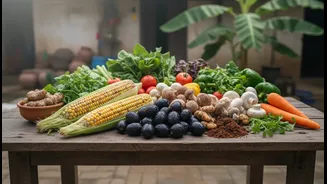
Ayurveda suggests that our digestive fire, or 'agni', is weakest during the monsoon. This makes us susceptible to issues like bloating, acidity, and indigestion. The traditional wisdom is to opt for light, warm, and easily digestible foods. Monsoon vegetables such as bottle gourd (lauki), ridge gourd (turai), and snake gourd fit this description perfectly. They are high in water content and fibre, promoting smooth digestion and preventing constipation. Ayurvedic practices also recommend incorporating digestive spices like ginger, turmeric, and black pepper into meals to support gut health. Eating heavy, fried, or raw foods, including salads, can overburden the digestive system during this sensitive time.
Peak Flavour and Maximum Nutrition
There's a simple reason why a seasonal mango tastes infinitely better than one bought in winter. Produce that is in season is picked at its peak ripeness, when its flavour, texture, and nutritional value are at their highest. Fruits and vegetables that are available off-season are often harvested early and transported over long distances, sometimes thousands of miles. They may be artificially ripened using chemicals and kept in cold storage, which diminishes both their taste and nutrient content. Studies have shown that vitamins and minerals in produce begin to degrade as soon as they are picked, so the less time between the farm and your plate, the better.
Lighter on Your Wallet
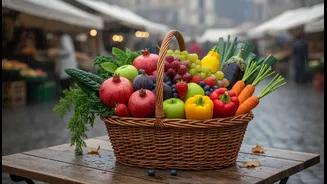
The laws of economics are clearly on display at your local vegetable market. When a fruit or vegetable is in season, it's abundant. This plentiful supply naturally drives down prices, making it a more cost-effective choice for your family. Out-of-season produce, on the other hand, is more expensive because it costs more to grow, transport, and store. By aligning your grocery shopping with the seasons, you can enjoy fresh, high-quality food while also saving money. This allows you to fill your basket with nutritious options without straining your budget.
A Kinder Choice for the Planet
Eating seasonally is not just good for you and your budget; it's also good for the environment. Locally sourced, seasonal food has a much smaller carbon footprint. It doesn't need to be flown or shipped across the country, which significantly reduces transport-related greenhouse gas emissions. Furthermore, supporting local farmers who grow seasonal crops helps promote sustainable agricultural practices that conserve water and protect soil health. When you choose to eat what's growing naturally in your region, you are making a small but meaningful contribution to a more sustainable food system.