





Understanding Your Adversary: Acute Mountain Sickness (AMS)
At high altitudes, the air pressure drops, meaning each breath you take contains less oxygen. Your body needs time to adjust to this change. When you ascend too quickly, you risk developing Acute Mountain Sickness (AMS). Symptoms often mimic a bad hangover:
a persistent headache is the most common sign, often accompanied by dizziness, nausea, fatigue, and loss of appetite. In most cases, these symptoms are mild. However, if ignored, AMS can progress to life-threatening conditions like High-Altitude Pulmonary Edema (HAPE), where fluid collects in the lungs, or High-Altitude Cerebral Edema (HACE), which involves swelling of the brain. The only reliable treatment for worsening AMS is to descend to a lower altitude immediately.
The Highway's Brutal Altitude Gain
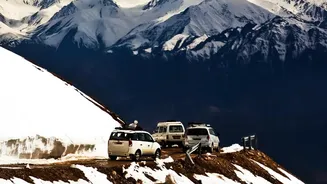
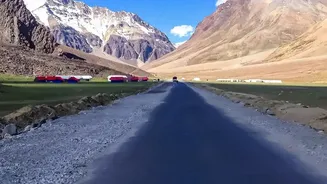
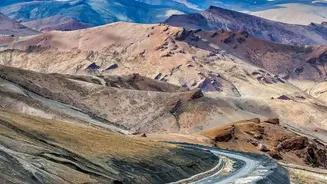
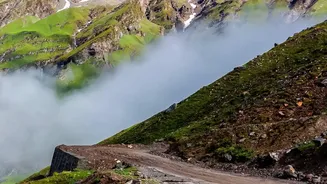
The Manali-Leh highway is notorious for its rapid and significant changes in elevation. Starting from Manali at around 6,725 feet (2,050 metres), the route forces you over several passes in quick succession. The journey involves crossing passes like Baralacha La (16,040 ft), Lachulung La (16,616 ft), and the mighty Tanglang La, which, at 17,480 feet, is one of the highest motorable passes on the route. This relentless upward climb puts immense strain on a body that isn't accustomed to thin air. A common mistake is to think that driving is not exertive, but the physical toll of the journey combined with the altitude gain makes you highly susceptible to AMS. This is why a non-stop, two-day dash is not recommended.
The Golden Rule: Climb High, Sleep Low
The core principle of safe high-altitude travel is acclimatisation—allowing your body to produce more red blood cells to carry oxygen more efficiently. The most effective way to do this is to follow the 'climb high, sleep low' mantra. This means that while you may cross high passes during the day, you should descend to a lower altitude for your overnight stay. Rushing the Manali-Leh journey violates this principle. A mandatory rest day, strategically placed, gives your body the crucial time it needs to adapt. This isn't about physical fitness; even the fittest athletes can suffer from severe AMS if they ascend too quickly. The rest day is a biological necessity.
Your Smart Acclimatisation Itinerary
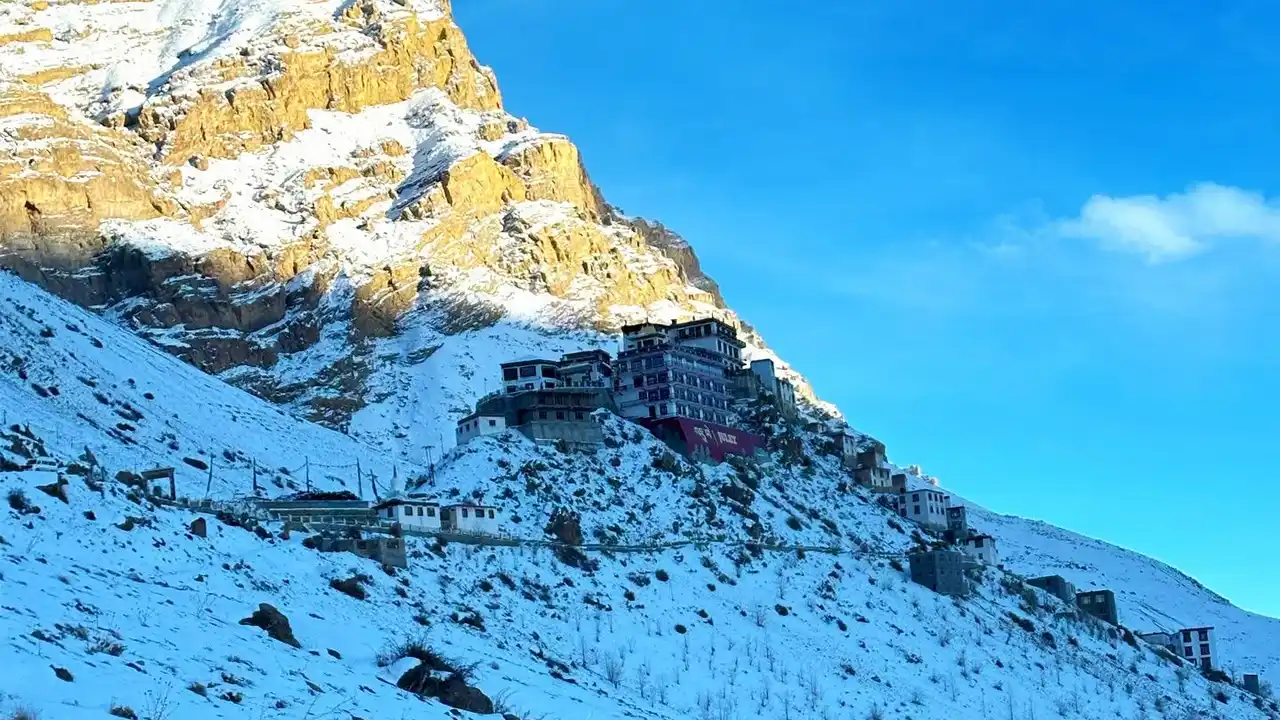
Experienced travellers and medical experts advise breaking the journey into at least three days. The most critical decision is where you spend your first night. While Sarchu (14,070 ft) is a popular midway point, sleeping at such a high altitude on the first night is a major risk factor for AMS. A much safer and highly recommended alternative is to stop at Keylong (10,100 ft) or, even better, Jispa (10,500 ft). Spending the night at this more manageable altitude allows for proper acclimatisation before you tackle the highest passes on the second day. On your second night, you can then push on to Sarchu or Pang before the final drive into Leh (11,500 ft). This gradual ascent significantly reduces your risk of falling ill.
Listen to Your Body: Know the Warning Signs
During your journey, constant self-monitoring is key. Pay attention to headaches, unusual fatigue, or shortness of breath even while resting. Do not dismiss these symptoms as mere travel tiredness. If you or a travel companion feels unwell, stop ascending. Rest, hydrate, and if symptoms don't improve or worsen, descend to the last lower-altitude location where you felt well. Medications like Acetazolamide (Diamox) can help prevent and treat AMS, but they must be taken after consulting a doctor, preferably starting a day or two before you begin your ascent. Carry a basic medical kit, drink plenty of water (3-4 litres a day), and avoid alcohol and smoking, as they can hinder the acclimatisation process.