



Day 1: Pune, the Peshwa Heartland
Begin your journey in Pune, the cultural and political heart of the Maratha Empire during the 18th century. This was the seat of the Peshwas, the powerful Brahmin prime ministers who effectively governed the Maratha confederacy. Start at Shaniwar Wada,
the fortified palace whose grand gates and foundation walls are all that remain after a fire in 1828. Imagine it as the nerve centre of a vast empire. From there, visit the Aga Khan Palace, a site of national importance where Mahatma Gandhi was imprisoned during the Quit India Movement. Day one is about setting the stage, understanding Pune not just as a modern city, but as a capital that shaped Indian history.
Day 2: The Forts of the Sahyadris
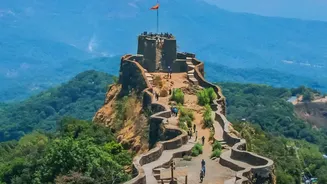
No exploration of Maharashtra is complete without climbing its formidable hill forts. These were the keys to Maratha power, symbols of strategic brilliance and resilience. From Pune, take a day trip to Sinhagad Fort, a name that resonates with valour. Originally called Kondhana, it was renamed 'Lion's Fort' to honour the sacrifice of Tanaji Malusare, who recaptured it in a legendary 1670 battle. As you explore its ramparts and gateways, you’re walking through chapters of military history. These forts, many now part of the 'Maratha Military Landscapes' UNESCO consideration, were not just defensive structures but the very backbone of Shivaji Maharaj's vision of self-rule.
Day 3: Journey to Aurangabad, a Tale of Two Empires
Today, travel from the Maratha heartland to Aurangabad (now Chhatrapati Sambhajinagar), a city that bears the unmistakable imprint of the Mughal Empire. This transition is crucial; it shows the layers of power that shaped the Deccan. Aurangabad was named by the Mughal emperor Aurangzeb, a bitter rival of the Marathas. Visit Bibi Ka Maqbara, a stunning mausoleum commissioned by Aurangzeb's son for his mother, often called the 'Taj of the Deccan'. Its presence tells a story of conquest and competing legacies. Close by, the Daulatabad Fort, a virtually impregnable hilltop fortress, has a history stretching back even further, having served multiple dynasties.
Day 4: Ellora’s Monolithic Marvel
Prepare to be awestruck. The Ellora Caves, a UNESCO World Heritage site just a short drive from Aurangabad, are a testament to centuries of devotion and artistic genius. This complex of 34 caves was carved between the 6th and 10th centuries and remarkably features Hindu, Buddhist, and Jain temples side-by-side, a powerful statement of religious coexistence. The centerpiece, Cave 16, is the Kailasa Temple—the world's largest single monolithic excavation. It wasn't constructed by adding stone but by carving away an entire cliffside from the top down. Standing within it, you feel the sheer ambition and spiritual drive of its creators.
Day 5: The Ancient Artistry of Ajanta
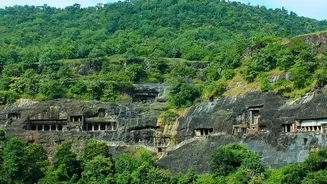
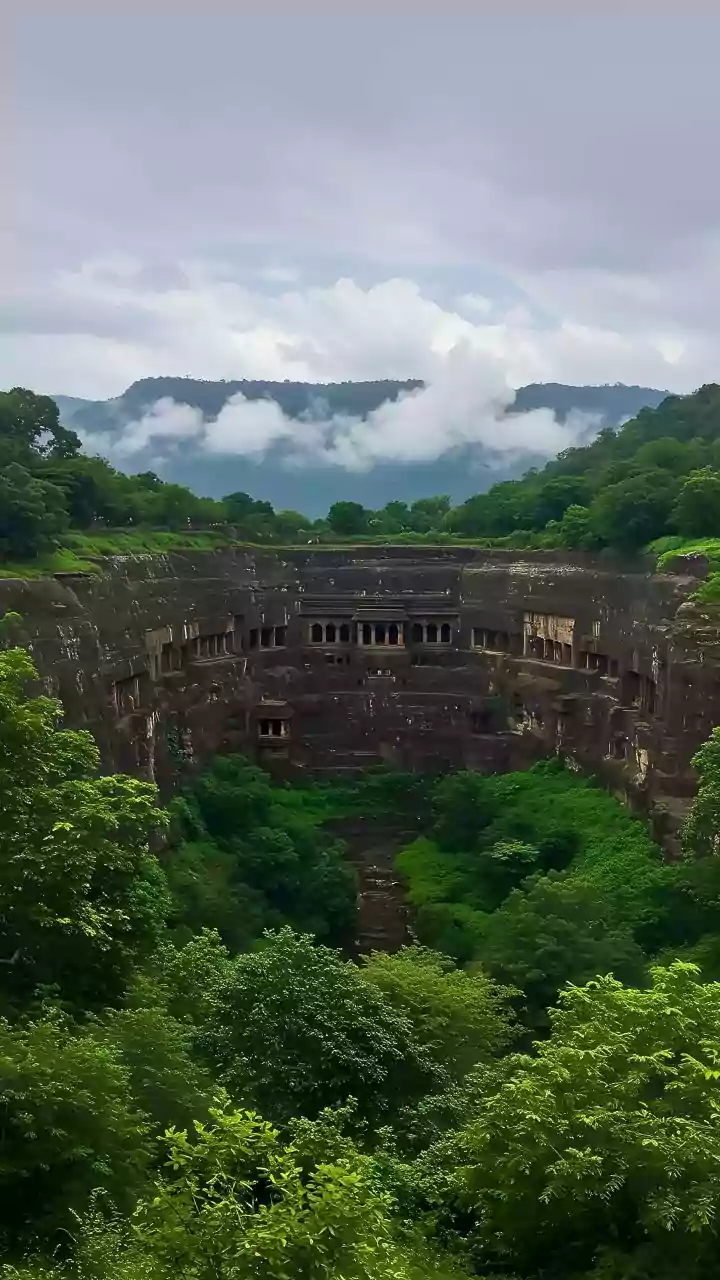
Your final day takes you to the Ajanta Caves, another UNESCO site nestled in a horseshoe-shaped gorge. While Ellora stuns with sculpture, Ajanta captivates with colour. These 30 rock-cut Buddhist caves, created between the 2nd century BCE and the 5th century CE, hold some of the finest surviving examples of ancient Indian painting. The murals depict stories from the Jataka tales, which recount the Buddha's previous lives, offering an incredibly vivid window into the society, clothing, and beliefs of the time. The emotional depth and delicate artistry, preserved for over 1,500 years in dim, quiet chambers, provide a profound final stop on your heritage tour.