





The Old Way of Guessing
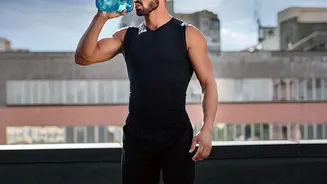
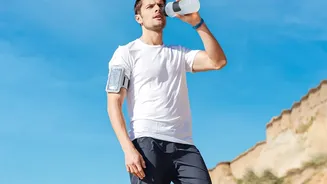
Every fitness enthusiast knows hydration is critical. Even a small drop of just 2% in body fluids can hurt your performance, slow your reaction time, and increase how hard an exercise feels. For decades, the advice has been simple: drink when you're thirsty
and check your urine colour. But there's a problem with these methods—they are often lagging indicators. By the time you feel thirsty, your performance may have already started to decline. Relying on these subjective cues is like driving by only looking in the rearview mirror. It tells you what has already happened, not what’s happening right now or what you need to do next. This guesswork can lead to both underhydration and overhydration, neither of which is ideal for peak performance.
What Are Smart Hydration Patches?
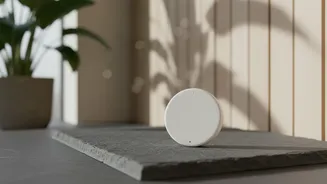
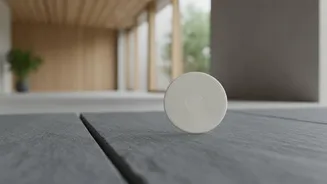
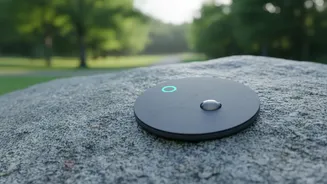
Enter the smart hydration patch. These are small, flexible, single-use wearables that stick to your skin, typically on the forearm or bicep. They are designed to analyze your sweat in real time as you exercise. Think of it as a miniature lab right on your arm. Companies like Epicore Biosystems, which partnered with Gatorade on its Gx Sweat Patch, and others like FLOWBIO and Nix are pioneering this technology. The goal is to move beyond generic hydration advice and provide personalized, actionable insights based on what your body is actually doing during a workout.
How the Technology Works
The magic is in how these patches capture and analyze sweat. Most use a technology called microfluidics, which involves tiny channels that collect sweat as it's produced. As sweat flows through these channels, it triggers color changes that correspond to both your total fluid loss and the amount of electrolytes (like sodium or chloride) you're losing. After your workout, you typically use a smartphone app to scan the patch. The app's algorithms then analyze the colours to provide a detailed sweat profile. Other patches use electronic sensors to get the job done. Some use bioimpedance, which sends a harmless, tiny electrical current through the skin to measure tissue resistance, giving a reading on your hydration level. Many of these sensors can also track skin temperature and motion, adding more context to the data.
Data That Drives Performance
So, what exactly do these patches tell you? Instead of a simple 'drink more water' message, you get specific metrics. The primary outputs are your sweat rate (how much you sweat, often in litres per hour) and your sweat electrolyte concentration (how much sodium you lose in your sweat). This data is then translated by a companion app into a personalized hydration plan. The app might tell you that for a 60-minute run in 30-degree heat, you need to consume 750ml of fluid with a specific amount of sodium to stay properly hydrated. This allows you to replace exactly what you lost, preventing electrolyte imbalances that can lead to cramps and fatigue.
Real-World Benefits for Your Workout
For athletes and fitness enthusiasts, this level of personalization is a game-changer. By understanding your unique sweat profile, you can fine-tune your fluid and electrolyte intake to maintain performance, especially during long or intense sessions. This data-driven approach helps prevent the negative effects of dehydration, such as cardiovascular strain and impaired thermoregulation. It also helps you optimize your recovery. Knowing precisely what you lost allows you to replenish effectively, which can support muscle repair and reduce soreness. Over time, you can build a database of your hydration needs across different activities, intensities, and weather conditions, turning hydration from a guessing game into a science.
The Future of Personalized Fitness
While the technology is impressive, it's important to know it's still evolving. The accuracy of these patches has been validated in several studies, showing strong correlation with traditional lab methods, but factors like proper patch adhesion are critical for good results. The Gx Sweat Patch, for example, can become unadhered in about 2-5% of cases in low-contact sports and a bit more often in high-contact sports. Despite this, the convenience and real-world applicability are undeniable. As the technology improves and potentially integrates tracking for other biomarkers like stress hormones or metabolic indicators, these patches could become an even more powerful tool for health and wellness. They represent a major step forward in making lab-grade insights accessible to everyone looking to get the most out of their bodies.