



Understanding America's “Monsoon” Season
First, let's clear up the term. The U.S. does have a true monsoon season, primarily affecting the Southwest from July through September, bringing much-needed rain. However, the spirit of “monsoon eating” applies to much of the country during late summer.
For regions like the South, East Coast, and Midwest, August and September mean high humidity and frequent thunderstorms. This sticky, wet weather can be tough on fresh produce, accelerating spoilage and mold. The key is to know what’s at its peak and how to store it properly, so your fruit haul doesn’t turn into a science experiment overnight.
Embrace Stone Fruits: Plums, Peaches, and Nectarines
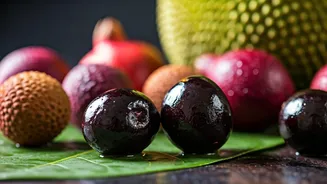
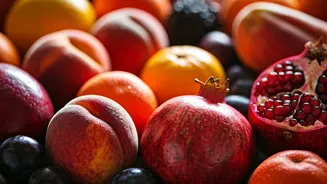
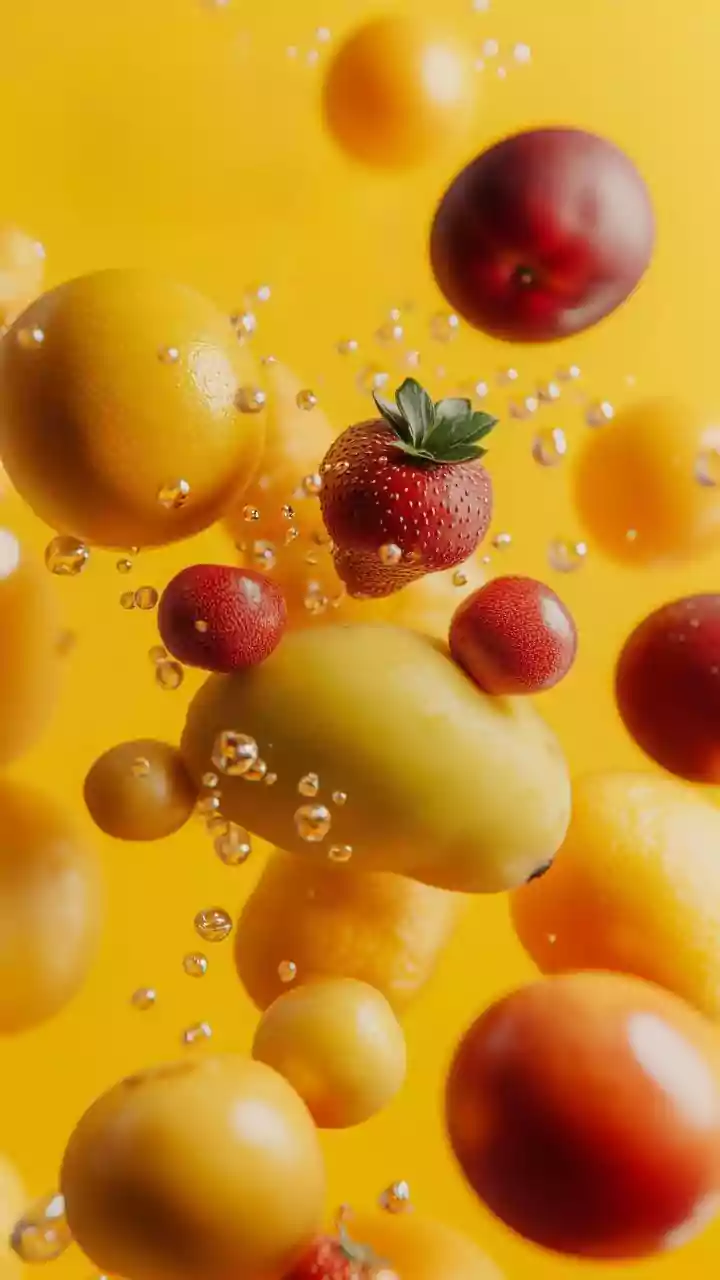
Late summer is the grand finale for stone fruits, and they are absolutely glorious right now. Plums, with their deep, jewel-toned skins, offer a perfect balance of sweet and tart. Peaches and nectarines are dripping with juice, embodying the last lazy days of the season. Their sturdy skins offer some protection against the ambient moisture, but you still need to be selective. **Shopping tip:** Look for fruit that feels heavy for its size and gives slightly when pressed near the stem. Avoid anything with mushy spots or wrinkled skin, as high humidity will cause these to decline quickly. Store them on the counter to ripen, but once they’re perfect, move them to the fridge to slow down the ripening process.
Go For Melons: Nature's Hydration
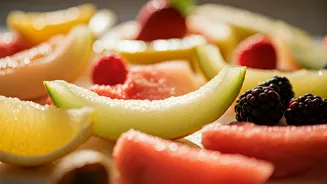
Watermelons, cantaloupes, and honeydews are built for hot, humid weather. Their thick rinds are nature’s perfect packaging, protecting the sweet, hydrating flesh inside from the elements. They are at their absolute peak of sweetness and availability in late summer. A slice of cold watermelon on a steamy afternoon is one of life’s simple pleasures. **Shopping tip:** A good watermelon should have a prominent, creamy-yellow “field spot” where it rested on the ground, and it should sound deep and hollow when you tap it. For cantaloupes, the best indicator is smell; it should have a sweet, fragrant aroma at the stem end.
Discover Figs: A Fleeting, Luxurious Treat
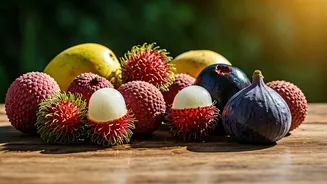
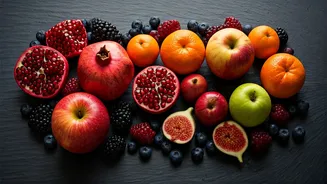
The brief fig season is one of the culinary highlights of the transition from summer to fall. These delicate, honey-sweet fruits have a very short shelf life, which makes them a prime candidate for careful handling in humid weather. Because they don't ripen after being picked, what you buy is what you get. They are a perfect pairing for cheeses, prosciutto, or just eating on their own. **Shopping tip:** Look for figs that are soft and plump, with no signs of bruising or splitting. They should smell mildly sweet. Buy them the day you plan to eat them, or store them in the coldest part of your refrigerator in a single layer for no more than two days.
Welcome Early Apples: A Crisp Preview of Fall
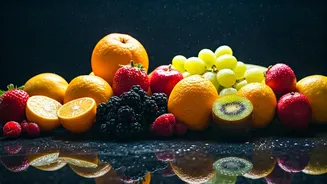
While we associate apples with crisp autumn air, many early-season varieties like Gala, Honeycrisp, and Ginger Gold are harvested in late August and September. These apples offer a welcome crunch and a sturdier alternative to softer summer fruits. Their firm flesh and thick skin make them far more resilient to the effects of high humidity and less prone to quick spoilage on your counter. **Shopping tip:** Choose apples that are firm to the touch and free of bruises or soft spots. Unlike peaches or pears, they won't soften to ripen, so the texture you buy is the one you'll eat.
Smart Storage in Humid Weather
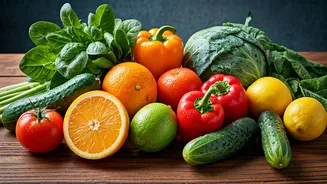
The biggest challenge during a damp season is preventing mold and rot. A few simple rules can save your fruit. 1. **Don’t Wash Until You Eat:** Washing fruit and then letting it sit adds excess moisture, which is a welcome mat for mold. Keep it dry until just before consumption. 2. **Give Them Space:** Don’t pile fruit high in a bowl. Spread it out on the counter or in the fridge to allow for air circulation. This prevents one piece of fruit from spoiling the bunch. 3. **Use the Fridge Strategically:** Soft fruits like berries, figs, and fully ripe peaches should go straight into the fridge. Hardier fruits like apples and melons can stay on the counter until cut. Once sliced, all fruit should be refrigerated in an airtight container.