
The Soul of the Stone Grinder
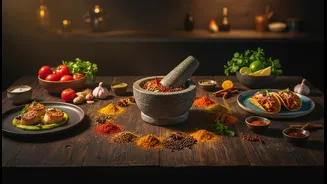
For centuries, the rhythmic sound of a 'sil batta' or 'ammi kallu'—a flat stone slab and a cylindrical rolling stone—was a staple of Indian kitchens. This traditional tool is used to manually crush and grind fresh ingredients like ginger, garlic, coconut,
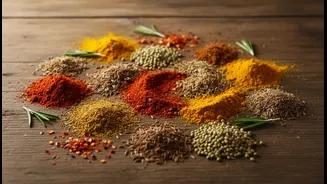
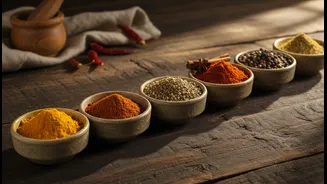
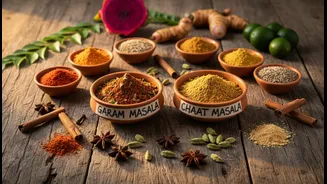
and whole spices into a vibrant, moist paste. Unlike modern electric grinders that use high-speed blades, the stone grinder is a slow, deliberate process. It’s a technique that chefs and home cooks argue is not just about nostalgia, but about superior flavour. As a new generation of chefs and bakers looks to revive forgotten culinary traditions, this humble stone tool is finding its way out of the past and into the heart of modern gastronomy.
Why Stone-Ground Pastes Win on Flavour
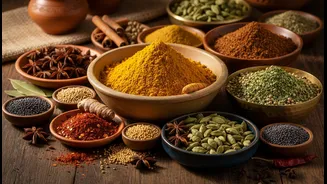
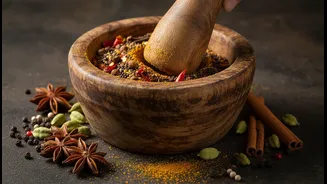
The magic of stone-grinding lies in its gentle, low-heat process. High-speed metal blades in electric mixers generate significant heat from friction. This heat can degrade or evaporate the delicate volatile oils within spices, which are the very source of their aroma and complex flavour. Stone grinding, by contrast, crushes and pounds the spices slowly, rupturing the cell walls and releasing their essential oils without burning them off. The result is a paste with a more intense, nuanced, and authentic flavour profile. Furthermore, the texture is different. While machines create a fine, uniform powder, stone grinding produces a paste with slight variations in particle size, allowing flavours to release at different stages during cooking and baking.
From Curries to Crusts and Crumbs
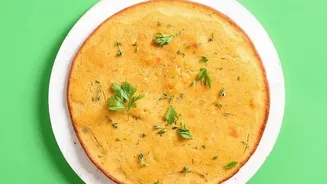
This renewed appreciation for stone-ground pastes is inspiring a wave of creativity in urban bakeries, a space traditionally dominated by European flavours. Instead of just sprinkling dry masala powders, innovative bakers are incorporating these wet spice pastes directly into their doughs and batters. Imagine a sourdough loaf streaked with a fragrant ginger-garlic-chilli paste, or savoury muffins swirled with a freshly ground coriander and mint masala. These pastes infuse the entire bake with a deep, integrated flavour that dry spices struggle to match. The moisture in the paste also affects the crumb, making for incredibly tender results in items like spiced buns, flaky puffs, and savoury biscuits. We're seeing everything from masala-spiced focaccia to buns perfect for vada pav, all elevated by this traditional technique.
A Bridge Between Tradition and Modernity
This trend is more than just a culinary trick; it represents a larger cultural movement. Urban chefs and bakers in India are increasingly looking inward, finding inspiration in the country's vast and diverse culinary heritage. By integrating a technique like stone grinding into a modern format like baking, they are creating products that feel both innovative and deeply rooted. It connects diners to a sense of place and history, offering a taste that is both comforting and excitingly new. This fusion isn’t about gimmicks but about a genuine curiosity for the science and soul of old-world methods. It proves that the path to future flavours sometimes leads directly through the kitchens of our grandparents.