







Why Humidity Changes Everything
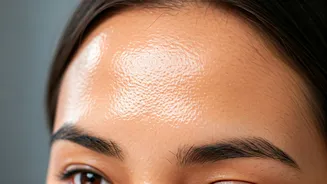
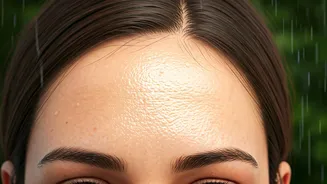
When humidity levels rise, the moisture in the air can signal your skin’s sebaceous glands to produce more oil. This excess sebum, combined with sweat and environmental pollutants, creates a perfect breeding ground for bacteria and fungi, leading to clogged
pores, acne, and other skin irritations. Conditions like eczema and folliculitis can also flare up. High humidity can also disrupt your skin's natural barrier function. This is why that thick winter cream suddenly feels heavy and greasy, and why you might be noticing more breakouts than usual. Your skin isn't just getting wet; its entire environment has changed, requiring a strategic shift in care.
Cleanse Gently, But Thoroughly
The first step in managing monsoon skin is effective cleansing. The goal is to remove the extra oil, sweat, and grime without stripping your skin's protective barrier. Over-washing or using harsh, drying cleansers can backfire, causing the skin to produce even more oil to compensate. Instead, switch to a gentle, pH-balanced cleanser. Gel-based or light foaming formulas are excellent choices, especially for those with oily or acne-prone skin. Consider cleansers with ingredients like salicylic acid if you're prone to breakouts, as it helps dissolve oil and keep pores clear. For a deeper clean in the evening, especially if you wear makeup or sunscreen, a double cleanse starting with a light oil or balm can effectively remove buildup.
Embrace Lightweight Hydration
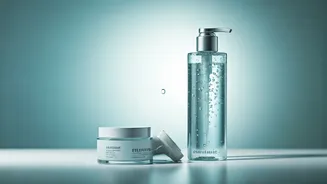
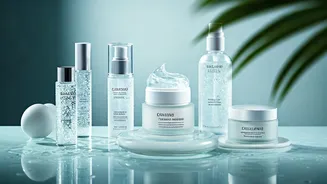
It’s a common mistake to skip moisturiser when your skin feels oily or the air feels damp. However, all skin needs hydration. The key is to switch from heavy, occlusive creams to lightweight, non-comedogenic formulas that won't clog your pores. Look for gel, gel-cream, or water-based moisturisers. Key ingredients to seek out are hyaluronic acid, which draws moisture into the skin for lightweight hydration, and niacinamide, which is a superstar for controlling oil and minimising the appearance of pores. These formulations provide the necessary moisture to keep your skin barrier healthy without adding a greasy, heavy feel.
Sunscreen is Still Non-Negotiable
Don't let the cloud cover fool you; up to 80% of the sun's harmful UV rays can penetrate through clouds. Skipping sunscreen on a rainy or overcast day is one of the biggest skincare mistakes. Sun exposure remains a primary cause of premature aging, hyperpigmentation, and skin damage, regardless of the season. During the monsoon, the challenge is finding a sunscreen that doesn't feel sticky or heavy. Opt for gel-based, matte-finish, or water-resistant formulas. These modern formulations provide broad-spectrum protection without contributing to the greasy feeling that can be common in high humidity.
Incorporate Targeted Treatments
The rainy season is an ideal time to incorporate or adjust your use of active ingredients. Gentle exfoliation becomes crucial to prevent the buildup of dead skin cells and keep pores from clogging. Instead of harsh physical scrubs, consider chemical exfoliants with AHAs (like lactic acid) or BHAs (salicylic acid) once or twice a week. Serums containing niacinamide can help regulate sebum production and strengthen the skin barrier. Vitamin C serums are also beneficial, offering antioxidant protection against environmental stressors like pollution, which can be trapped by humid air. For an extra deep clean, using a clay mask with kaolin or bentonite once a week can help absorb excess oil and purify pores.