







Embrace the Hardy Gourds
During the rainy season, vegetables that grow on climbers are often considered safer choices as they have less contact with waterlogged soil. Gourds like lauki (bottle gourd), turai (ridge gourd), and parwal (pointed gourd) are monsoon staples for a reason.
Rich in water content and dietary fibre, they are light on the digestive system, which can be sluggish during humid weather. These vegetables are also packed with essential nutrients like Vitamin B and C, helping to keep you hydrated and healthy. They are incredibly versatile and can be used in everything from simple subzis and soups to dals.
Opt for Peelable, Vitamin-Rich Fruits
Nature provides the perfect fruits to boost immunity during this season. Opt for fruits with thick, peelable skins like pomegranates, bananas, and pears. Jamun, the quintessential monsoon fruit, is rich in iron and Vitamin C, which helps boost immunity and fight infections. Pomegranates are loaded with unique antioxidants that possess anti-viral properties, while pears are high in fibre, which aids digestion. Other great choices include peaches and plums, which are rich in antioxidants and vitamins that help maintain skin health and fight inflammation.
Harness the Power of Roots and Spices
Your spice box is a treasure trove of wellness, especially during the monsoon. Ginger, garlic, and turmeric are celebrated for their powerful anti-inflammatory and antibacterial properties. Adding fresh ginger to your tea can help soothe a sore throat and improve digestion. Turmeric, with its active compound curcumin, is a potent immunity supporter, making turmeric milk a comforting and healthy beverage for rainy days. Spices like black pepper, cloves, and ajwain (carom seeds) also aid digestion and provide a warming effect, making them perfect additions to your monsoon meals.
Don't Forget Corn on the Cob
The sight and smell of roasted bhutta, or corn on the cob, is synonymous with the Indian monsoon. This seasonal superstar is more than just a nostalgic snack; it's a healthy one too. Corn is a good source of fibre and essential nutrients. It's a fantastic, filling snack that can help curb cravings for fried, unhealthy foods. Enjoy it roasted on an open flame with a squeeze of lime and a sprinkle of salt and chilli powder for a classic monsoon experience.
Be Mindful with Leafy Greens
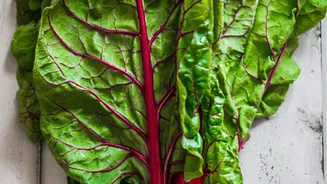
While leafy greens like spinach are nutrient powerhouses, the monsoon is a time for extra caution. The high humidity and dampness create a perfect breeding ground for microbes, which can contaminate them. If you choose to buy leafy greens, ensure they are from a trusted source. They must be washed thoroughly, preferably in warm water, and cooked properly before consumption to kill any potential germs. When handled with care, they can provide a valuable dose of iron and vitamins A and C to strengthen your immune system.
Rely on Pulses and Lentils
Pulses are a pantry essential year-round, but they are particularly beneficial during the monsoon. Lentils like moong dal are excellent because they are light, easy to digest, and a great source of plant-based protein. Including a variety of dals and pulses in your diet ensures you get a steady supply of protein and fibre. These are crucial for maintaining energy levels and supporting gut health when the weather can make you feel lethargic. Storing them in airtight containers is key to preventing them from absorbing moisture from the damp air.