





The Enduring Reign of Filter Kaapi
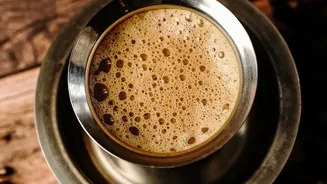
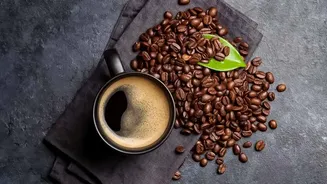
In the landscape of Indian beverages, South Indian filter coffee, or 'kaapi', holds a legendary status. It’s a ritual, a comfort, and a cultural cornerstone. Served in a traditional dabarah and tumbler, this dark, potent brew—often blended with chicory
for body and a distinct bitterness—is the familiar fuel for millions. Alongside it, instant coffee powders have dominated kitchen shelves for decades, prized for their sheer convenience in a fast-paced world. For a long time, these two were the undisputed champions of coffee consumption, deeply woven into the fabric of daily life from Chennai to Coorg. This was the established order: a coffee culture built on tradition and speed.
A New Brew in Town
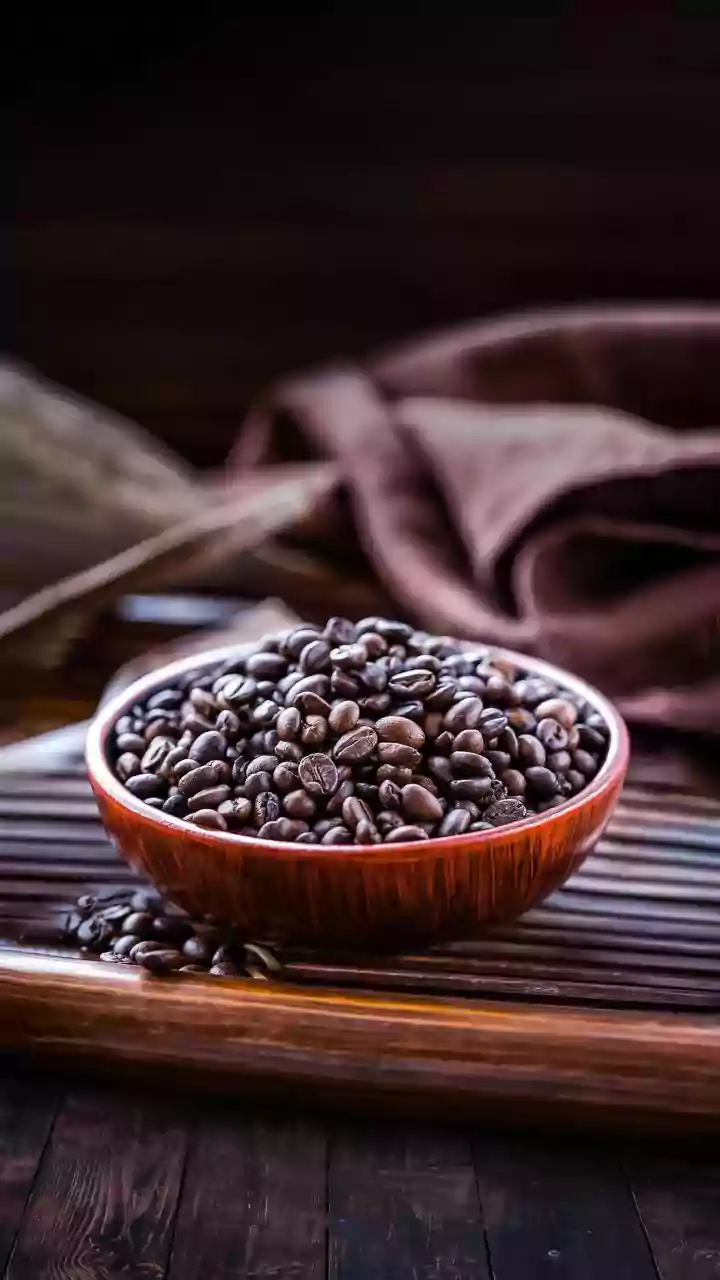
Now, a different kind of coffee is capturing the attention of a younger, more curious demographic: single-origin specialty coffee. Unlike traditional blends that prioritise consistency, single-origin coffee celebrates the unique character of beans from one specific farm, estate, or region. This approach, often called the "third wave" of coffee, treats the bean as an artisanal product, much like wine. The focus shifts to terroir—the soil, climate, and altitude—which imparts distinct tasting notes ranging from jasmine and citrus to dark chocolate and ripe plum. It’s a move away from the bold, uniform taste of kaapi and towards a complex world of flavour profiles, brewing methods, and transparency.
The Anatomy of a Shift
This movement isn't happening in a vacuum. It is fuelled by a confluence of factors. Increased global exposure has introduced a generation of Indians to international café culture, creating a more discerning palate. Younger consumers, particularly Millennials and Gen Z, are increasingly seeking authenticity, quality, and a story behind what they consume. They want to know where their beans come from, who grew them, and how they were processed. This desire for transparency extends to ethical and sustainable sourcing, with labels like Fair Trade and Rainforest Alliance becoming significant considerations. Cafés in cities like Bengaluru and Chennai have become educational hubs, where baristas explain brewing techniques like pour-overs and AeroPress, turning a simple drink into a craft experience.
More Than Just a Drink
For these young enthusiasts, a cup of coffee is a statement of identity and lifestyle. Choosing an artisanal brew over a mass-market brand is a reflection of personal taste and values. The modern cafés sprouting up across South India's urban centres are more than just places to get a caffeine fix; they have become 'third places' between home and work. With aesthetic interiors and reliable Wi-Fi, they function as community hubs, remote offices, and social stages. Ordering a single-origin pour-over is not just about the taste; it's about participating in a modern, global culture while also, in many cases, supporting local Indian estates.
From Bean to Cup: The Rise of Local Roasters
This surging demand has catalysed a vibrant domestic ecosystem of growers and roasters. High-quality beans that were once exclusively for export are now being celebrated within India. Brands like Blue Tokai, Third Wave Coffee, and a host of smaller roasters are working directly with estates in traditional coffee-growing regions like Chikmagalur, Coorg, and the Nilgiris. They are making single-origin Indian coffee accessible, often shipping freshly roasted beans directly to consumers' homes. This has fostered a home-brewing renaissance, with enthusiasts investing in grinders, scales, and various brewing gadgets to perfect their cup, turning their kitchens into personal cafés.