





Why Your Flight Ticket Costs a Fortune
The primary culprit behind the surge in airfares is the rising cost of Aviation Turbine Fuel (ATF), which constitutes about 35-40% of an airline's operating expenses. Geopolitical tensions and volatile global energy markets have kept fuel prices high.
In response, major Indian carriers like Air India, IndiGo, and Akasa Air have recently revised their fuel surcharges, directly passing on the increased cost to passengers. These surcharges can add anywhere from ₹400 to ₹1,200 to a one-way domestic ticket, depending on the distance. Beyond fuel, the simple economics of supply and demand are at play. While passenger demand remains strong, airlines are carefully managing their capacity to protect profitability, meaning fewer available seats on some routes. This combination of high costs and controlled supply has created a perfect storm for expensive air travel, with some domestic fares seeing significant year-on-year increases. This has pushed many price-sensitive travelers, from students to families, to reconsider their options.
The Great Indian Railway Revival
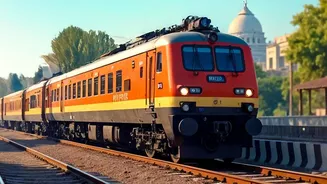
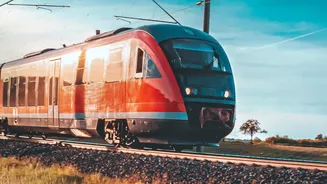
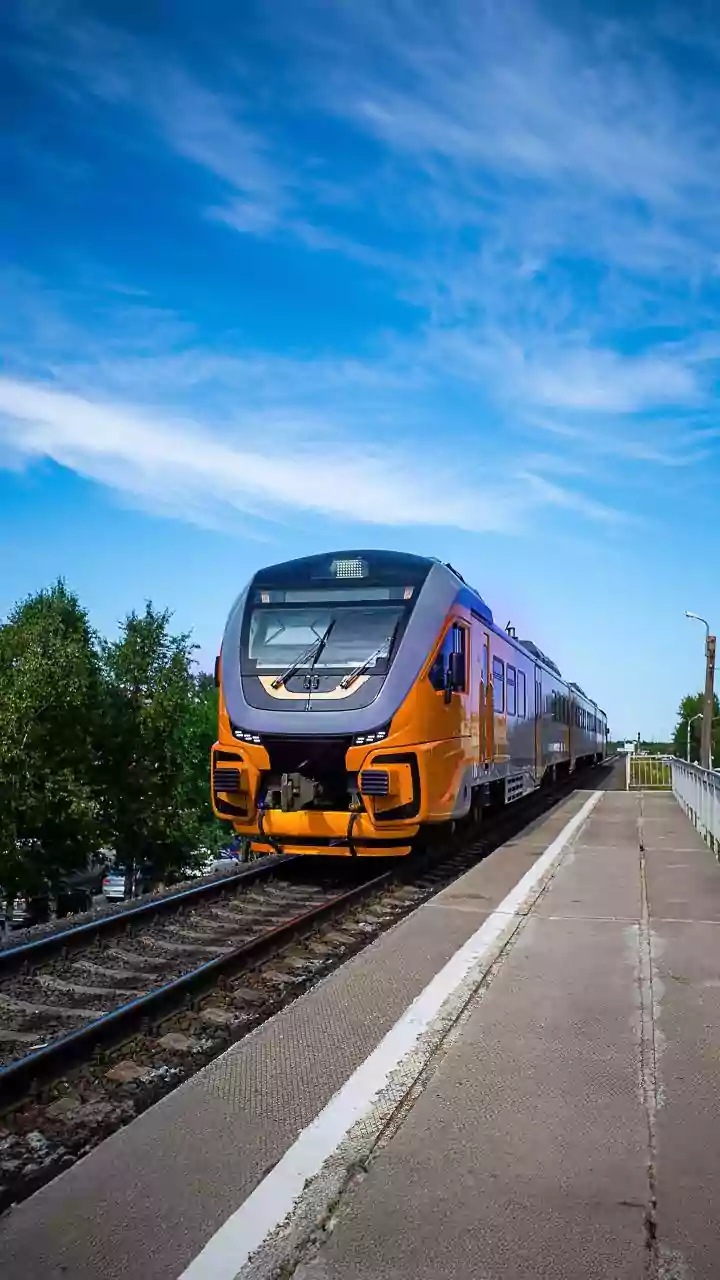
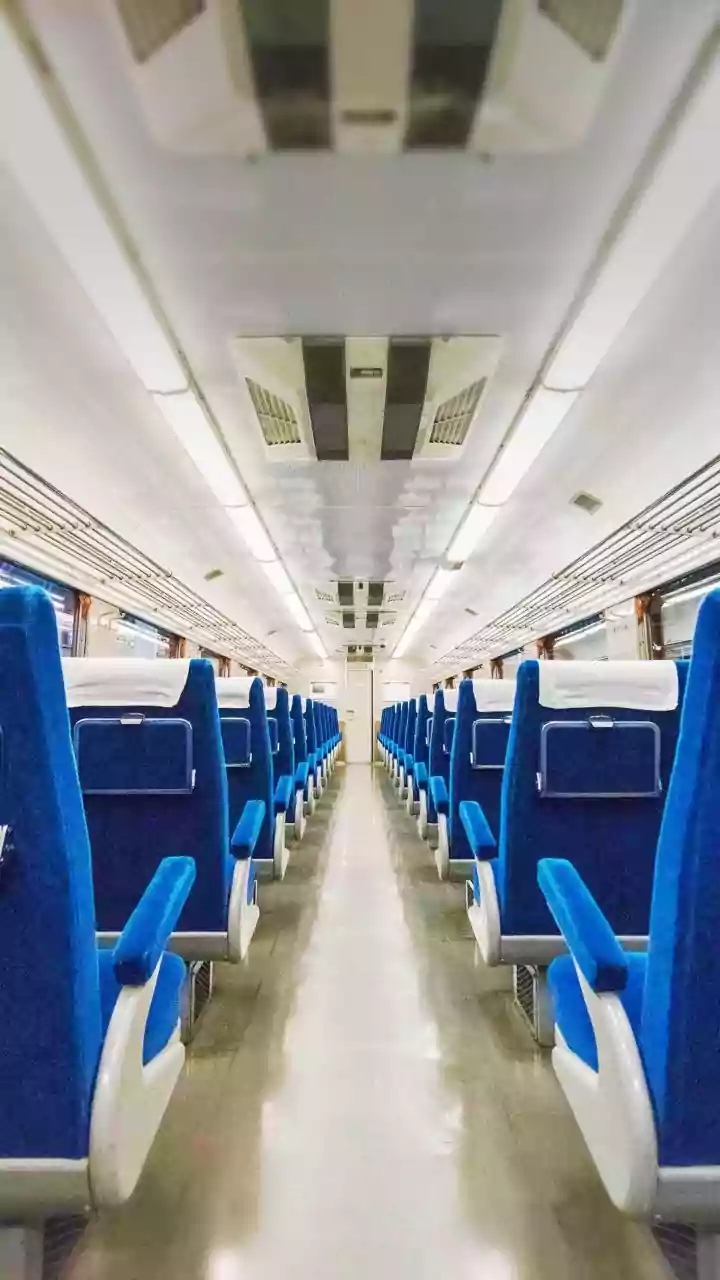
As flight costs climb, Indian Railways is emerging as a formidable competitor, especially on short to medium-haul routes. The introduction and expansion of the Vande Bharat Express network have been game-changers. These modern, semi-high-speed trains offer a compelling blend of comfort, speed, and affordability. For instance, on the Mumbai-Ahmedabad corridor, a Vande Bharat ticket costs around ₹1,400, while a flight can be upwards of ₹2,800. Though the flight is faster in the air, when you factor in travel to and from airports and mandatory check-in times, the total door-to-door journey time becomes much more comparable. On routes like Delhi-Varanasi, the train can save a traveler between ₹3,000 and ₹6,000 on a round trip. The convenience of city-center railway stations versus airports located far outside urban limits further tips the scale. It's no surprise that railway passenger traffic is seeing robust growth, with a 3.54% increase in passengers carried in the 2025-26 fiscal year.
The Enduring Appeal of the Open Road
For families and groups, the road trip has re-emerged as a financially savvy and flexible alternative. With significantly improved highway infrastructure across the country, driving has become a more pleasant and predictable experience. The math is simple: for a family of four, the cost of fuel and tolls for a road trip is often a fraction of the price of four plane tickets. One family traveling to Udaipur reported spending around ₹20,000 on a road trip, compared to a potential airfare bill of ₹60,000. The flexibility is another major draw. Road trips allow for spontaneous detours, leisurely stops, and the freedom to travel at one's own pace without worrying about baggage limits or expensive flight change fees. This is particularly advantageous during peak festive seasons like Diwali, when airfares skyrocket and train tickets are sold out months in advance. While long-distance drives of over 1,000 km may still be impractical, for many regional holidays, the car is once again king.
A New Travel Calculus for Indians
The current travel landscape is forcing a shift in how Indians plan their journeys. The default choice of flying, especially for distances under 800-1,000 km, is no longer a given. Travelers are now engaged in a more detailed 'travel calculus', weighing the true door-to-door cost and time. A flight ticket's sticker price is often just the beginning; when you add airport cab fares, expensive terminal food, and potential baggage fees, the gap between flying and rail or road travel narrows significantly. This shift is not just about saving money; it's about value. The Vande Bharat offers a productive environment where one can work on a laptop, while a road trip provides a unique bonding experience for families. While flying remains essential for long-distance and business travel where time is the absolute priority, a clear trend is emerging where for leisure, family visits, and regional trips, the journey on the ground is becoming just as attractive as the destination in the sky.