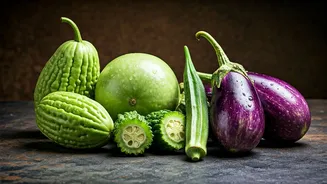





1. Bottle Gourd (Lauki)
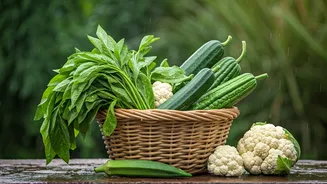
Lauki is the undisputed king of monsoon vegetables. Composed of over 90% water, it's incredibly hydrating and exceptionally light on the digestive system, which tends to be sluggish during this season. Rich in fibre, it helps prevent constipation and keeps
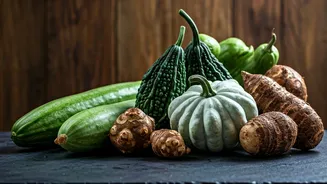
you feeling full without being heavy. Its cooling properties also help manage the acidity that often accompanies the craving for fried pakoras. Traditionally used in Ayurvedic medicine to calm the stomach, lauki is a versatile ingredient. You can turn it into a simple sabzi with cumin and turmeric, grate it into koftas, or even make a flavourful soup. Its subtle taste allows it to absorb the flavours of the spices you cook it with, making it a humble yet powerful addition to your monsoon diet.
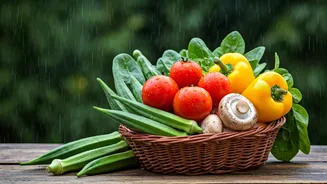
2. Okra (Bhindi)
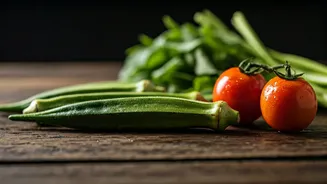
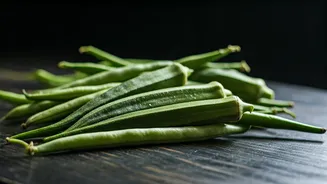
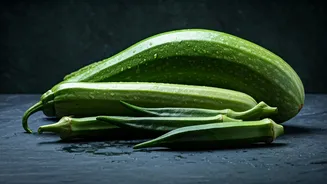
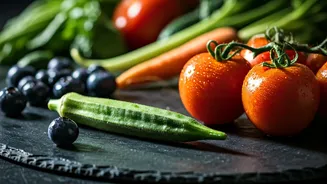
Crispy kurkuri bhindi might be a favourite, but okra in any form is a monsoon superstar. It is packed with soluble fibre, which is excellent for gut health and helps stabilise blood sugar levels. During the monsoon, a healthy gut is your first line of defence against infections. Bhindi is also a great source of Vitamin C, a powerful antioxidant that strengthens the immune system. When buying bhindi, look for smaller, tender pods that snap easily. To avoid the classic sliminess, ensure the okra is completely dry before you chop it and cook it on high heat. A simple stir-fry with onions and a sprinkle of amchoor (dry mango powder) makes for a quick and delicious meal.
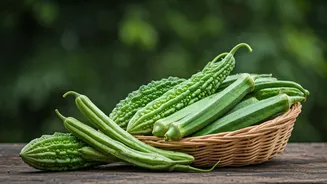
3. Bitter Gourd (Karela)
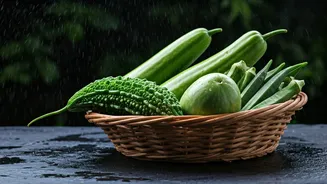
Many might scrunch their noses at it, but bitter gourd is a powerhouse of health benefits, especially during the monsoon. It's lauded for its ability to boost immunity and its powerful antiviral properties. The bitter compounds in karela stimulate the liver and aid digestion, helping your body flush out toxins effectively. It's also fantastic for skin health, helping prevent the boils and fungal infections that are common in the humid weather. To reduce its bitterness, you can scrape the skin, remove the seeds, and salt the pieces for about 30 minutes before washing and cooking. A stuffed karela with a spicy onion-and-spice mix or a simple karela fry can convert even the staunchest of haters.
4. Ridge Gourd (Turai)
Much like its cousin, the bottle gourd, ridge gourd is another monsoon classic that is cooling, hydrating, and easy on the stomach. It is naturally low in calories and high in dietary fibre, making it an excellent choice for weight management. Turai is also a good source of Vitamin A and Vitamin C, both of which are crucial for maintaining a robust immune system. Its flesh has a sponge-like texture that beautifully soaks up the flavours of lentils and spices, making it a perfect addition to dals and curries. A simple turai chana dal is a classic comfort food in many Indian homes during the rainy season, providing both nourishment and warmth.
5. Corn (Bhutta)
Is it even monsoon without the sight and smell of roasted bhutta being sold on a street corner? Corn is not just a nostalgic snack; it’s also incredibly nutritious. It's packed with fibre, which aids digestion, and antioxidants like lutein and zeaxanthin, which are great for eye health. The starchy carbohydrates in corn provide a slow release of energy, keeping you active on dreary, grey days. While a classic roasted bhutta with salt and lemon is unbeatable, you can also enjoy boiled corn kernels in salads, soups, or as a simple snack seasoned with chaat masala. It’s a versatile grain that truly captures the essence of the season.
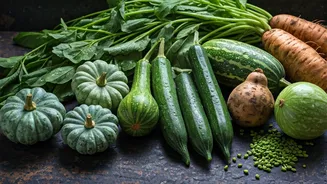
6. Indian Round Gourd (Tinda)
Often called the 'apple gourd', tinda is another vegetable that deserves a spot on your monsoon plate. It is known for its anti-inflammatory properties and is extremely easy to digest, making it ideal for people with sensitive stomachs. Tinda has a high water content and helps keep the body cool and hydrated. It is a good source of antioxidants and helps in keeping seasonal coughs and colds at bay. When choosing tinda, look for small, smooth, and firm gourds. They are delicious when stuffed with a masala paste and cooked until tender or simply prepared as a light, everyday sabzi with tomatoes and ginger-garlic paste.