





The Diaspora's Craving for Home
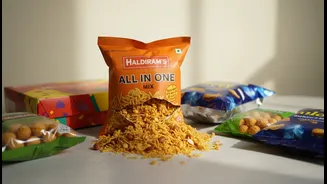
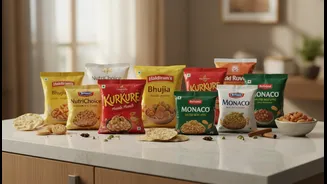
The story of every major Indian snack brand’s global journey begins with the same loyal customer: the Indian diaspora. For millions living abroad, a familiar packet of Haldiram's or Bikaji is more than just a snack; it's a taste of home, a cure for nostalgia.
This built-in demand from a high-income consumer base in markets like the US, UK, Middle East, and Australia provided the perfect launchpad. These consumers weren't just buying products; they were seeking authenticity, creating a stable and profitable foundation for brands to establish an international foothold. Companies initially exported to serve this specific need, stocking shelves in ethnic grocery stores and building a reputation for quality and consistency thousands of miles from home.
From Niche to Mainstream
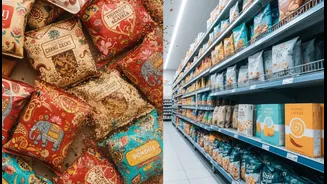
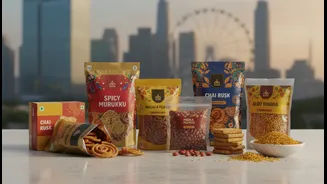
Serving the diaspora was the start, but the real growth story began when brands looked beyond. The turning point came with a strategic shift: moving from the ethnic aisle to the main snack section. This meant competing with global giants, which required a clever balancing act of authenticity and adaptation. Brands began to tweak their offerings for local palates—perhaps by reducing spice levels, introducing new fusion flavours like Tikka Masala Nachos, or creating healthier, low-oil, and gluten-free options. Packaging also received a major upgrade, with companies like Haldiram's adopting zip pouches and modern designs to improve shelf life and appeal to a broader, international audience that prioritises hygiene and convenience.
The Playbook for Global Success
The success wasn't accidental. It's built on a clear strategic playbook. First, an unwavering commitment to quality and traditional recipes builds a foundation of trust. Second, companies like Bikaji, which exports to over 35 countries, invested heavily in state-of-the-art manufacturing and a robust distribution network. Third, marketing evolved. Instead of just relying on word-of-mouth, brands began participating in international food festivals, using digital marketing, and forming strategic partnerships to enter new markets, like Haldiram's recent push into mainstream European retail. More recently, companies are investing directly in overseas markets, with Bikaji injecting millions into its US subsidiary to establish local manufacturing, cutting reliance on exports and improving its supply chain.
A Bigger Story for 'Brand India'
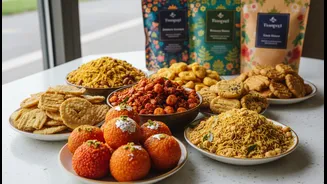
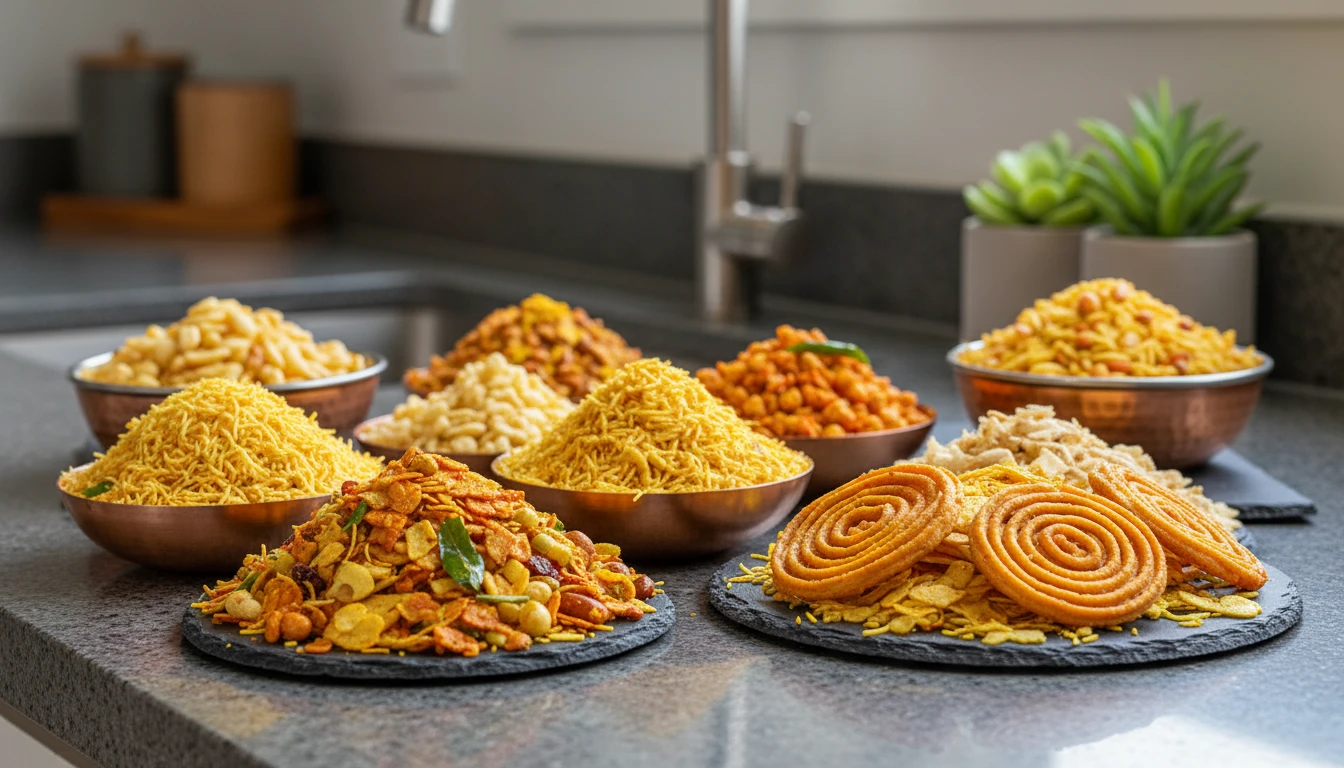
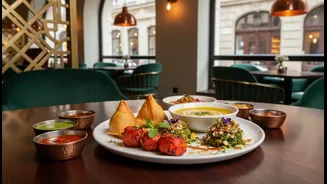
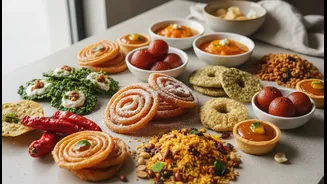
The rise of Indian snack brands is more than a business success; it's a powerful exercise in soft power. As these products gain popularity, they change global perceptions of Indian cuisine, showcasing its diversity beyond the usual restaurant fare. The world is getting a taste of India's vast culinary heritage, from Rajasthani bhujia to South Indian murukku. This trend is creating a blueprint for other Indian FMCG sectors. The success in snacks demonstrates that 'Made in India' can be a global benchmark for quality and innovation. As Indian food exports continue to grow—crossing $50 billion and expanding at 8-12% annually—the snack industry is leading the charge in building 'Brand India' on the world stage.
The Road Ahead: Challenges and Opportunities
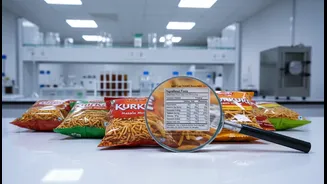
The path to global dominance is not without its hurdles. Brands must navigate complex and varied food safety regulations in each country, from FDA compliance in the US to EU standards. Competition is fierce, not just from local snack titans but also from other international players. However, the opportunity is immense. The global appetite for ethnic flavours, healthier snack options, and plant-based foods is growing, and many traditional Indian snacks naturally fit these trends. By continuing to innovate, invest in quality, and tell their story, Indian snack brands are well-positioned to become permanent fixtures in shopping carts around the world.