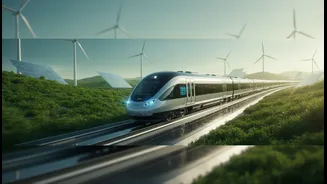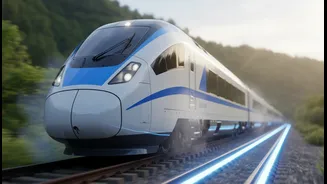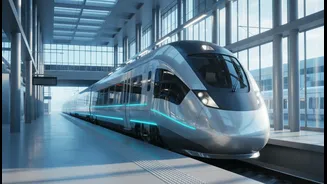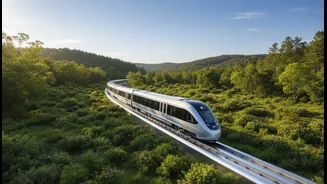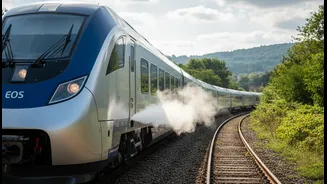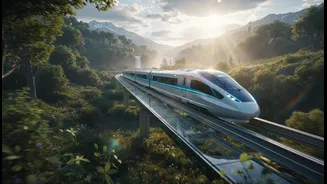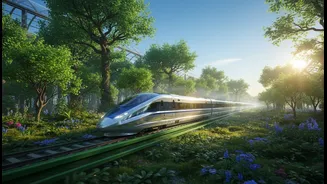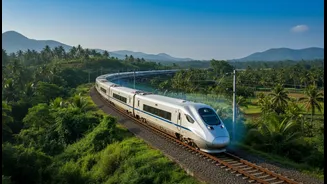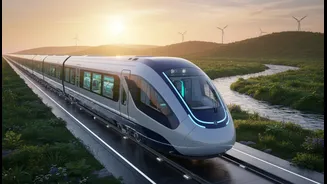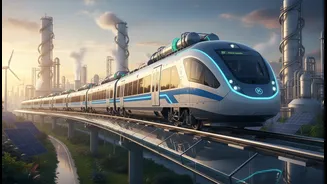




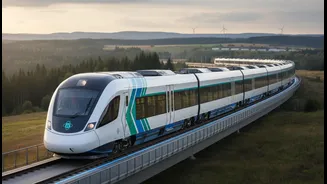
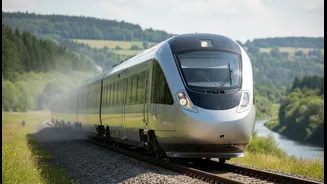


What is a Hydrogen Train?
At its core, a hydrogen train is an electric train that doesn't need overhead wires. Instead, it generates its own electricity on board. It does this using hydrogen fuel cells, which combine hydrogen stored in tanks with oxygen from the air. This chemical
reaction produces electricity to power the motors, with the only byproduct being water vapour. This makes them a significantly cleaner and quieter alternative to the diesel locomotives that currently operate on many routes across India, belching smoke and creating noise pollution at stations and along the tracks. India's first hydrogen train, set to operate on the Jind-Sonipat route in Haryana, is a retrofitted diesel train, demonstrating how existing assets can be transformed for a greener future.
India's Grand Green Railway Mission
The hydrogen train is a flagship project, but it’s part of a much larger vision. Indian Railways has set an aggressive target to become a 'Net Zero Carbon Emitter' by 2030, a goal that would make it a world leader in green transportation. The primary strategy to achieve this is the rapid electrification of its network. As of early 2026, nearly 99.4% of the broad-gauge network has been electrified, a massive undertaking to shift away from diesel dependence. Hydrogen trains fit into this strategy as a solution for routes where electrification is difficult or not cost-effective, such as heritage and hill railways or lines with low traffic. The 'Hydrogen for Heritage' initiative, for instance, plans to run 35 such trains on iconic, ecologically sensitive routes, preserving their charm while eliminating pollution.
What It Means for Your Journey
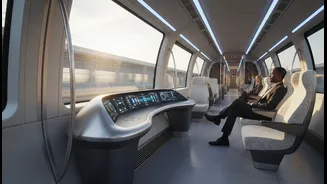
For the millions of passengers who rely on Indian Railways, this green transition promises tangible improvements. The most immediate benefit is cleaner air. Stations and their surrounding areas, often clouded by diesel fumes, will become healthier environments. The trains themselves will be much quieter, offering a more peaceful travel experience compared to the rumble of diesel engines. The successful trial runs of the Jind-Sonipat train, which reached speeds of 120 kmph, show the potential for efficient and reliable services. While the initial operational speed will be around 75 kmph, the technology proves that green transport doesn't have to mean slow transport. Ultimately, this shift represents a move towards a more modern, comfortable, and world-class railway experience for every traveller.
The Challenges on the Track Ahead
Despite the excitement, the path to a fully decarbonised railway is not without obstacles. Hydrogen technology is currently expensive. The initial cost of producing green hydrogen (made using renewable energy) and setting up the required storage and refuelling infrastructure is substantial. The pilot project in Jind, for example, required a dedicated hydrogen production and storage facility to be built. Ensuring the safe handling of highly flammable hydrogen gas also requires rigorous standards and training, which is why India's first train has been certified by international safety auditors. Widespread adoption will depend on bringing down the cost of green hydrogen production, which is a key goal of India's National Hydrogen Mission. For now, electrification remains the backbone of the decarbonisation strategy, with hydrogen playing a niche but important role.