





The Modern Quest for a Healthy Gut
The conversation around health has increasingly turned inward, focusing on the complex world of our gut microbiome. This bustling ecosystem of bacteria influences everything from digestion and immunity to mood. In response, a global market has boomed
with probiotic yogurts, kefir, and fizzy kombuchas, all promising to nurture these internal allies. Yet, many of these commercial products come with a high price tag and added sugars. For those seeking authentic, time-tested solutions, the answer may lie not in a new trend, but in returning to traditions that have nourished generations.
Kanji: The Probiotic Powerhouse of the North
Kanji is a traditional fermented beverage from North India, with a history that may even trace back to the Indus Valley. Typically made during the winter and spring, especially around the festival of Holi, this drink is both a cultural staple and a health tonic. The most well-known version uses black carrots, which give the drink its iconic deep purple hue, fermented in water with salt and coarsely ground mustard seeds. The mixture is left to ferment naturally for several days, resulting in a tangy, pungent, and deeply savory drink that is brimming with gut-friendly bacteria.
The Science Behind Kanji's Benefits
The magic of Kanji lies in lacto-fermentation. The natural bacteria on the carrot skins, combined with the mustard seeds, convert sugars into lactic acid. This process not only preserves the drink but also populates it with probiotics—live microbes that enhance intestinal health. Studies have shown that homemade Kanji can possess a higher probiotic and antioxidant profile than some commercial probiotic drinks. Beyond probiotics, Kanji made from black carrots is a rich source of anthocyanins. These powerful antioxidants are responsible for the carrot's dark color and offer anti-inflammatory benefits, helping to protect cells from damage and supporting everything from heart health to skin vitality. The fermentation process also produces postbiotics, such as B vitamins and short-chain fatty acids, which further support gut lining and metabolism.
Sol Kadhi: The Coastal Digestive Cooler
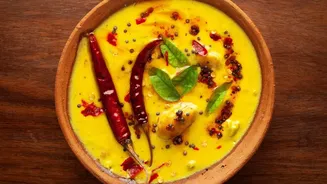
Journey to the coastal regions of Goa and Maharashtra, and you'll find Sol Kadhi, a soothing, pink-hued drink revered for its digestive properties. Unlike the sharp tang of Kanji, Sol Kadhi is creamy and subtly sour. It is made from two primary ingredients: coconut milk and kokum, a sour fruit from the mangosteen family. Often flavored with a hint of chili, cumin, or garlic, Sol Kadhi is traditionally consumed at the end of a meal, especially a spicy one, to cool the system and aid digestion.
How Sol Kadhi Soothes and Supports
Sol Kadhi's benefits stem from its potent ingredients. Kokum is known in Ayurveda for its ability to reduce acidity and improve digestion. It contains garcinol and hydroxycitric acid (HCA), compounds studied for their antioxidant, anti-inflammatory, and metabolism-boosting properties. Coconut milk, the other star ingredient, is not just for creaminess; it contains healthy medium-chain fatty acids that are gentle on the digestive system and provides a soothing quality that can calm an inflamed stomach lining. Together, these ingredients create a drink that neutralizes stomach acid, prevents bloating, and acts as a natural coolant for the body, making it a perfect functional beverage.