



Your Regular Vet Is Not Always Available
Your primary veterinarian is your partner in your pet’s long-term health, managing everything from annual check-ups and vaccinations to chronic conditions. They know your pet’s history and provide essential preventative care. However, most regular vet clinics
operate during standard business hours, meaning they are typically closed on nights, weekends, and holidays. While they are the first call for non-urgent issues, a sudden illness or serious injury outside of their operating hours requires a different plan of action.
The Lifesaving Role of an Emergency Clinic
Emergency veterinary hospitals are specifically designed to handle urgent, life-threatening situations. These facilities are staffed and equipped for crisis care, operating 24/7 to ensure help is always available. Unlike a regular clinic, an emergency hospital is prepared for immediate triage, has advanced diagnostic tools like CT scanners and ultrasound ready to go, and maintains intensive care units (ICUs) for constant monitoring. Situations like severe trauma, difficulty breathing, seizures, or the ingestion of a toxic substance require the specialised, around-the-clock capabilities that only an emergency clinic can provide.
How to Organise Your Vet Contacts
The key is to make this vital information accessible in a panic. While a pet's ID tag is crucial, space is limited. The most important details for a tag are your pet's name and your primary phone number. Some owners add a line like "Needs Meds" if applicable to create a sense of urgency. For the full details, create a master contact reference. Keep a card in your wallet, a note in your phone’s contacts, and a visible notice on your refrigerator. This reference should clearly list both your regular vet and your pre-identified emergency clinic.
Creating Your Pet Emergency Card
Your emergency contact card should be clear and concise. Organise it into two sections to avoid confusion. For your regular vet, list the clinic name, phone number, and operating hours. For the emergency vet, include the clinic name, phone number, and full address, along with a note confirming they are open 24/7. It's crucial to identify your nearest emergency hospital before you need it. Know the address and the fastest route. In a crisis, you lose precious time if you have to search for a facility and then figure out how to get there. Having the address ready saves critical minutes.
Build a Complete Emergency Plan
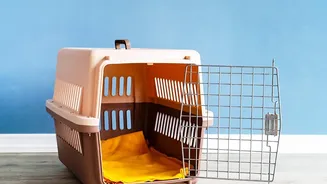
Beyond contact details, a full preparedness plan offers even greater peace of mind. Assemble a pet emergency kit that includes a pet first-aid kit, a week's supply of your pet's food and medication, copies of medical records, and a leash or carrier. Store this kit somewhere you can grab it quickly. It’s also wise to call your chosen emergency clinic ahead of time when you are on your way, if possible. This allows the veterinary team to prepare for your arrival and provide initial advice over the phone.