








The Gujarat Study: A Local Link
A recent study focusing on 465 adults in Gujarat has provided compelling local evidence for a global health warning. Researchers from institutions including Bhaikaka University and Parul University found that individuals who eat fast show significantly
higher Body Mass Index (BMI) and, crucially, higher levels of visceral fat. The study classified participants as fast, moderate, or slow eaters based on their chewing habits. The findings were stark: fast eaters not only had a higher average BMI but were also 2.18 times more likely to have dangerous levels of visceral fat. Perhaps most surprisingly, the research found no link between eating habits and physical activity, suggesting that you can't exercise away the metabolic consequences of a rushed meal.
Understanding BMI and Visceral Fat
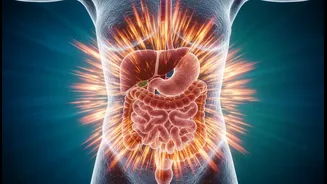
So, what are these health markers? BMI, or Body Mass Index, is a general measure of body fat based on your height and weight. While a useful starting point, it doesn't tell the whole story. Visceral fat, on the other hand, is a more specific and dangerous type of fat. It's the internal fat that wraps around your abdominal organs, like the liver and intestines. Unlike the fat you can pinch (subcutaneous fat), visceral fat is hidden deep within the body. High levels of visceral fat are strongly linked to serious health problems, including metabolic syndrome, type 2 diabetes, heart disease, and insulin resistance. This makes the Gujarat study's findings on visceral fat particularly noteworthy.
The Science of Satiety: Why Speed Matters
The connection between eating speed and weight gain isn't about magic; it's about biology. It takes approximately 20 minutes for your brain to receive and process satiety signals from your gut. These signals, carried by hormones, are what tell you that you're full. When you eat too quickly, you can easily consume far more calories than your body needs before your brain gets the message to stop. This leads to overeating, which over time contributes to weight gain. Slower eating allows this crucial communication to happen, helping you recognise fullness with smaller portions and ultimately reducing your overall calorie intake.
More Than Just Weight Gain
The consequences of eating too fast extend beyond adding extra kilograms. Rapid eating often means taking larger bites and chewing less thoroughly. This is the first misstep in digestion. Chewing is the initial stage where enzymes in your saliva begin breaking down food. When this step is rushed, your stomach has to work harder to break down larger food particles, which can lead to digestive discomfort, bloating, and heartburn. Furthermore, rushing through meals can impair your body's ability to absorb all the available nutrients from your food. Slowing down not only improves digestion but also enhances your satisfaction and enjoyment of the meal.
Simple Steps to Slower, Mindful Eating
Adopting a slower pace at mealtimes doesn't require a drastic lifestyle overhaul. It's about building small, conscious habits. Start by setting aside dedicated time for your meals, aiming for at least 20 minutes. One of the most effective techniques is to simply put your fork or spoon down between each bite. Focus on chewing your food more thoroughly; some experts suggest around 30 chews per bite, though this varies by food. Drinking water during your meal can also help you pause and slow your pace. Finally, practice mindful eating by removing distractions. Turn off the television, put your phone away, and pay attention to the flavours, textures, and aromas of your food.