






Understanding the Monsoon Planting Window
Bengaluru’s gardening calendar is largely dictated by its seasons, and the Southwest Monsoon (June to October) is the most crucial. The period from late June through July is considered the prime rain-fed planting window. According to horticultural experts,
the combination of cooler temperatures, high humidity, and consistent moisture creates ideal conditions for seed germination and plant survival. Unlike the harsh, dry summer, the monsoon allows plants to establish roots without heat stress, leading to faster, healthier growth. While heavy rains bring challenges, choosing the right plants and techniques for this window is the key to a thriving garden that requires less manual watering.
Essential Herbs for a Bengaluru Balcony
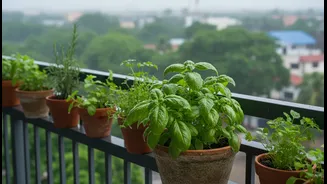
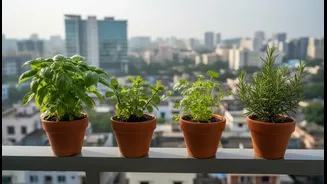
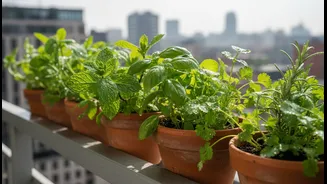
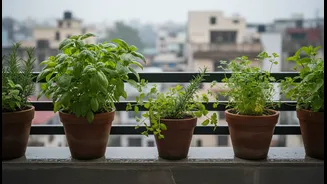
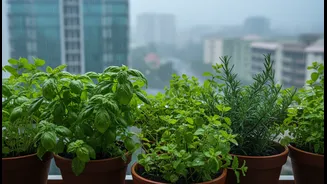
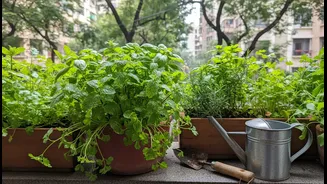
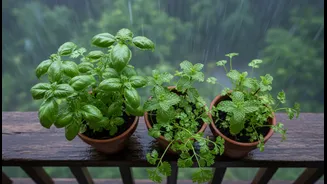
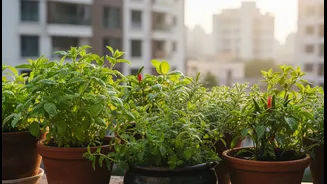
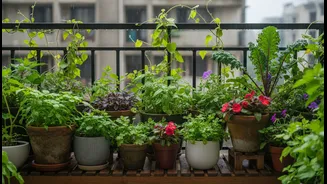
A balcony herb garden is both practical and beautiful. During the monsoon, certain herbs thrive in Bengaluru's specific climate. Mint (Pudina) is a star performer; it loves the moist conditions and grows so fast it's best kept in its own pot to prevent it from taking over. Coriander (Dhania) is another staple that does well, though it prefers deep pots for its long taproots. Holy Basil (Tulsi) and other basil varieties flourish in the humidity. For something different, Lemongrass grows vigorously and its leaves can be used for teas and flavourings. These herbs are relatively low-maintenance and are perfectly suited for container gardening.
Drainage: The Most Critical Factor
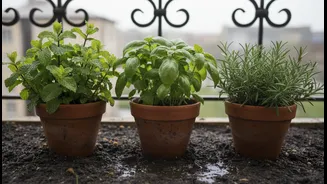
The single biggest mistake during the monsoon is letting plants become waterlogged. Roots need oxygen, and saturated soil can lead to root rot, the most common cause of plant failure in the rainy season. Ensure every pot has clear drainage holes. Elevating your pots on bricks, stands, or even old tiles allows excess water to escape freely and prevents the drainage holes from getting blocked. For your soil mix, avoid heavy, clay-like soils that retain too much water. A light, well-draining mix of garden soil, cocopeat, and compost is ideal for pots, as it provides nutrients while allowing water to pass through.
Monsoon Care and Maintenance
While the rains provide natural watering, you still need to be observant. Don't stick to a rigid watering schedule. Instead, check the soil by poking a finger an inch or two deep; if it feels damp, wait another day before watering. High humidity also increases the risk of fungal diseases and pests. Ensure good air circulation by not crowding your plants together. A preventative spray of neem oil (a few millilitres mixed in a litre of water with a drop of liquid soap) every week or two can help manage common monsoon pests like aphids and mealybugs organically. Finally, reduce fertilising to half-strength, as the frequent rain can wash away nutrients too quickly, and over-fertilising can harm moist roots.