



The Challenge of Altitude Sickness
Leh sits at an elevation of over 3,500 metres (about 11,500 feet), where the oxygen is significantly thinner than at sea level. Arriving by flight causes a sudden jump in altitude, making many travellers susceptible to Acute Mountain Sickness (AMS). Symptoms
can range from mild headaches, nausea, and dizziness to more severe, life-threatening conditions. It's your body's way of signalling that it hasn't had enough time to adjust. Ignoring these early signs is a common mistake that can derail a trip. Fitness level is not a reliable predictor; even the most athletic individuals can be affected by AMS.
Acclimatisation: Your Most Important Task
The golden rule for preventing AMS is acclimatisation. Upon arriving in Leh, you must rest for a minimum of 24 to 48 hours. This means no strenuous activity, no immediate trips to higher passes, and avoiding alcohol, which can worsen symptoms. Spend your first day or two relaxing, taking short walks around Leh town, and allowing your body to adapt. Hydration is key; aim to drink at least 3-4 litres of water daily. A slow and gradual ascent is the safest way to travel. Plan your itinerary so that your sleeping altitude doesn't increase by more than 300-500 metres each day. Rushing to see everything at once is a recipe for trouble.
Know the Warning Signs
Recognising the symptoms of AMS early is crucial. Mild symptoms include a persistent headache, loss of appetite, fatigue, and difficulty sleeping. If you experience these, do not ascend further. Rest at your current altitude until the symptoms subside. If symptoms worsen to include severe breathlessness even at rest, a persistent cough, or confusion, it may indicate a more serious condition like High-Altitude Pulmonary Edema (HAPE) or High-Altitude Cerebral Edema (HACE). In such cases, the only effective treatment is immediate descent to a lower altitude and seeking medical help.
Navigating Ladakh's Roads in August
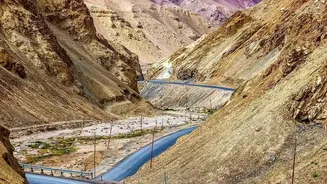
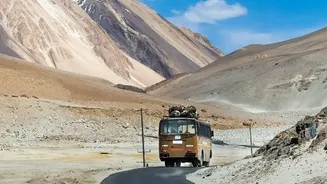
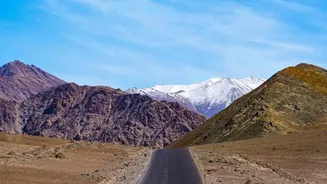
August is peak monsoon season in many parts of India, but Ladakh, being in a rain shadow area, remains relatively dry. However, the two main arteries leading to it—the Manali-Leh and Srinagar-Leh highways—pass through monsoon-affected regions. This means you should be prepared for potential landslides, slush, and water crossings, especially on the Manali route. While both highways are typically open in August, temporary blockages are common and can last for a few hours to a day. The Border Roads Organisation (BRO) works tirelessly to clear them, but it's wise to build buffer days into your travel schedule. The Srinagar-Leh highway is generally considered a more gradual ascent, which can aid in acclimatisation.
Permits and Practical Preparations
To visit popular areas like Nubra Valley, Pangong Lake, and Tso Moriri, Indian tourists need to pay an environment fee online, which generates a receipt that acts as a permit. It's advisable to get this done before your trip via the official Leh district portal and carry multiple printouts. Pack clothing in layers, as days can be warm but nights get cold. Essentials include a warm jacket, sunscreen, sunglasses, and a first-aid kit. While some travellers consider medication like Acetazolamide (Diamox) for acclimatisation, it should only be taken after consulting a doctor. Hiring an experienced local driver who understands the terrain and conditions is highly recommended for a safer journey.