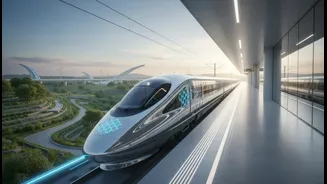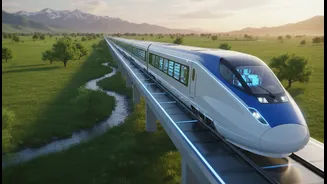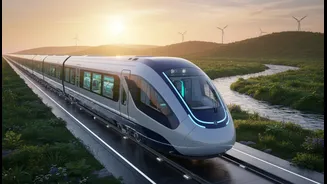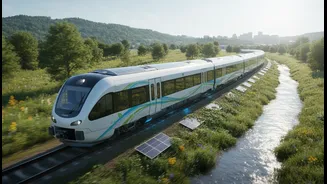




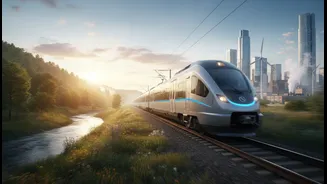


How Do Hydrogen Trains Work?
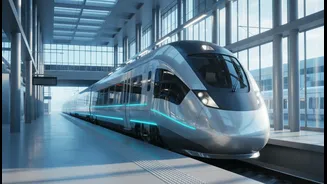
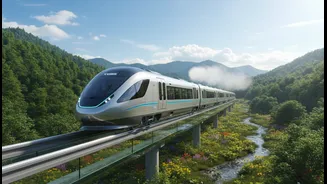
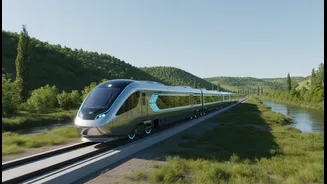
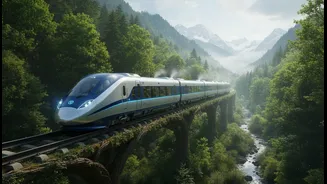
At its heart, a hydrogen train is an electric train that carries its own power plant. Instead of drawing electricity from overhead wires, it uses hydrogen fuel cells. Inside these cells, hydrogen stored in high-pressure tanks on the train reacts with
oxygen from the air. This electrochemical reaction generates electricity to power the motors, with the only by-product being pure water. Any excess energy can be stored in onboard batteries to provide a power boost when needed. The result is a quiet, efficient, and, most importantly, zero-emission mode of transport at the point of use, offering a clean alternative to noisy, polluting diesel engines.
India's Push for Cleaner Tracks
Indian Railways is the lifeline of the nation, but it's also a significant consumer of diesel fuel, especially on routes that are not electrified. To meet its ambitious goal of becoming a net-zero carbon emitter by 2030, the railway is aggressively pursuing greener alternatives. While electrifying the entire network is a primary goal, it's not always feasible or cost-effective, particularly on challenging terrains like hill railways or on lines with lower traffic. This is where hydrogen trains, or 'hydrail', come in. They offer a way to decarbonise these specific routes without the massive infrastructure cost of electrification, aligning perfectly with the national Green Hydrogen Mission.
The First Hydrogen Train Is Here
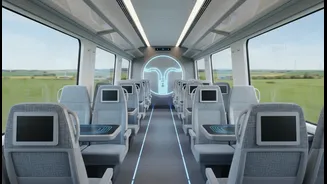
The future has arrived in Haryana. India's first hydrogen-powered train is slated for inauguration on July 17, 2026, set to run on the nearly 90-kilometre Jind-Sonipat route. After successful trials where the 10-coach train reached speeds of 120 km/h, it is approved for commercial service at an operational speed of 75 km/h. This retrofitted Diesel Electric Multiple Unit (DEMU) train, developed indigenously, can carry around 2,600 passengers and has a range of about 250 km on a single fill of hydrogen. A dedicated hydrogen production and refuelling facility has been established in Jind to support the project, marking a huge milestone for the 'Make in India' initiative.
Challenges on the Journey Ahead
Despite the excitement, the path to a hydrogen-powered rail network is not without its hurdles. The primary challenge is cost. Hydrogen fuel cell technology is currently expensive, and the initial investment in retrofitting trains and building fuelling infrastructure is substantial. Another major factor is the production of the hydrogen itself. For the environmental benefits to be fully realised, the trains must run on 'green' hydrogen—produced using renewable energy like solar or wind. Scaling up green hydrogen production to meet demand is a significant industrial challenge that India is actively working to solve. Safety is also paramount, requiring robust storage and handling systems for the highly flammable fuel.
A Complementary Clean-Energy Solution
Hydrogen trains are not intended to replace electric trains, which remain the most efficient option for high-traffic mainline routes. Instead, they are a strategic solution for specific use cases. They are ideal for heritage routes, such as the Kalka-Shimla line, where preserving the aesthetic charm is as important as cutting emissions. They also make sense for non-electrified branch lines and areas with difficult terrain where installing overhead lines would be prohibitively expensive. By targeting these gaps, hydrogen trains can work in tandem with electrification to help Indian Railways achieve its 100% green energy goal, reducing dependency on imported diesel and improving air quality across the country.