






The Silent Destroyer: How Humidity Attacks Your Sofa
In a country like India, humidity isn't just a weather report metric; it’s a household reality that can wreak havoc on your prized possessions, especially upholstered furniture. When the air is thick with moisture, porous materials like fabric and even
the wooden frame of your sofa begin to absorb it. This creates a damp, clammy feeling and, more worryingly, the ideal breeding ground for mould and mildew. You might first notice a persistent musty odour that doesn’t go away, or see faint discoloration on the fabric. Over time, this moisture can weaken fabric fibres, causing them to lose their texture and vibrancy. It can also compromise the structural integrity of the internal cushions and wooden frame, leading to sagging and reduced support.
The Renter's Dilemma: Poor Ventilation and Limited Options
For those living in rented accommodation, the problem is often magnified. Many urban apartments, particularly older buildings, suffer from poor ventilation design. This lack of adequate airflow means that the humid air generated from cooking, bathing, and simply breathing gets trapped indoors. During the monsoon season, when keeping windows open isn't always an option, indoor humidity levels can skyrocket. As a renter, you can't exactly knock down a wall or install a new window. Landlords may have provided basic exhaust fans, but these are often insufficient to circulate air throughout the entire unit. Pushing furniture like sofas against walls to maximise space—a common practice in smaller flats—further restricts airflow, creating stagnant pockets of air where moisture can condense and cause damage.
The Solution: Humidity-Defying Slipcovers Explained
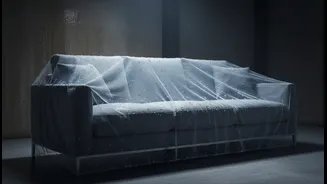
This is where a high-quality slipcover becomes more than just a decorative item; it becomes a shield. A 'humidity-defying' slipcover is one made from a fabric that either resists moisture absorption or wicks it away, allowing it to evaporate quickly. Unlike standard decorative covers that might trap moisture against the sofa's upholstery, these performance fabrics create a breathable barrier. They prevent the damp, sticky feeling common in humid weather and, most importantly, deny mould and mildew the sustained moisture they need to grow. By investing in a good slipcover, you're not just changing the look of your sofa; you're adding a crucial layer of protection that preserves the original fabric and internal structure from long-term moisture damage.
Material Matters: Choosing the Right Fabric
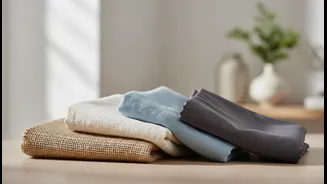
Not all fabrics are created equal in the battle against dampness. For Indian climatic conditions, certain materials perform exceptionally well. Linen and Cotton Blends: Natural fibres like linen are champions of breathability and are naturally moisture-wicking. Pure cotton is also breathable and absorbent, but can sometimes retain moisture in very humid conditions. A cotton-linen or cotton-polyester blend often provides the best of both worlds: the softness and breathability of cotton with the enhanced durability and moisture resistance of its counterpart. Synthetics like Polyester and Olefin: Modern synthetic fabrics are engineered to be hydrophobic, meaning they repel water. They are less likely to absorb ambient moisture, dry quickly, and are highly resistant to mildew. Look for tightly woven polyester, acrylic, or olefin covers, which are often used for outdoor furniture due to their resilience. Tencel and Bamboo: These newer, eco-friendly fabrics are renowned for their excellent moisture management. They are incredibly soft, breathable, and adept at wicking moisture away from the surface, making them ideal for high-humidity regions.
Beyond the Cover: Additional Protective Measures
While a good slipcover is your first line of defense, a few other habits can help protect your sofa investment. Whenever possible, improve air circulation. Use ceiling or pedestal fans to keep air moving, which helps prevent moisture from settling. Try to pull your sofa a few inches away from the wall to allow air to flow behind it. During dry spells or when the sun is out, open windows to ventilate the entire home. Placing moisture absorbers like silica gel packs or bowls of rock salt in discreet spots around the living room can also help reduce ambient humidity. Regular vacuuming of your sofa, with and without the slipcover, will remove dust and potential mould spores before they become a problem.