






The Reality of Road Travel
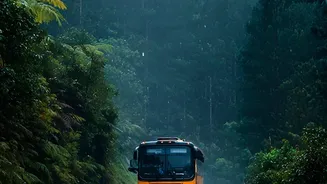
Driving during the monsoon can be challenging. Heavy rains lead to waterlogged streets in cities and on highways, significantly slowing down traffic. In hilly and mountainous regions like the Himalayas and the Western Ghats, the risk of landslides is a serious
concern, which can lead to road closures that last for hours or even days. Wet roads also increase braking distances and the risk of skidding, making it essential to drive slower and more cautiously. Even if you're in a bus or a cab, these conditions mean your journey will likely take much longer than anticipated. Never attempt to drive through a flooded street, as the water can hide deep potholes or open drains.
Navigating the Railways
Trains are a popular mode of transport in India, but they are not immune to monsoon-related disruptions. Waterlogging on tracks is a common issue, forcing railways to impose speed restrictions or, in severe cases, suspend services altogether. This is particularly true in low-lying coastal areas and major hubs like Mumbai, where suburban and long-distance train services often face delays of 20-30 minutes or more during heavy spells. Landslides can also block tracks in ghat sections, leading to widespread cancellations, diversions, and rescheduling of trains. These cascading delays mean that a journey that looks straightforward on paper can become a long and uncertain wait.
The Art of a Buffer Day
The single most effective strategy for a stress-free monsoon trip is to build extra time into your itinerary. Do not plan tight connections between flights, trains, and buses. A simple one-hour delay can disrupt a tightly packed schedule. Instead, add a 'buffer day' before and after crucial travel legs, especially if you are travelling through areas known for heavy rainfall. This approach gives you flexibility and peace of mind. If you arrive early, you can use the time to explore a local market or relax. If you're delayed, you won't be stressed about missing a connecting journey or a hotel check-in. This makes the journey itself part of the experience rather than a race against the clock.
Smarter Planning and Packing
Modern technology can be a traveller's best friend during the monsoon. Before and during your trip, use weather apps and official railway websites or apps like the National Train Enquiry System (NTES) to check the latest forecasts and live train status. For road travel, navigation apps often provide real-time updates on traffic and waterlogged areas. When packing, opt for quick-drying synthetic clothes over cotton. A sturdy raincoat and footwear with good grip are essential. Also, ensure all your important documents and electronics are protected in waterproof bags. Carry a fully charged power bank, as delays can drain your phone battery while you're waiting for updates.