



From Trash to Treasure
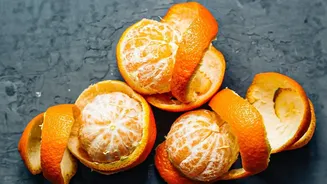
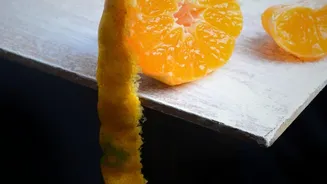
Every time you peel an orange and toss the skin, you're throwing away a burst of concentrated flavour. The peel, often seen as mere waste, is where the fruit's essential oils reside. Harnessing this is not only a fantastic way to reduce food waste but
also a simple trick to create gourmet products in your own kitchen for a fraction of the cost. This zero-waste approach is about seeing potential in what's left over and turning it into something delicious. Before you begin any recipe, make sure to wash your oranges thoroughly under warm water, using a vegetable brush if you have one, to remove any surface residues.
A Simple, No-Fuss Marmalade Recipe
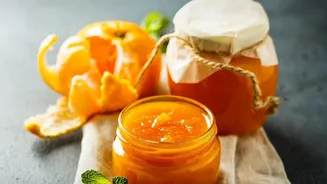
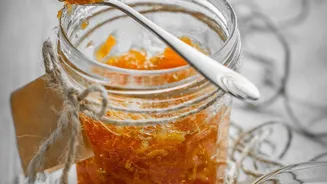
Making marmalade can seem intimidating, but this stripped-down method requires just peels, sugar, water, and a little lemon juice. You don’t need special pectin, as citrus fruits are naturally full of it. First, take the peels from 3-4 large oranges and slice them into thin strips. To reduce bitterness, you can perform a step called blanching: cover the peels with water in a saucepan, bring to a boil for 10-15 minutes, then drain. While some recipes skip this, it's a good trick for a smoother-tasting result.
Cooking Your Marmalade
After blanching, place the softened peels back into the pot. Add about 2 cups of water, 1.5 cups of granulated sugar, and the juice of one lemon. The lemon juice helps the marmalade to set. Bring the mixture to a slow boil, then reduce the heat to a simmer. Let it cook for about 45-60 minutes, stirring occasionally to prevent it from sticking to the bottom. The mixture will gradually thicken and become more translucent. You’ll know it’s ready when it coats the back of a spoon and a drop placed on a cold plate wrinkles when you push it with your finger. Once it reaches this point, you can carefully pour the hot marmalade into a sterilised jar and let it cool.
Beyond Marmalade: More Peel Hacks
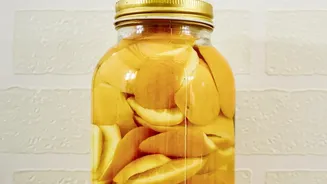
Your journey into zero-waste citrus doesn't have to end with marmalade. Those flavourful peels have dozens of other uses around the house. One of the most popular is creating a natural all-purpose cleaner. Simply stuff your leftover peels into a jar, cover them with white vinegar, and let it infuse for about two weeks. Strain the liquid into a spray bottle for a fragrant, effective cleaner that cuts through grease. This works because citrus peels contain d-Limonene, a natural solvent.
Sweet Treats and Savoury Flavours
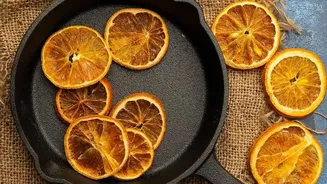
If you have a sweet tooth, try making candied orange peels. Simmer peel strips in a simple syrup (equal parts sugar and water) until they are tender and translucent, then toss them in sugar and let them dry on a wire rack. They make a great snack or a beautiful garnish for desserts. For a savoury twist, create a citrus-infused salt by rubbing fresh zest into coarse sea salt and letting it dry. It’s a wonderful finishing salt for fish, chicken, or roasted vegetables. You can also simply dry the peels and add them to tea blends for an aromatic lift.