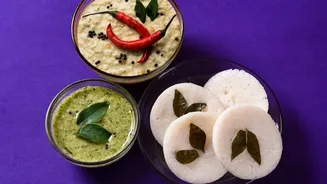





There are few breakfast pleasures as simple and satisfying as soft, steaming idlis. But the perfect idli is only half the story; the other half is the chutney. It's time to move beyond the usual coconut and tomato with this tangy urad dal version.
Urad Dal: The Unsung Hero
Urad
dal, also known as split black gram, is a cornerstone of South Indian cuisine. It forms the foundation of batters for iconic dishes like idli and dosa, providing both structure and a subtle, earthy flavour. But this versatile lentil is more than just a background player. When roasted, it takes on a wonderfully nutty and aromatic quality, making it the star of this simple yet flavourful chutney. Beyond its culinary uses, urad dal is a nutritional powerhouse, packed with protein, fibre, and essential minerals like iron and potassium. It is known to support heart health, aid digestion, and provide a steady release of energy, making it a valuable part of a balanced diet.
Why This Chutney Is the Perfect Pairing
The magic of this chutney lies in its beautiful balance of flavours and textures. The slow-roasting of the urad dal creates a deep, nutty base that is both comforting and complex. This is complemented by the sharp heat of dried red chillies and the subtle tang of tamarind, which cuts through the richness and brightens the overall taste. Some recipes also incorporate coconut for creaminess or garlic for a pungent kick. When paired with the mild, fluffy texture of idli, this chutney provides a delightful contrast. It has a slightly coarse texture from the ground dal, which adds a welcome mouthfeel to the meal, making each bite more interesting than the last.
Ingredients for Tangy Urad Dal Chutney
This recipe is wonderfully adaptable, but here is a classic combination to get you started. Urad Dal (split black gram, skinless): ½ cup Dried Red Chillies: 4-5 (adjust to your spice preference) Fresh or Grated Coconut: ¼ cup (optional, for creaminess) Tamarind: A small, marble-sized piece Asafoetida (Hing): A generous pinch Salt: To taste Oil (preferably sesame oil): 2 teaspoons For the Tempering (Tadka): Oil: 1 teaspoon Mustard Seeds: ½ teaspoon Curry Leaves: 1 sprig
Step-by-Step: The Recipe
1. Roast the Dal: Heat one teaspoon of oil in a pan over a low to medium flame. Add the urad dal and dried red chillies. It is crucial to roast slowly and patiently, stirring continuously until the dal turns a beautiful golden-brown and releases a nutty aroma. Burnt dal will make the chutney bitter, so do not rush this step. 2. Add Aromatics: In the last minute of roasting, add the asafoetida. If you are using coconut, add it now along with the tamarind and sauté for another 30 seconds before switching off the heat. 3. Cool and Grind: Transfer the entire mixture to a plate and let it cool down completely. Once cool, move it to a mixer grinder. Add salt and grind to a paste. Add water sparingly, a little at a time, to reach your desired consistency. This chutney is traditionally served thick, not runny. 4. Prepare the Tadka: In a small pan, heat the remaining teaspoon of oil for the tempering. Once hot, add the mustard seeds. When they begin to splutter, add the sprig of curry leaves. Be careful, as they will pop and sizzle. 5. Combine and Serve: Pour the hot tempering over the ground chutney and mix well. Your tangy urad dal chutney is now ready to be served alongside hot idlis, dosas, or even paniyaram.
Tips for Chutney Perfection
A few small details can elevate your chutney from good to great. First, always roast the dal on a low flame; this ensures it cooks through evenly without burning on the outside. Don’t be afraid to adjust the ingredients to your liking. Add a small piece of jaggery to balance the spice and tang, or a couple of cloves of garlic for more pungency. While some recipes are made without coconut, adding it provides a lovely creaminess and sweetness. Finally, never skip the tadka. This final flourish of tempered spices in hot oil blooms their flavour and adds an essential aromatic dimension that completes the dish.