
A Glimpse into the Cosmic Dawn
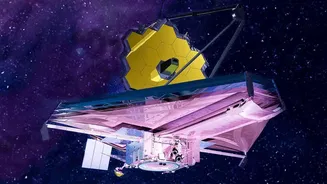
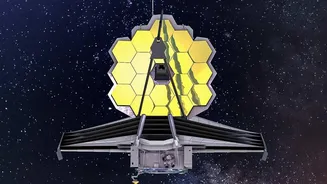
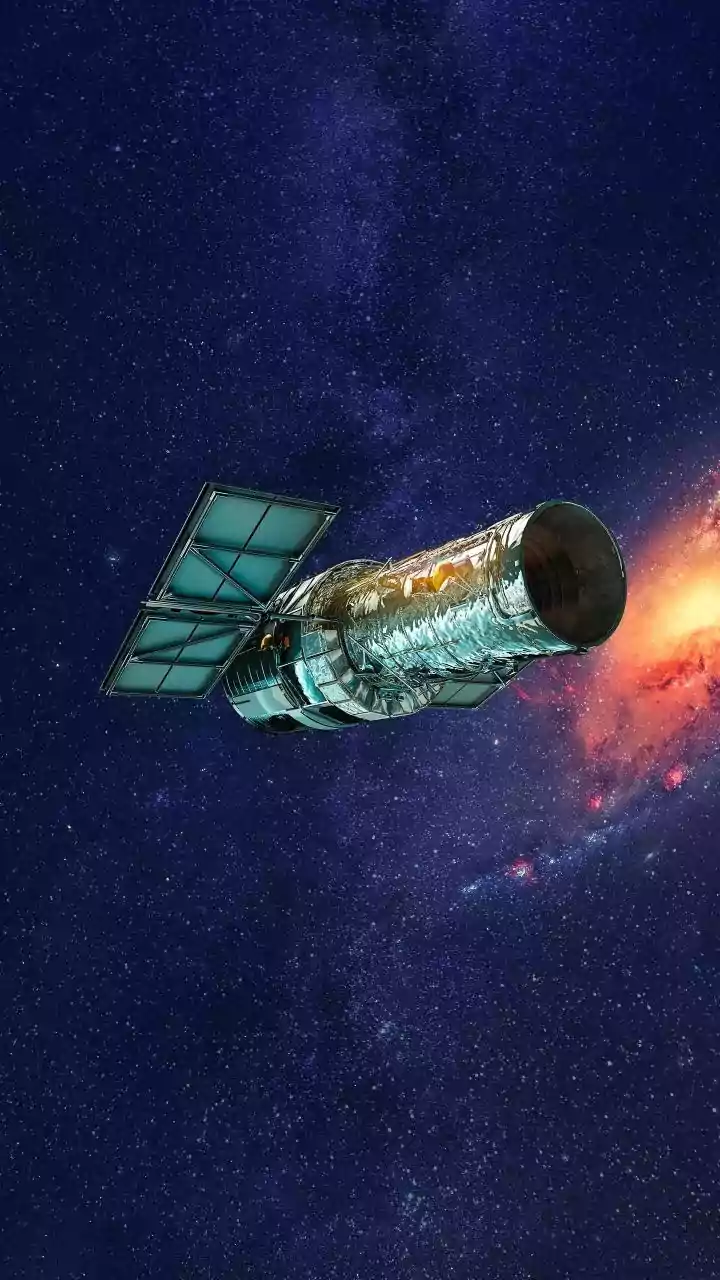
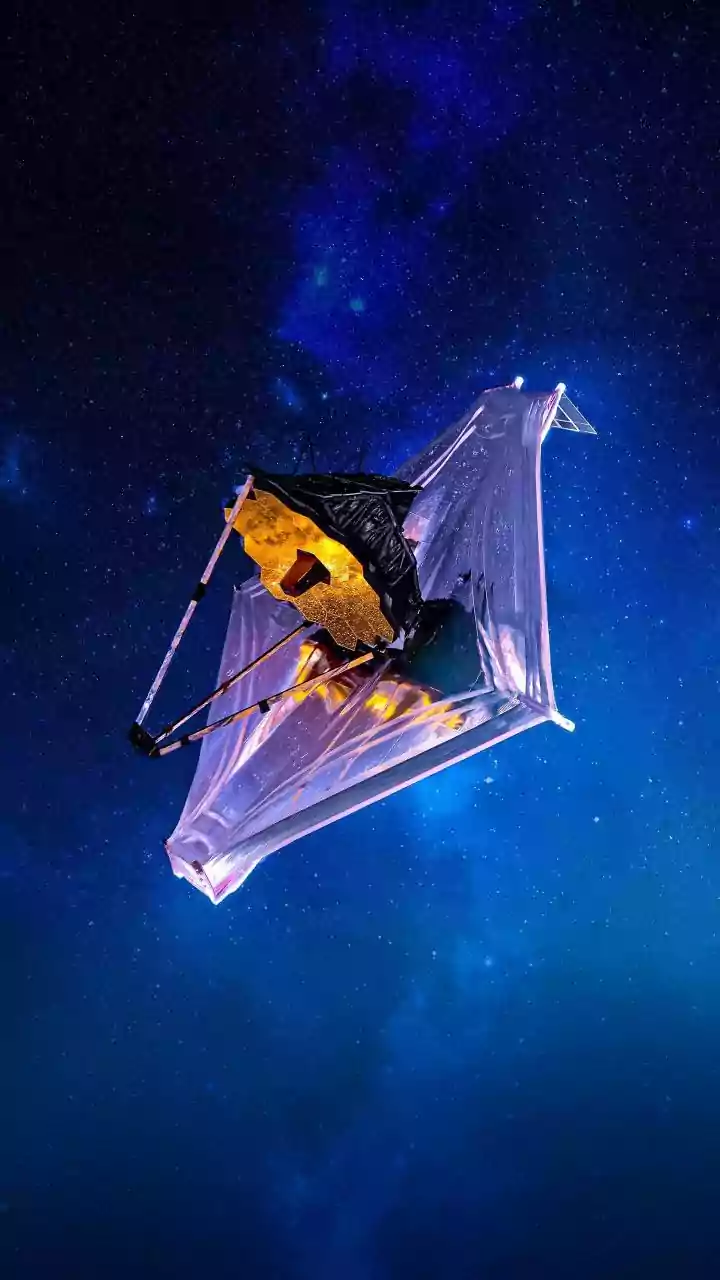
The James Webb Space Telescope was designed with a primary mission: to look back in time to the universe's infancy. By capturing faint infrared light that has travelled for over 13 billion years, it allows astronomers to witness the "cosmic dawn"—the
era when the very first stars and galaxies flickered into existence. Before JWST, this period was largely theoretical, a mathematical prediction based on our understanding of the Big Bang. Scientists had a standard story, the Lambda-Cold Dark Matter (ΛCDM) model, which describes how the universe expanded and how matter slowly clumped together to form larger and larger structures over billions of years. This model predicted that the first galaxies would be small, messy, and take a long time to grow up.
The 'Impossible' Early Galaxies
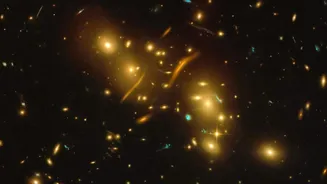
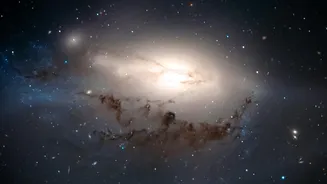
The problem is, that’s not what the JWST is seeing. Almost immediately after it began sending back data, the telescope spotted galaxies in the early universe that were far too big, too bright, and too well-structured. Some of these galaxies appear as they were just 300 to 500 million years after the Big Bang, yet they look as mature and massive as galaxies that have been evolving for billions of years. These discoveries created a significant tension with the established hierarchical model of galaxy formation, which posits that large galaxies should form gradually through the merger of smaller ones. Finding such developed galaxies so early is like finding a fully grown adult in a nursery—it defies the expected timeline of development.
Challenging the Standard Model
These findings directly challenge the Lambda-CDM model, which has been the bedrock of modern cosmology for decades. This model successfully explains many large-scale features of the universe, from the cosmic microwave background (the faint afterglow of the Big Bang) to the distribution of galaxies we see today. However, the existence of these 'impossible' early galaxies suggests something is wrong. The speed and efficiency with which these ancient galaxies formed seems to contradict the model's predictions. It has led some scientists to question if our understanding of dark matter, dark energy, or the fundamental processes of galaxy formation needs a major revision. The discrepancy is so significant that it's forcing a re-evaluation of the core assumptions that have guided cosmology for a generation.
A Messy, Chaotic Beginning
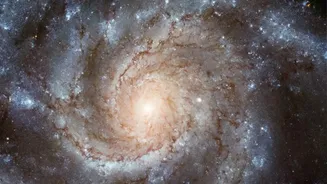
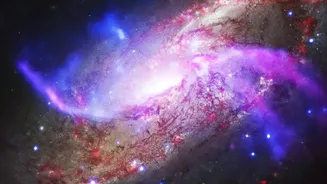
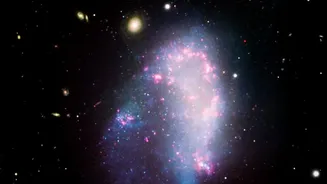
Further analysis of these early systems reveals a chaotic picture. Instead of smooth, orderly disks like our own Milky Way, many of these young galaxies were turbulent and 'clumpy'. By studying the movement of gas within them, researchers have found that they hadn't yet settled down. This observation, made possible by JWST's unprecedented ability to probe galactic dynamics, helps bridge the gap between the universe's earliest moments and the more ordered structures we see today. It suggests that the path from a chaotic clump to a graceful spiral galaxy might be more complex than previously thought. The data doesn't necessarily break the Big Bang theory itself, but it does complicate the story of what happened next.
The Thrill of a Scientific Puzzle
While headlines might talk of 'breaking the universe', the mood among scientists is one of excited uncertainty. This is how science progresses. New, unexpected data forces a re-examination of old theories. Researchers are now exploring several possibilities. Could the early universe have formed stars much more efficiently than we thought? Are there aspects of black hole formation that accelerate galaxy growth? Or could the observations themselves be misleading, perhaps due to superheated dust masking what's really going on? Answering these questions will take time and more detailed observations, including using spectroscopy to more accurately determine the composition and mass of these distant objects. The JWST isn't just providing answers; it's providing better, more profound questions.