




Jamun (Java Plum): The Antioxidant Powerhouse
Often called black plum or java plum, Jamun is a treasure trove of nutrients that ripen during the monsoon. Its deep purple, almost black, skin signifies the presence of anthocyanins, a powerful type of antioxidant. Antioxidants are crucial for immune
health because they help combat oxidative stress—a process that can damage cells, including those in your immune system. By neutralizing harmful free radicals, these compounds help protect your body's defenses. Jamun is also a good source of vitamin C, a well-known immune-booster that stimulates the production of white blood cells. This slightly astringent, sweet-and-sour fruit can be eaten fresh, though you might want to sprinkle it with a pinch of salt to balance its flavors, or find it as a juice or powder in Indian grocery stores.
Lychee: The Sweet Vitamin C Booster
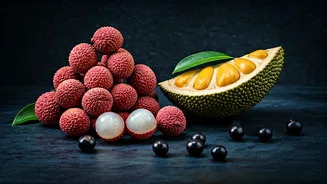
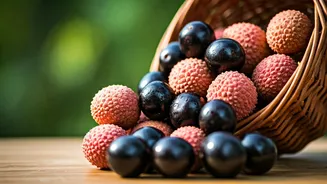
This fragrant, juicy fruit is a summertime favorite that extends into the early monsoon. Beneath its bumpy red peel lies a translucent white flesh that's bursting with flavor—and vitamin C. A single serving of lychees can provide a significant portion of your daily recommended intake of this essential vitamin. Vitamin C is a cornerstone of immune function; it supports various cellular functions of both the innate and adaptive immune systems, ensuring your body is ready to respond to pathogens. Lychees also contain other beneficial compounds, like the flavonoid rutin, which can help strengthen blood vessels. Enjoy them fresh as a sweet treat, add them to fruit salads, or blend them into cooling beverages. Look for them in Asian markets during their peak season.
Pomegranate: The Cellular Protector
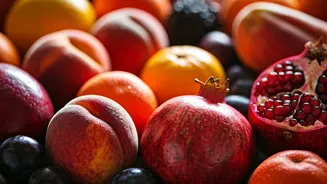
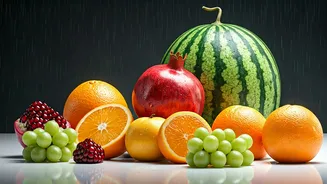
While available for a longer season, pomegranates are traditionally harvested in late summer and early autumn, overlapping with monsoon climates. The jewel-like seeds, or arils, are packed with some of nature's most potent antioxidants, including punicalagins and anthocyanins. These compounds are so powerful that pomegranate juice has been found to have higher antioxidant activity than red wine or green tea. This antioxidant power helps reduce inflammation and protect your cells from damage, creating a better environment for your immune system to operate effectively. Pomegranates also have antimicrobial properties that may help your body fight off harmful bacteria and viruses. Sprinkle the arils over yogurt, salads, or simply eat them by the spoonful.
Peaches: The Skin and Immunity Guard
A familiar favorite in the U.S., peaches are also a celebrated monsoon-season fruit in other parts of the world. Their soft, fuzzy skin and sweet, juicy flesh are rich in vitamin C, another key player in building a strong immune response. But peaches also offer a healthy dose of vitamin A, which plays a critical role in maintaining the health of your skin and mucous membranes. These membranes, found in your respiratory and digestive tracts, are your body's first line of defense against invading pathogens. A strong barrier makes it harder for germs to enter your system. Peaches also contain a good mix of antioxidants to further support your body's overall wellness.
Plums: The Fiber-Rich Defender
Plums and their dried counterparts, prunes, are well-known for their digestive benefits, but their impact on immunity shouldn't be overlooked. A healthy gut is intrinsically linked to a healthy immune system, as a large portion of your immune cells reside in your gut. The soluble fiber in plums acts as a prebiotic, feeding the beneficial bacteria in your gut. A thriving gut microbiome helps regulate your immune response. Furthermore, plums are a good source of vitamin C and contain a variety of antioxidants, especially in their dark-colored skins. Whether you enjoy them fresh and juicy or dried and chewy, plums offer a dual-benefit of supporting both digestive and immune health.